- Award score
- 4.6Rating
- 100,000,000+installs
- Free
App information
Screenshots
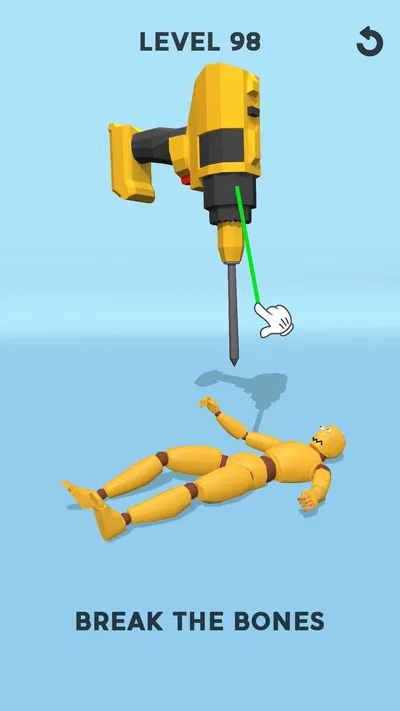
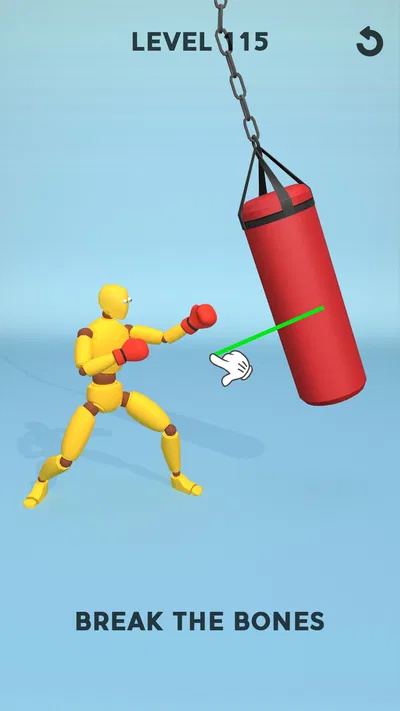
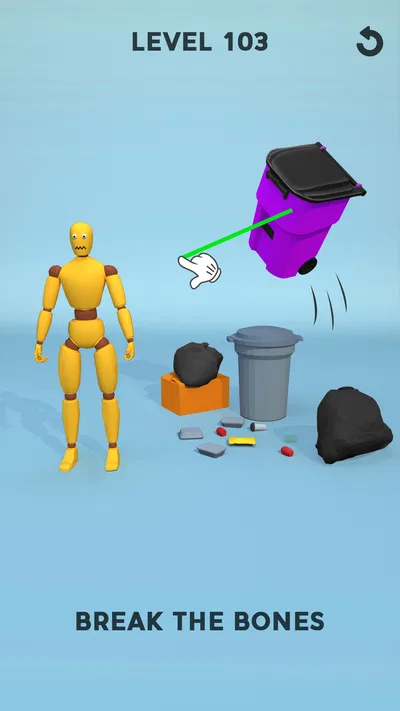
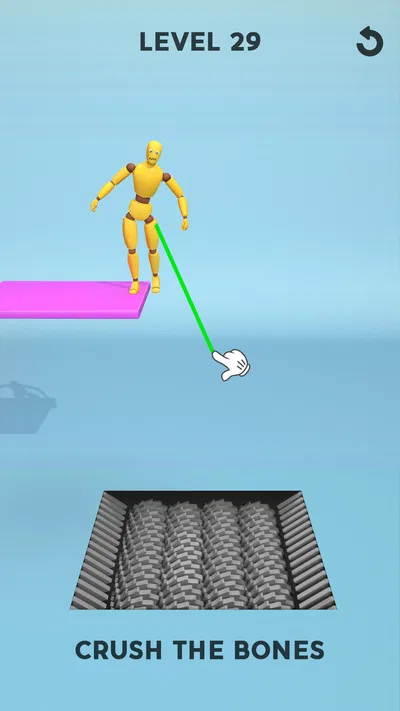
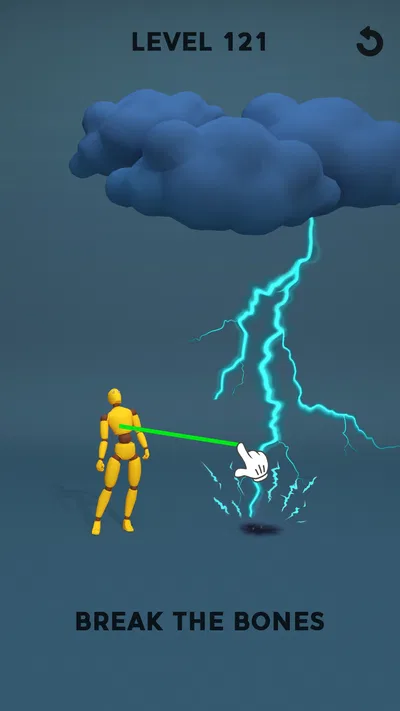
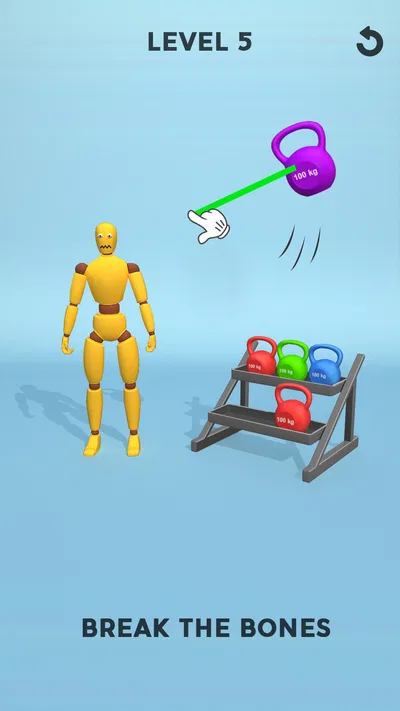
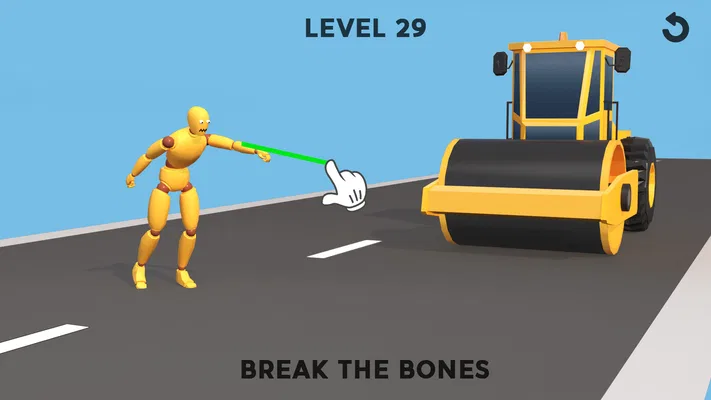
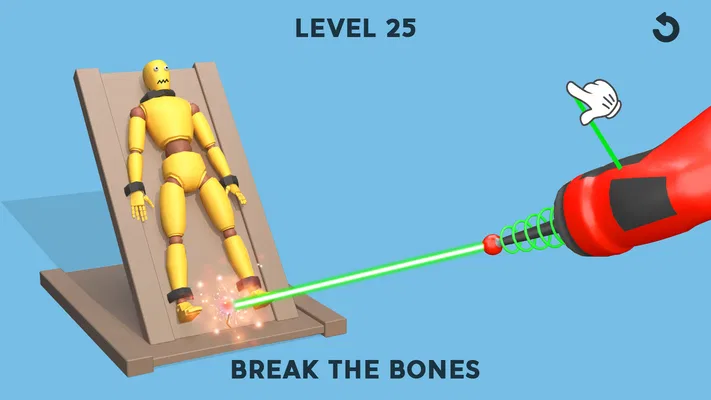
 Analysis byAppsAward
Our review of Kick & Break The Ragdoll Games
When I want a game that asks for quick attention rather than a long commitment, I look for something I can open, try for a few minutes, and put down without losing the thread. Kick & Break The Ragdoll Games is built around that kind of brief, physical play: the focus is a ragdoll, and the appeal is seeing what happens when you kick and break it. I find the premise easy to understand, though its deliberately destructive humor will not suit everyone.
Quick play, with a deliberately narrow goal
This is a free simulation game from Game District LLC, rated Everyone. Its basic idea is much more direct than the word “simulation” might suggest: it is not trying to recreate a realistic job, vehicle, or life. Instead, it turns a ragdoll into the center of a compact activity. That simplicity makes it easy to pick up, but also means the game’s appeal depends heavily on whether you enjoy repeating a clear physical gag.
The store gives it a 4.6 average from around 353,000 ratings, and it has passed 100 million installs. Those figures show that the concept has found a broad audience, but they do not mean it will be a fit for every player. I would treat it as an option for casual amusement, not as a deep simulation with a long-term plan to master.
What the pace is good for
The strongest use case is a short break: you have a few spare minutes, want something more active than scrolling, and do not feel like learning a complicated control scheme or story. A quick session can work between chores or while waiting for someone, because the premise is immediately legible. You can decide whether the ragdoll action is entertaining without first investing in a long tutorial or a substantial narrative setup.
That quick-start quality is also a trade-off. If you are hoping for a game that steadily unfolds through detailed objectives, thoughtful character development, or realistic problem-solving, this is not the direction I would choose. Its central attraction is the physical comedy of the ragdoll premise. Once that specific joke stops landing for you, the simple structure may offer less reason to keep returning than a simulation with broader systems.
For a practical first session, I would play in short bursts and pay attention to whether the basic interaction itself stays satisfying. That is a better test than expecting the game to reveal a deep strategy later. With a focused premise like this, the question is not only whether the first few moments are funny; it is whether you enjoy the repeated act enough to make another quick visit worthwhile.
When a short session becomes heavy use
There is a difference between a brief try and extended play. In a short visit, a straightforward ragdoll game can feel like a low-effort diversion. If you keep going for a longer stretch, however, repetition becomes more noticeable. I would not assume that more time automatically brings more variety or depth; the core idea remains the reason to play, so your tolerance for repeating it matters.
A useful way to avoid disappointment is to set the right expectation before opening it. Think “quick physical-comedy distraction,” not “simulation I will explore for an evening.” If the action is still amusing after a few rounds, continue; if it starts to feel like the same joke, stopping is part of using this kind of game well. There is no need to turn a small time-filler into a commitment.
It may also be a better fit when you want an uncomplicated game to share the room with, rather than something that demands sustained concentration. The premise is easy to explain to another person, and someone can understand the appeal by watching briefly. At the same time, players who dislike slapstick violence or find repeated destruction unpleasant should skip it. The Everyone age rating is useful context, but personal comfort with the theme is still the more important decision.
What reliability can—and cannot—mean here
I judge reliability in a casual game partly by whether it can serve its intended role: a quick diversion, rather than a demanding session that depends on careful progress management. This game’s simple central idea makes it easy to understand what you are opening it for. Still, I would not promise that every session will feel equally smooth on every phone, or that the game will behave identically under every device condition.
If a session is interrupted, I would treat it as a game to return to when convenient, rather than one where a missed stretch ruins a carefully planned run. That is a sensible way to approach a brief ragdoll diversion. If you are in the middle of something important, though, it is still better to wait until you can give the phone your attention; no casual game is worth creating friction with a real-world task.
For troubleshooting, the practical first step is ordinary rather than game-specific: close other demanding apps if the phone is already struggling, reopen the game, and see whether the problem persists. I would avoid drawing a conclusion about the game’s stability from one slow moment on a heavily loaded device. Conversely, if poor performance keeps recurring while other apps run normally, a game that depends on visual movement may simply be less pleasant on that particular setup.
Device fit and sensible expectations
The current version is 11.2.0, and the listed minimum operating system is Android 7.0. That gives Android users a clear baseline to check before installing. Meeting the minimum OS requirement does not guarantee the same responsiveness on every device, because phones differ in age and available resources. If your handset is older or already feels sluggish, I would try the game during a normal, low-load moment rather than while several demanding apps are open.
I would also keep expectations measured around resource use. There is no reason to assume that a game with a straightforward premise must be effortless for every phone, and I cannot turn the app’s category or concept into a reliable battery or memory estimate. If you notice your device warming, draining faster than you like, or slowing down during a session, shorten play and compare how the phone behaves with other apps closed. Your own device’s response is more useful than a blanket claim.
On iOS, check the game’s current app-store page for compatibility before deciding to install. The Android minimum operating system is not a substitute for an iOS requirement, and I would not use it to infer one. In either case, leave enough free space for the app and its normal operation, and keep the operating system in a state your device can comfortably run. These are ordinary precautions, not a promise that they will fix every performance issue.
How it compares with other casual simulations
Many games in the simulation category ask you to build, manage, drive, or care for something over time. This one takes a narrower route: the ragdoll is the focus, and the fun comes from direct physical antics rather than gradual management. That makes it easier to sample than a more involved simulator, but it also gives it less obvious appeal for someone who wants layered goals or a world that develops around their choices.
Compared with a puzzle game, it is a better choice when you want low-pressure action rather than a problem to solve. Compared with an endless runner, it is more about the ragdoll premise than maintaining a rhythm of forward movement. And compared with realistic simulators, it is intentionally playful rather than an attempt to reproduce a real task. These distinctions matter: choosing it because it is a “simulation” alone could lead to the wrong expectation.
My most useful tip is to decide based on the central interaction, not the broad category label. If the idea of a ragdoll being kicked and broken sounds funny to you, the game has a clear reason to try it. If you would rather build a town, tune a vehicle, or make decisions that compound over time, a different simulation is likely to hold your attention longer.
Who I would recommend it to
I would suggest giving it a try if you enjoy exaggerated slapstick, want a simple game for spare moments, and are comfortable with a destructive comedy premise. It can also suit someone who wants to sample a game without first learning a complicated set of rules. Because it is free, the main decision is not a purchase commitment; it is whether the theme and repeated activity feel like a good use of your time.
I would steer away from it if you are looking for a calm, nurturing simulation, a thoughtful challenge, or a long campaign with a strong sense of progression. I would also skip it if cartoon violence is not enjoyable for you, regardless of the Everyone rating. For those players, a building or puzzle-focused casual game would be a more comfortable alternative. That is not a flaw in the ragdoll concept so much as a clear boundary around its audience.
My performance verdict
My overall view is that Kick & Break The Ragdoll Games is best approached as a quick, focused diversion rather than a substantial simulation. The broad audience reflected in its 4.6 average and more than 100 million installs suggests many people are willing to try its premise, but popularity cannot tell you whether its particular humor will click with you. I would use a short first session to make that judgment.
Its version 11.2.0 gives the game an identifiable current release, while the Android 7.0 minimum helps users check basic compatibility. Neither detail can guarantee how it will feel on an individual phone, so I would judge speed and stability during ordinary use, especially if the device is older or busy. If it runs comfortably and the ragdoll antics make you smile, it fills the short-break role well. If you want more depth, gentler humor, or a simulator built around sustained goals, I would choose another game instead.
Pros
- Simple controls make it easy to start playing.
- Short rounds suit quick gaming breaks.
- Ragdoll reactions add comic moments to each match.
- The premise is easy to understand without a tutorial.
- Varied ways to attack can keep stages from feeling identical.
Cons
- Repeated actions may make longer sessions feel monotonous.
- Ragdoll movement can make precise hits unpredictable.
- Some stages may feel too easy for experienced players.
- Ads may interrupt the flow of play.
- Progress can feel limited if you prefer a deeper challenge.
Best Simulation Game 2026
Our verdict
Break the ragdoll and make your mind stress relief.
Frequently Asked Questions
What is Kick & Break The Ragdoll Games?
Kick & Break The Ragdoll Games is a casual physics-based game centered on interacting with a ragdoll character and causing objects to break. The main appeal is experimenting with different actions and watching the character respond to the game’s physics. It is designed for short, simple play sessions rather than a complex story or competitive experience. Exact features can vary by version, so check the store listing before downloading.
How do you play Kick & Break The Ragdoll Games?
Gameplay generally involves tapping or using on-screen controls to kick, hit, or otherwise interact with the ragdoll and the surrounding environment. The fun comes from seeing how each action affects the character and objects, with physics creating varied results. Controls and available items may differ between versions, so look at the current screenshots and description for details. The basic concept is easy to pick up, making it accessible to casual players.
Is Kick & Break The Ragdoll Games suitable for children?
The game uses cartoon-style ragdoll slapstick, but its focus on hitting and breaking may not suit every family. Consider your child’s age and sensitivity to this kind of content, and review the store’s age rating before installing. Also check whether the game includes advertisements, in-app purchases, or other online features, as these can vary by platform and release. Parental supervision is a sensible choice for younger players.
Can you play Kick & Break The Ragdoll Games offline?
Whether the game works without an internet connection depends on its current version and how it handles advertisements, updates, or other online services. Some basic gameplay may be available offline, while certain features could require a connection. If offline play matters to you, check the app-store description and recent user reviews, then test the game after installation. Avoid assuming every mode or reward remains available when disconnected.
Is Kick & Break The Ragdoll Games free to download, and does it include ads or purchases?
The price and monetization can differ between the Android and iOS versions and may change over time. Check the official store page for the download cost and any listed in-app purchases. Free games may display advertisements, including between play sessions, but the frequency and available options can vary. Reviewing the current listing and purchase details before downloading helps you understand possible costs and decide whether the experience suits you.

Download Kick & Break The Ragdoll Games
Similar games
View all 9.0
Annoying Uncle Punch Game®
Simulation
 9.2
Solar Smash
Simulation
 9.4
Melon Sandbox
Simulation
 6.8
Keyboard Escape: +1 Speed ASMR
Simulation