- Award score
- 4.6Rating
- 100,000,000+installs
- Free
App information
- Version
- 2.7.5
- Updated
- Requires
- 7.0
- Price
- Free, in-app purchases
- Developer
- Paradyme Games
- Content rating
- Everyone 10+
Screenshots
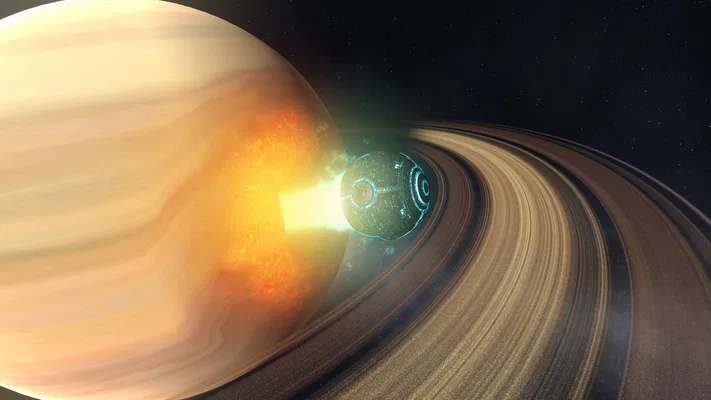
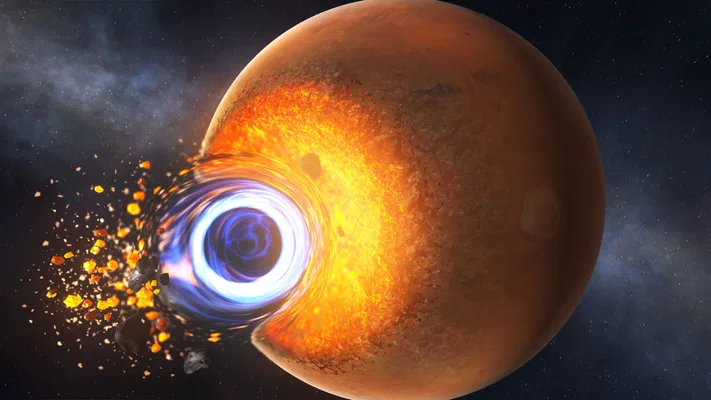
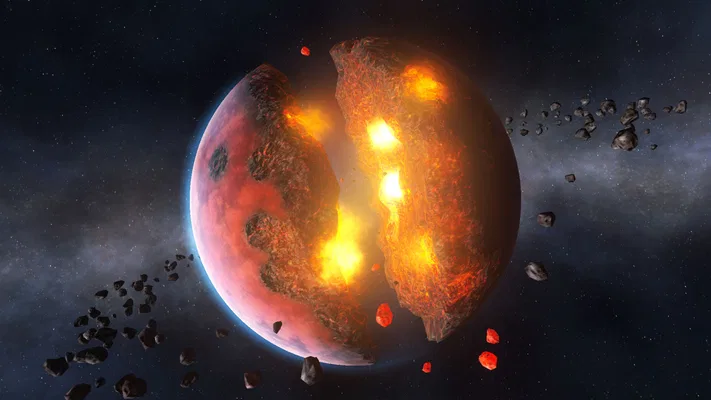
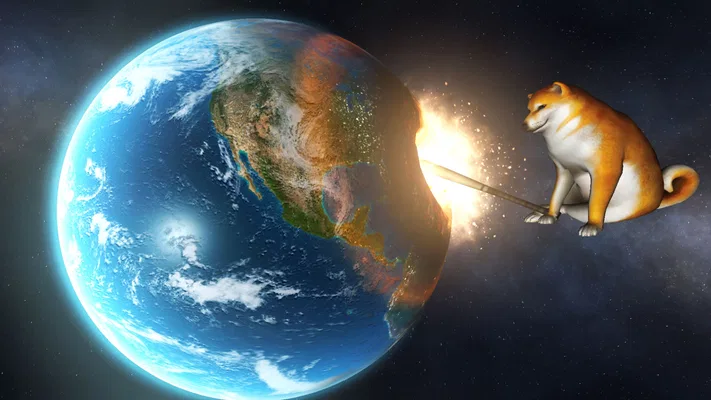
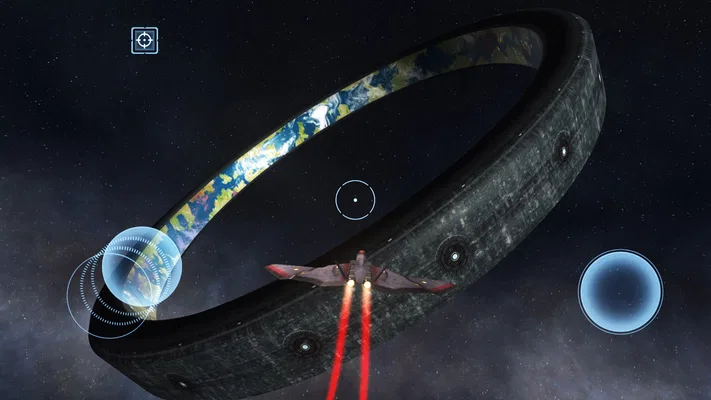
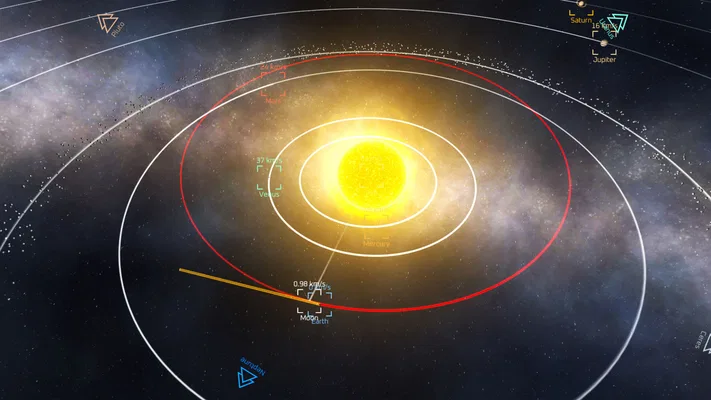
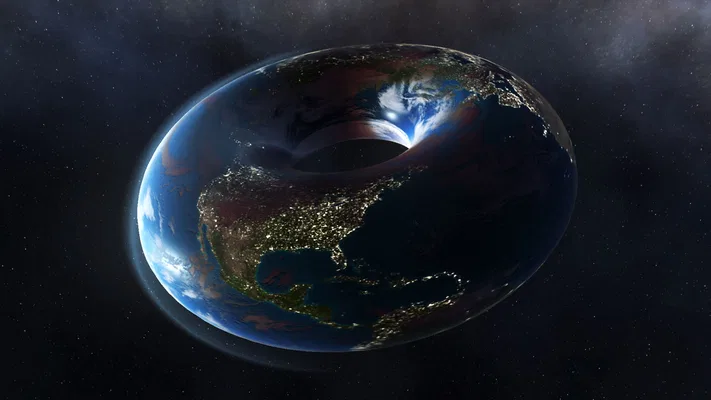
 Analysis byAppsAward
Our review of Solar Smash
I can see the appeal of Solar Smash within a few minutes: choose a world, try an attack, and watch the scene change. The pleasure isn’t in mastering a long campaign but in making a deliberate bit of cosmic destruction and seeing how it plays out. That makes this simulation game an easy choice when I want a brief, hands-on diversion rather than another task to manage.
From choosing a world to making the first move
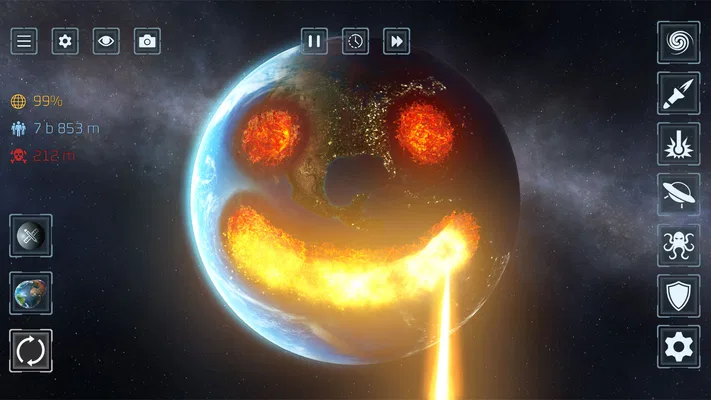
Developed by Paradyme Games, Solar Smash turns planetary destruction into a sandbox activity. Its basic promise is clear: interact with a planet in a space setting and experiment with ways to alter it. The immediate draw is the directness. I don’t need to learn a complicated strategy before doing something; the fun starts with choosing an action and watching the planet respond.
That simplicity is useful on a phone. In a spare moment, I can open the game, make a few choices, and get a complete little experience without having to remember a plot or pick up a difficult challenge where I left off. The game is less about winning than about curiosity: what will this action do, and what will the result look like?
The first practical tip is to treat each attempt as an experiment rather than firing off actions at random. Make one change, pause to inspect the planet, then decide what to try next. That small habit makes the cause and effect easier to follow, and it gives a session more shape than simply tapping repeatedly.
As a simulation game, it sits at the playful end of the genre. I wouldn’t compare it to a detailed space-management sim, where the appeal is balancing systems over time, or to a conventional action game built around opponents and levels. Solar Smash is closer to a digital toy: the interaction itself is the point, and the player supplies much of the direction.
Watching the effects is the real feedback
The core rhythm is action, reaction, and inspection. I try something, watch the planet change, and then decide whether the result is interesting enough to continue. That feedback gives even a short session a satisfying pulse. There’s no need to wait through a long setup to see whether an idea worked.
The most enjoyable way to play, in my experience, is to slow down between actions. If I pile one experiment on top of another, I can lose track of what caused which result. A pause lets me take in the changed scene and choose a follow-up with intention. It also turns the game into a more visual, almost observational activity rather than a rush to make the planet look as altered as possible.
This is where the sandbox format has a trade-off. The game gives me room to explore, but it doesn’t necessarily provide the structured goals that keep every player engaged. If you want a clear mission, a sequence of escalating objectives, or a strong sense of progression, an established level-based game may be a better fit. Here, the reward often comes from the experiment itself.
That makes it especially suited to quick breaks. I can open it while waiting for a friend or winding down after a busy day, try a couple of different approaches, and stop when I’ve seen enough. It doesn’t demand a long commitment, though players who prefer a clear endpoint may find that open-endedness less compelling.
What counts as a reward here?
Solar Smash doesn’t need a traditional prize to make an attempt feel worthwhile. The reward is seeing a planet visibly respond to what I did, then getting the chance to make a different choice. If I’m in the mood to experiment, the payoff is the contrast between one result and the next, rather than a score or a story milestone.
A useful way to get more out of it is to give yourself a small theme for a session. I might try to create a particular visual impression, or explore how different actions change the same starting scene. This isn’t a built-in challenge I’m claiming the game provides; it’s a simple player-made constraint. It helps focus the sandbox and makes a return visit feel less like repeating the same taps.
Another practical approach is to stop after an especially satisfying result instead of trying to top it immediately. Because the game is built around experimentation, there can be a temptation to keep adding actions until the visual outcome becomes less readable. Ending on a result I like leaves a clearer memory and gives me a reason to return with another idea.
The broader audience seems to agree that the concept has lasting reach: the game has an average rating of 4.6 from around 1.7 million ratings, and it has passed 100 million installs. Those figures suggest a widely enjoyed premise, but they don’t mean every player will enjoy its loose structure. I’d take them as a sign that the quick, visual loop works for many people, not as a guarantee that it replaces more goal-driven games.
Resetting is part of the loop
In a sandbox, a reset isn’t a failure. It’s a way to begin another experiment without treating the previous one as a permanent commitment. The appeal here is that I can move from one idea to another: make a change, inspect it, and then start fresh when I want a clean comparison. That cycle is what makes a second session easy to imagine.
For a realistic everyday use case, picture having a few minutes before an appointment. A long campaign game might leave me reluctant to start because I could be interrupted. With Solar Smash, I can make a small experiment, enjoy the immediate visual response, and put the phone away when it’s time to go. It works best when I want something active but low-pressure.
The reset loop can also reveal the game’s main limitation. Without a personal goal, repeated sessions may start to feel alike. If I’m looking for deeper simulation, a sustained build, or a narrative that carries me from one play session to another, I’d choose a different game. Solar Smash is strongest when I arrive with curiosity and weakest when I expect it to invent a long-term purpose for me.
That distinction helps set expectations. I see it as a pocket sandbox for visual cause and effect, not a comprehensive model of planetary science. Its appeal comes from experimentation and spectacle, not from asking me to manage a realistic universe. If that sounds like the kind of play you want, the simplicity is an advantage; if you want scientific depth, it may feel light.
Practical details before you install
The game is free to download, with in-app purchases ranging from $1.99 to $14.99 per item. That makes it easy to try the basic idea without paying upfront, while the purchase range is worth keeping in mind if you prefer to avoid optional spending. I’d start with the free experience and decide whether the core loop holds my attention before considering anything extra.
It is rated Everyone 10+, so it’s intended for players aged ten and up. That age guidance matters for families deciding whether its destructive theme is suitable. The game has been available since January 19, 2020, and version 2.7.5 requires Android 7.0 or later. On iOS, I’d check the app store’s compatibility details for the device before installing.
It’s also worth thinking about what kind of player you are. If you enjoy poking at a system, comparing outcomes, and making your own mini-challenges, the open-ended format gives you room to play your way. If you need clear instructions, regular objectives, or a strong reward structure to stay motivated, a mission-driven simulation or action game is likely to hold your attention better.
My verdict on the repeat-play loop
I’d recommend Solar Smash to a friend who wants a visually immediate sandbox and doesn’t need a campaign to justify opening a game. Its strongest quality is the short loop: choose an action, watch the planet respond, decide whether to build on that result or begin again. That simple pattern makes it easy to enjoy in small bursts and easy to return to with a fresh idea.
My reservation is the same quality that makes it accessible: the player has to bring much of the purpose. Without a self-set experiment, sessions can blur together, and anyone seeking long-form progression should look elsewhere. For me, the right approach is to play deliberately, pause to notice the effects, and stop when the experiment has delivered its payoff. Under those expectations, Solar Smash is a satisfying little space sandbox rather than a game that asks for hours of commitment.
Pros
- Planet destruction effects are detailed and visually satisfying.
- Several celestial bodies offer variety beyond Earth.
- Sandbox controls let you experiment without strict objectives.
- Weapons range from missiles to lasers and unusual hazards.
- Offline play makes it accessible without a connection.
Cons
- Frequent effects may strain older phones.
- The sandbox offers little structured progression.
- Repeated destruction can become predictable over time.
- Some weapons require experimentation to understand.
- Ads or optional purchases may interrupt the experience.
Best Simulation Game 2026
Our verdict
Unleash epic planet destruction and explore a space sandbox playground!
Frequently Asked Questions
What is Solar Smash, and what do you do in the game?
Solar Smash is a space-themed simulation game built around experimenting with ways to destroy planets and other celestial objects. You choose a target, select from an assortment of weapons and effects, and observe how each attack changes its appearance. It is a sandbox experience rather than a story-driven campaign, so much of the appeal comes from trying different combinations and discovering the visual results.
Is Solar Smash free to download and play?
Solar Smash is generally available as a free-to-play mobile game, but the exact pricing, advertisements, and optional purchases can vary by platform, region, and version. Check the Google Play Store or Apple App Store listing before downloading for current details. If the game offers purchases or displays ads, review those options carefully, particularly if children will be using the device.
Does Solar Smash need an internet connection?
The core planet-destruction sandbox is generally designed for individual play and may be available without a continuous internet connection. However, some features, advertisements, updates, or store-related functions may require connectivity, and availability can differ between versions. If you plan to play offline, install and open the game while connected first, then test its main modes before relying on it without internet access.
Is Solar Smash suitable for children?
Solar Smash presents fictional planetary destruction using exaggerated science-fiction weapons and visual effects. It does not center on realistic human characters or a conventional combat story, but its central activity is still the destruction of planets. Parents should consider whether that theme is appropriate for the child and check the current age rating, privacy information, and in-app purchase settings shown on the relevant app-store page.
Will Solar Smash run on my phone, and how much storage does it need?
Compatibility and storage requirements depend on your device, operating system, and the current game version. Its detailed 3D effects may run less smoothly on older or lower-powered phones, especially during visually busy scenes. Before downloading, check the app-store listing for supported operating-system versions and available space. Keeping extra storage free can also help accommodate updates and temporary files.

Download Solar Smash
Similar games
View all 9.3
Kick & Break The Ragdoll Games
Simulation
 9.0
Annoying Uncle Punch Game®
Simulation
 9.4
Melon Sandbox
Simulation
 6.8
Keyboard Escape: +1 Speed ASMR
Simulation