
- Award score
- 4.4Rating
- 10,000,000+installs
- Free
App information
- Version
- 1.0.106
- Updated
- Requires
- 7.0
- Price
- Free, in-app purchases
- Developer
- 37GAMES GLOBAL
- Content rating
- Teen
Screenshots
 Analysis byAppsAward
Our review of Last Asylum: Plague
I judge a strategy game partly by how much effort it asks of me before I can make a meaningful decision. Last Asylum: Plague frames its premise around a sanctuary and the people relying on it, giving its strategy setting an immediate human stakes. That focus makes it easier to imagine why I should care about what happens next, even before I know whether the game’s pace and presentation will suit me.
It is a free strategy game from 37GAMES GLOBAL, with a Teen content rating. Its appeal is clearest if you enjoy thinking through priorities rather than simply reacting to a stream of action. I would approach it as a game to try in manageable sessions, paying attention early on to how clearly its screens communicate what needs attention and whether its decisions remain comfortable to make on your device.
How the screens guide your decisions
Strategy games can become tiring when they bury important choices beneath dense menus or rely on small, similar-looking interface elements. Here, the sanctuary-and-doctor premise gives the game a useful conceptual anchor: I can interpret decisions through the needs of a place trying to endure a crisis, rather than treating every task as an abstract number to raise. That theme helps with orientation, although a strong premise cannot by itself make a busy interface easy to read.
As I play, I would make a habit of pausing at each new screen long enough to identify its main action before tapping. That simple routine is especially useful in a management-focused game, where a rushed tap can take me into a subtask before I understand its purpose. It also gives me a practical way to decide whether the presentation works for my eyesight and reading speed: if I need to repeatedly guess what a label or icon means, the game may demand more visual attention than I want to give it.
The most helpful strategy-game interfaces let players distinguish urgent needs from optional improvements. I would look for that distinction as I learn Last Asylum’s flow, rather than trying to optimize everything at once. Prioritizing one clear objective at a time can reduce the mental load of a new game and reveal whether its systems feel coherent. If the game presents several demands together, I would note which can wait and return to the others after understanding the immediate task.
That approach is more than a beginner tip. It is also a way to make play easier for someone who benefits from a slower, less cluttered decision process. I would avoid treating every notification or available action as equally important; instead, I would check what directly supports the sanctuary’s immediate needs and leave secondary decisions until I have more context. This keeps the experience from turning into a frantic checklist, though it depends on the game making priorities understandable.
Reading comfortably and navigating at your own pace
For players with low vision, reading fatigue, or difficulty distinguishing visual details, the key question is whether essential information stays legible during ordinary play. I would test the game in the lighting and screen distance I normally use, not just in a bright room with the phone held close. If I have to squint or lean in to follow a decision, that is a meaningful limitation for a game I expect to revisit regularly.
I also recommend resisting the urge to tap through introductory explanations just to reach the active game. In a strategy title, early instructions can explain the logic behind a choice, and missing that context may make later screens feel more confusing. A slower first session can save time later: read each explanation once, try the action it describes, and then see whether the game makes the result clear. That is a useful way to separate a genuinely complicated system from one that only feels unfamiliar at first.
Someone who prefers large text, strong contrast, or screen-reader support should check the game directly on their device before committing to a long session. I would not assume that a strategy interface automatically provides the display options a particular player needs. If the text and controls do not remain comfortable after a brief trial, that is a good reason to stop rather than hoping familiarity will solve a basic readability problem.
Touch, sound, and different ways of playing
Touch-based strategy can be less demanding than a game built around rapid aiming, but it still asks for accurate taps and sustained attention. If I am playing one-handed, holding the phone on a crowded commute, or dealing with hand discomfort, I would keep sessions short and avoid making important decisions while distracted. A sanctuary-management premise invites considered choices; it is better suited to a moment when I can look at the screen than to play that requires constant attention while walking or multitasking.
Players with limited dexterity may want to test how forgiving the controls feel before getting invested. I would check whether I can reliably select the intended option and move through the game without repeated accidental taps. A good practical test is to play through a short stretch while holding the phone in the way I normally do. If I have to change grip constantly or use more precision than feels comfortable, the game may not be a good fit even if its strategic ideas appeal to me.
Sensory comfort is personal, so I would also pay attention to the combined effect of movement, visual effects, and sound during a real session. If the presentation feels busy or audio cues become distracting, taking a break or adjusting the device’s sound settings may help. Those device-level steps are not a substitute for in-game options, and I would not assume that every sensory preference can be accommodated. The sensible test is whether I can follow the game without feeling overwhelmed.
One useful way to lower pressure is to treat the first session as an orientation visit rather than a performance test. I would learn the basic rhythm, identify the most important screen elements, and stop before fatigue makes every choice feel harder. That gives players with variable energy or concentration a fairer read on whether the game suits them. It also helps anyone decide whether they want a careful planning game or a faster, more immediately readable alternative.
When and where it fits into everyday life
This is a better candidate for a quiet break than for a few taps between tasks that require instant attention. Imagine having a short pause at home: I can open the game, review the sanctuary’s current needs, make one considered choice, and leave the next decision for later. That kind of use is appealing if the game lets me regain context easily. If I find that I must remember several unresolved tasks after every interruption, I would reserve it for longer, less interrupted sessions.
On a noisy bus or in a waiting room, the phone itself may be the limiting factor. Glare, a small display, unstable one-handed use, or surrounding distractions can make even a thoughtful strategy game hard to follow. I would not plan to learn unfamiliar systems in those conditions. Instead, I would use a calmer setting for the early sessions, then see whether routine play remains manageable when I have less time or attention.
For a player who needs frequent breaks, a deliberate stopping point matters. Before closing the game, I would check that I have finished the decision I was making and can remember what I intended to do next. If the game’s flow makes it hard to pause cleanly, that can turn a casual check-in into a longer commitment than planned. My advice is to decide on a time limit before opening it, especially if you are trying to fit play around work, study, or caregiving.
The game is free to start, while in-app purchases range from ninety-nine cents to ninety-nine dollars and ninety-nine cents per item. I would set a spending boundary before playing if optional purchases are not part of my budget, and I would make sure any purchase is intentional rather than a response to impatience. Players who want a strategy game with no purchase decisions at all may prefer a paid game with a clearer one-time cost, if that suits their preferences and platform.
Where the fit can break down
My main caution is that the game’s theme may draw in players who expect a story-led experience, while the strategy category points toward planning as a central part of play. If you mainly want a linear narrative or a hands-off experience, this may not be the right choice. Likewise, someone who dislikes checking systems and weighing competing priorities may find the core appeal less engaging than a puzzle game with shorter, self-contained rounds.
There is also a real difference between a game being accessible in principle and being comfortable for a particular person. If readable text, simple navigation, reduced sensory stimulation, or generous touch targets are essential for you, verify those needs through a short personal trial. I would not recommend spending money or building a routine around the game before confirming that its presentation works for your body and device.
The game is listed at version 1.0.106 and requires Android 7.0 or later. Its audience response is substantial: it has a 4.4 average from around 373,000 ratings, with more than 10 million installs. Those figures suggest broad interest, but they cannot tell me whether the controls, visual presentation, or decision pace will feel right for an individual player. I would treat them as context, not as a substitute for trying it myself.
Compared with the usual alternatives in strategy, Last Asylum is most interesting for someone drawn to a crisis-centered sanctuary premise and willing to spend attention on deliberate choices. A fast competitive strategy game is a better match if you want immediate pressure and direct contests; a turn-based puzzle may suit you better if you need clear, bounded tasks without a continuing management focus. I would choose this one when I want a more thematic planning experience, not simply because I am in the mood for any strategy game.
Who I would recommend it to
I would suggest giving Last Asylum: Plague a try if you enjoy strategy, like the idea of making decisions around a vulnerable sanctuary, and are comfortable learning a game’s interface at a measured pace. The free entry point makes a short trial reasonable, and the Teen rating helps families judge whether it is appropriate for the player in question. The developer is 37GAMES GLOBAL, and the game’s framing gives it a more specific identity than a strategy title built around abstract competition alone.
I would advise skipping it if you need a reliably readable interface without first testing it, find touch-heavy screens uncomfortable, or want something that works well while your attention is divided. It may also disappoint players who want a purely narrative game or who do not enjoy weighing priorities. Those are not small preferences: they shape whether the central experience feels engaging or like work.
My inclusive verdict is cautiously positive. The sanctuary theme gives the strategy a human point of reference, and the game may suit players who prefer to think before acting. The best way to judge its fit is to try a brief session in your usual environment, check that you can read and select what matters comfortably, and stop if the interface creates strain. If those basics work for you, it is a worthwhile free option to explore; if they do not, a simpler or more explicitly accessibility-focused alternative will be the kinder choice.
Pros
- Base building gives long-term goals beyond battles.
- Hero abilities add tactical choices to combat.
- Resource gathering rewards regular play.
- The plague setting creates a distinctive atmosphere.
- Multiple systems offer plenty to explore.
Cons
- Progress can slow when building materials run low.
- Timed upgrades may encourage frequent check-ins.
- Combat may feel repetitive over long sessions.
- New players face several systems to learn.
- Events and rewards can require sustained play.
Best Strategy Game 2026
Our verdict
One sanctuary. One doctor. One last chance.
Frequently Asked Questions
What kind of game is Last Asylum: Plague?
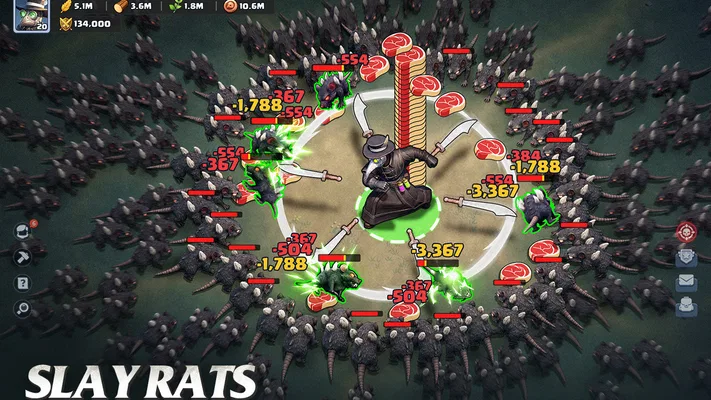
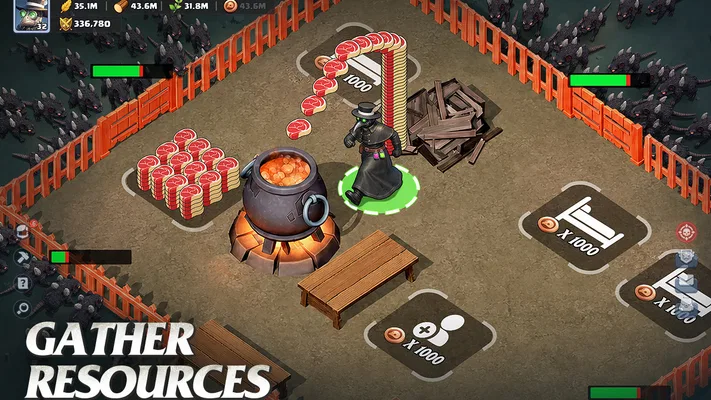
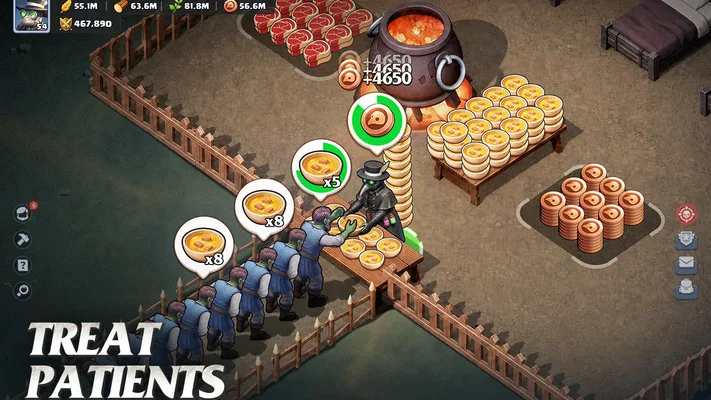
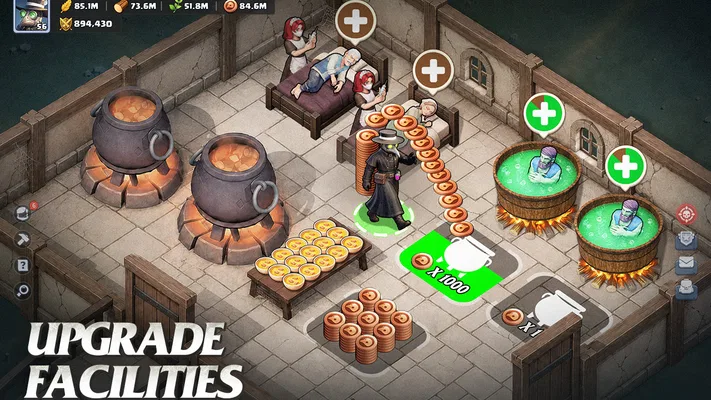
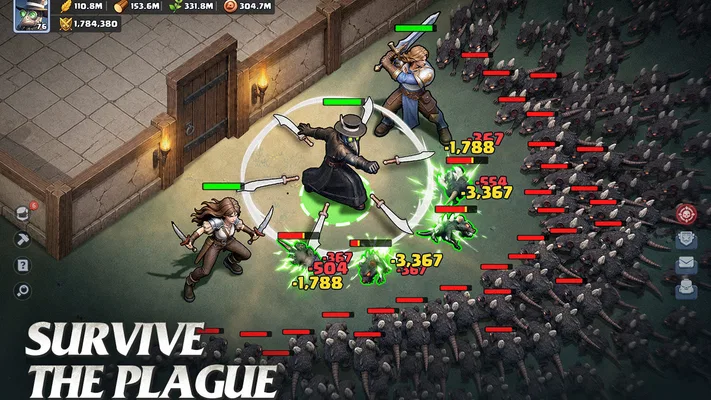
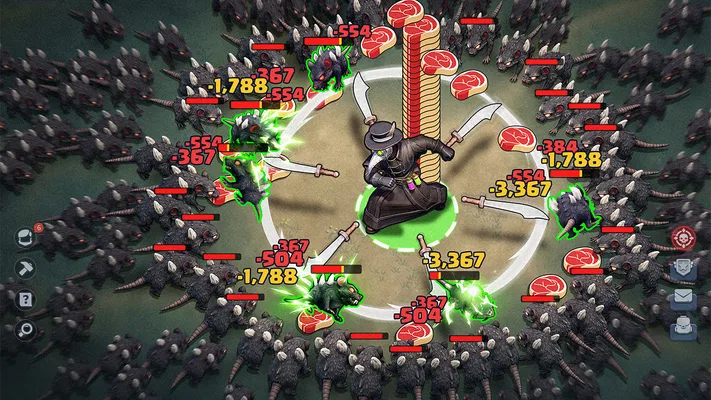
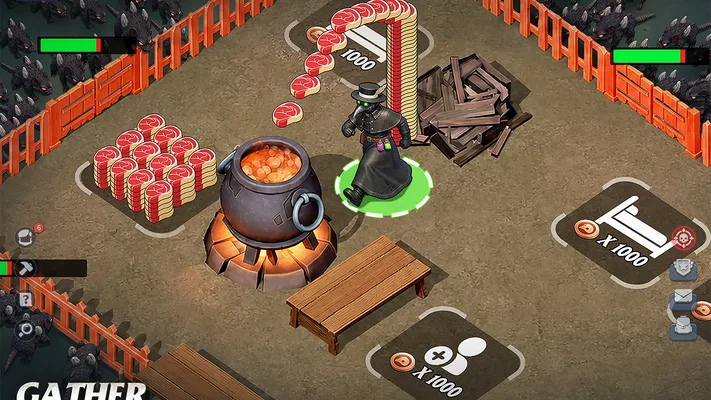
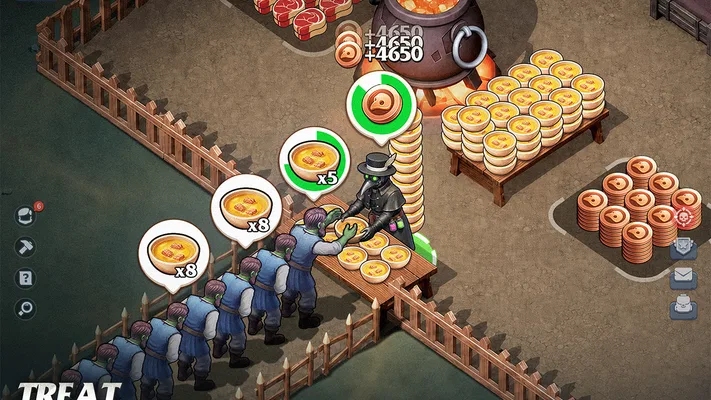
Last Asylum: Plague is a strategy and survival game set in a world devastated by disease and danger. You build and manage a refuge, gather supplies, develop facilities, and make decisions to help your community endure. It combines base management with exploration and combat, so expect to balance the settlement’s needs with the risks of venturing into hostile areas. Exact features can vary by version and platform.
Can I play Last Asylum: Plague offline?
Do not assume that the game works fully offline. Games with settlement management, events, accounts, or multiplayer features may need an internet connection for some or all activities, and requirements can change with updates. Check the store listing and the game’s current settings before downloading, especially if you plan to play while traveling. If offline access matters to you, verify which modes remain available without a connection.
Is Last Asylum: Plague free to download, and does it include in-app purchases?
The app’s price and purchase options depend on the platform, region, and current store listing. If it is offered as a free download, that does not necessarily mean every item or progression option is free: games in this genre may offer optional purchases, such as resources or time-saving items. Review the listing for in-app purchase details and use device-level purchase controls if children may access the game.
Does Last Asylum: Plague support multiplayer or require an account?
Social and online features can differ between versions and may be adjusted through updates, so check the current store description for details about alliances, cooperative play, competition, or account requirements. If online features are available, they may require a stable connection and could involve interaction with other players. Consider the game’s privacy information and permissions before signing in, and avoid sharing personal information through in-game chats.
What should I check before installing Last Asylum: Plague on my phone?
Before installing, confirm that your Android or iOS version meets the requirements shown on the official store page and that your device has enough free storage for the download and any additional game data. Strategy games with detailed environments can use significant battery power and may perform differently across devices. Also check the age guidance, privacy disclosures, connection requirements, and recent user feedback for compatibility issues relevant to your model.

Download Last Asylum: Plague
Similar games
View all 8.1
Whiteout Survival
Strategy
 8.7
Kingshot
Strategy
 9.8
Warline: Sniper Strike
Strategy
 8.6
Auto Drill: Galaxy
Strategy