- Award score
- 4.8Rating
- 100,000,000+installs
- Free
App information
- Version
- 3.1.2
- Updated
- Requires
- 7.1
- Price
- Free, in-app purchases
- Developer
- Nebula Studio
- Content rating
- Everyone
Screenshots
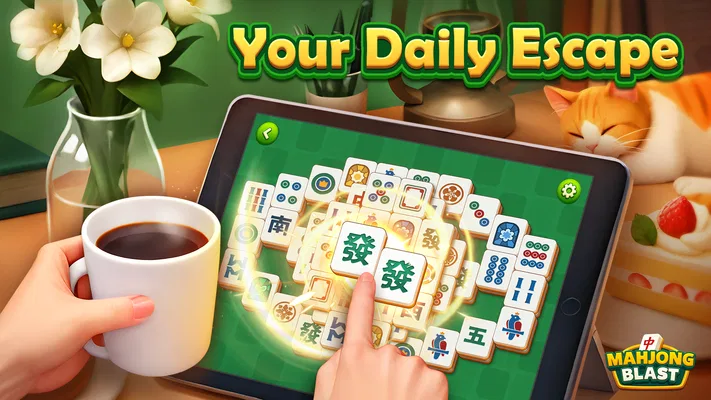
 Analysis byAppsAward
Our review of Mahjong Blast
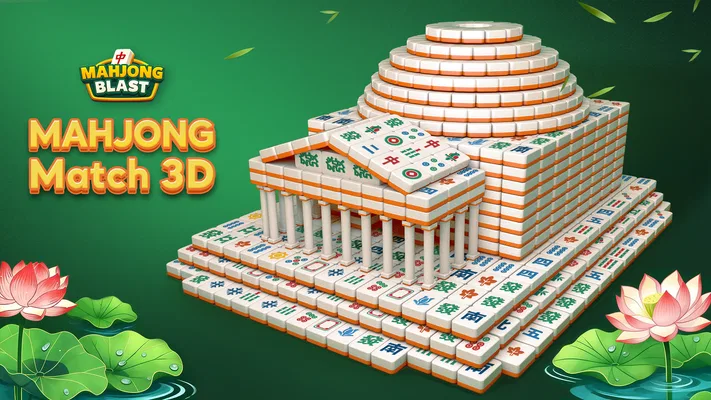
I like a board game that lets me settle into a quiet puzzle without demanding a long session, and Mahjong Blast is aimed squarely at that kind of play. It is a free mahjong solitaire game from Nebula Studio, built around matching tiles and clearing a board. The basic idea is familiar, but how comfortable it feels depends on details such as tile legibility, tapping accuracy, and whether a puzzle suits the moment you have available.
Reading the board and finding your way around
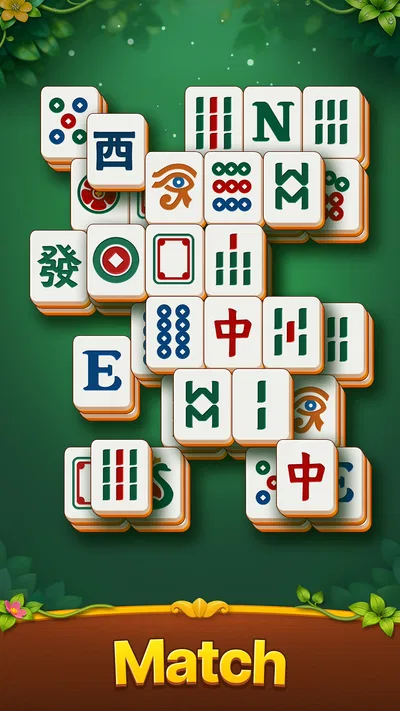
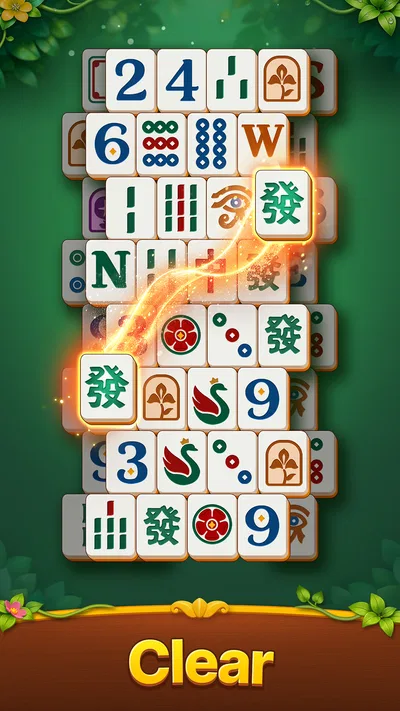
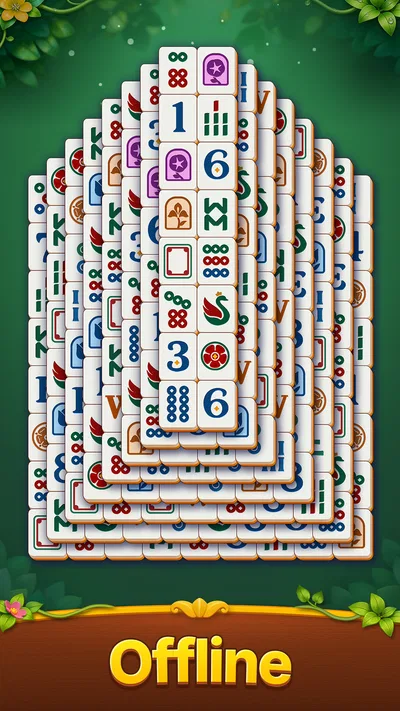
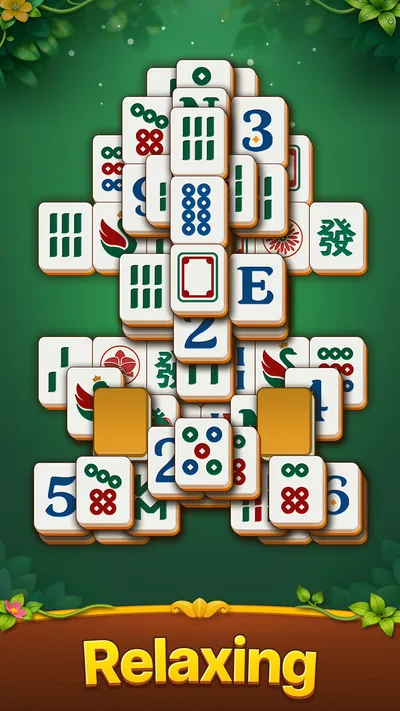
Mahjong solitaire is easy to understand at a glance: find two matching, available tiles and remove them, then keep opening up the layout. In practice, the challenge is not just spotting a pair. You need to notice which tiles are blocked, avoid removing a match that will make the remaining board harder, and keep track of what has become accessible. I find that this blend of visual search and planning makes the game more engaging than a simple matching exercise.
The game’s short description is “Mahjong Blast,” and its store summary presents it as a way to relax with tile puzzles. That gives a fair sense of its central appeal, but it is worth setting expectations: this is a focused solitaire-style board game, not a full traditional mahjong experience with opponents, betting, or table play. If you want a calm puzzle you can pick up on your own, that distinction is a plus. If you are looking for competitive multiplayer or a lesson in the broader family of mahjong games, you will want a different option.
Readable tiles matter more here than decorative polish. A board can look attractive and still be frustrating if similar symbols are hard to distinguish on a small screen. I recommend trying a puzzle in the lighting and display conditions where you expect to play, rather than judging it only in a bright room. If you find yourself leaning closer to identify pieces, that is a practical sign the visual presentation may not suit your eyes or device comfortably.
Navigation also affects whether a casual game feels genuinely relaxing. A useful routine is to pause for a moment before each move and scan the exposed edges and stacked layers, rather than tapping the first matching pair you notice. This reduces impulsive dead ends and makes the board easier to read as it changes. It is a simple strategy, but it turns the game from hurried tile hunting into a more deliberate puzzle.
Who will enjoy this style of puzzle
I would recommend it most to people who already like solitary board puzzles and want something they can play without coordinating with anyone else. The rules are approachable, while the layouts still ask for attention. Someone new to mahjong solitaire can begin by looking for obvious pairs and gradually learn to consider which removals reveal the most useful tiles.
The game has an average rating of 4.8 from around 2.6 million ratings, with roughly 21,000 written reviews, and it has passed over 100 million installs. Those figures suggest that the straightforward format has broad appeal, though popularity cannot tell you whether the tiles will be comfortable for you personally. I would treat them as evidence that this is a well-established casual choice, not as a substitute for checking the actual board on your own screen.
Comfort, movement, and sensory demands
Because play revolves around selecting matching tiles, the main physical demand is repeated touch input. That can be convenient for a quick session, but it also means the game is less suitable if precise tapping is difficult or if repeated screen contact is uncomfortable. When playing, I would favor a stable grip and deliberate taps over trying to clear the board quickly. Rushing adds little to a game whose appeal is thoughtful pacing.
One practical tip is to scan first and tap second. Choose a pair, confirm that both tiles are available, and then make the move. This is especially helpful if your fingers partly cover the symbols or if you have limited dexterity: a slower sequence can reduce mistaken selections. It will not remove every motor barrier, and I would not assume that every board can be operated equally easily by every player, but it makes the interaction less hurried.
Visual attention is another consideration. The board asks you to compare repeated symbols and notice what is covered or exposed, so play may become tiring if you are sensitive to busy screens or have difficulty distinguishing small details. Taking a break between puzzles is a sensible way to avoid turning a relaxing pastime into sustained eye strain. If a game’s sound or animation tends to distract you, check the controls available on your device and in the game before settling in; I would not count on a particular sensory setting without seeing it firsthand.
For people who prefer less visual complexity, a paper tile puzzle or a large-print board may be a better fit. Those alternatives can offer more control over viewing distance and physical layout. On the other hand, a phone version is easier to keep nearby and avoids setting up a table, which is why this format works well for brief, private play. The trade-off is convenience in exchange for a screen-based board and touch interaction.
Making it work in everyday moments
A realistic use case is a short break while waiting for an appointment. I would start a puzzle only if I had enough time to focus rather than trying to play while listening for a name or watching for a bus. Mahjong solitaire is pause-friendly in spirit because it does not require another person to keep pace, but dividing attention can still lead to missed tiles or accidental taps. It works best as a small pocket of attention, not as background activity during a task that needs you.
At home, the same game can be a pleasant wind-down after work: sit somewhere with steady light, hold the phone comfortably, and approach each board without trying to finish as fast as possible. That setting also makes it easier to notice whether the visual symbols remain clear for a longer session. If you play before bed, consider your own screen habits; a digital puzzle may feel calmer than a competitive game, but the display itself may not be what you want at that time.
There is also a useful distinction between playing to relax and playing to sharpen concentration. The matching loop gives you a reason to plan and observe, but I would not treat it as a guaranteed cognitive workout or a replacement for a broader activity. If you want a low-pressure mental diversion, it fits. If you want structured training, lessons, or measurable progress, choose a game designed specifically around those goals.
Mahjong Blast is free to download, with in-app purchases ranging from $1.49 to $12.99 per item. That makes it easy to try the core experience without an upfront purchase, while purchases are a consideration for anyone who prefers to avoid optional spending. I suggest deciding in advance whether you want to make any in-game purchases and checking the payment controls on your device if you share it with a child. The age rating is Everyone, but that does not remove the need for a family to decide what spending rules make sense.
Where the fit can break down
The biggest limitation is the narrowness of the format. If you tire of looking for pairs, want a social table, or prefer games with changing objectives and active movement, the repeated board-clearing loop may feel too similar from one session to the next. A traditional mahjong game is a better choice for learning the multiplayer rules, while a word or number puzzle may be a better alternative if you want variety in the kind of thinking involved.
Another possible friction point is screen size. A tablet can make tile inspection more comfortable for some players, while a compact phone is more convenient to carry but may make symbols harder to see or select. Neither device is automatically best: hand comfort, eyesight, and how you hold the screen matter. I would test a brief session on the device you actually plan to use before relying on it for longer play.
The game was released on June 23, 2025, and its current version is 3.1.2. It supports Android 7.1 and later, so people using older Android devices should check their system version before deciding to install. The developer is Nebula Studio. These details are useful when assessing basic compatibility, but day-to-day comfort still comes down to your display, touch control, and personal tolerance for visual puzzle play.
For parents or anyone sharing a device, the free entry point is convenient, but the listed in-app purchase range is worth discussing before play. A child may understand the tile game while not fully understanding that optional purchases involve money. Setting device-level purchase safeguards is a practical precaution, especially on a shared phone or tablet. This is not a criticism of the puzzle itself; it is simply part of choosing a mobile game for a household.
My inclusive verdict
I see Mahjong Blast as an approachable choice for people who enjoy visual matching, can comfortably use a touch screen, and want a solo board puzzle that fits into a quiet break. Its broad reach and strong average rating make it an easy title to consider, but neither popularity nor a casual premise guarantees that its board will be readable or its tapping comfortable for every player. Those are the first things I would assess for myself.
The best reason to try it is the combination of simple rules and room to think before each move. My advice is to play in good light, use a steady grip, and avoid starting a puzzle when your attention is needed elsewhere. If matching small visual symbols is tiring, precise tapping is a barrier, or you want social mahjong rather than solitaire, another format will serve you better. For a low-pressure solo puzzle, though, it is a sensible free starting point, provided you keep its screen-based demands and optional purchases in mind.
Pros
- Quick rounds make it easy to play during short breaks.
- Simple controls are accessible to new mahjong players.
- Tile-matching puzzles provide a relaxing change of pace.
- Gradually tougher levels offer a steady challenge.
- The familiar tile format is easy to understand.
Cons
- Some layouts can feel repetitive after extended play.
- A timer may add pressure for players seeking a calm pace.
- Later puzzles can require several attempts to solve.
- Small tiles may be harder to distinguish on compact screens.
- Progress may depend on completing levels in sequence.
Best Board Game 2026
Our verdict
Relax with mahjong solitaire puzzle games! Match tiles to keep your mind sharp.
Frequently Asked Questions
What kind of game is Mahjong Blast?
Mahjong Blast is a tile-matching puzzle game built around the familiar mahjong solitaire format. You clear a board by selecting matching tiles that are not blocked by other tiles, with the goal of removing them all. Its straightforward rules make it approachable for newcomers, while changing layouts and increasingly demanding puzzles can keep experienced players engaged.
Is Mahjong Blast free to play?
Mahjong Blast can generally be downloaded and played without an upfront purchase, though availability and pricing may differ by platform or region. Like many free mobile games, it may include advertisements, optional in-app purchases, or both. Check the app-store listing before downloading for current pricing and purchase details, and review your device’s purchase settings if you want to prevent accidental spending.
Can I play Mahjong Blast without an internet connection?
Some puzzle games allow previously loaded levels to be played offline, but features such as ads, cloud saves, events, or progress synchronization may require an internet connection. Offline access can also vary between versions of Mahjong Blast. If playing without data is important to you, test the game in airplane mode after installation and check its store listing for the developer’s latest connectivity information.
Is Mahjong Blast suitable for beginners?
Mahjong Blast is generally easy to learn because its core task is matching available pairs of tiles, and players do not need prior knowledge of traditional four-player mahjong. Early puzzles can help you understand which tiles are selectable and how removing a pair affects the board. Later layouts may require more planning, so beginners can start at a comfortable pace and improve through practice.
Does Mahjong Blast save progress, and what should I check before installing it?
Progress-saving options can depend on the game version and whether it supports account or cloud synchronization. Before installing, check the current store listing for device compatibility, required permissions, recent updates, privacy details, and any in-app purchases. If you plan to change devices or reinstall the game, look for a sign-in or cloud-save option rather than assuming progress will transfer automatically.