- Award score
- 4.7Rating
- 5,000,000+installs
- Free
App information
Screenshots

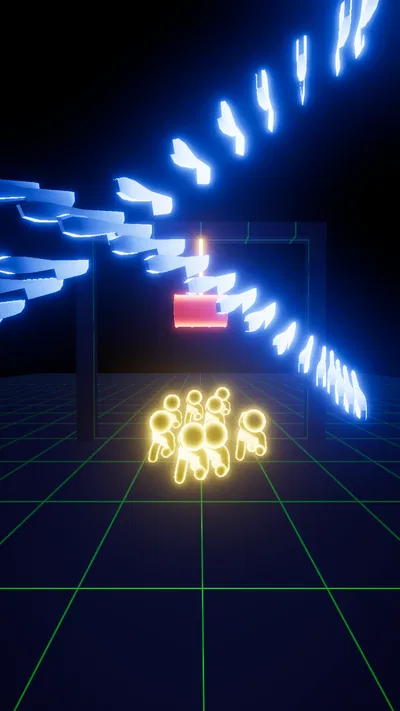
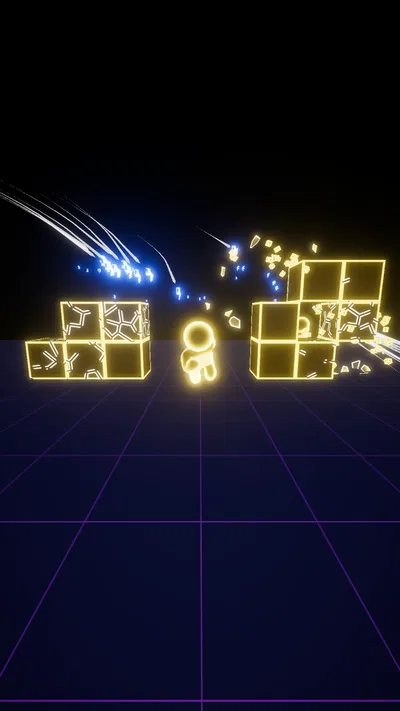

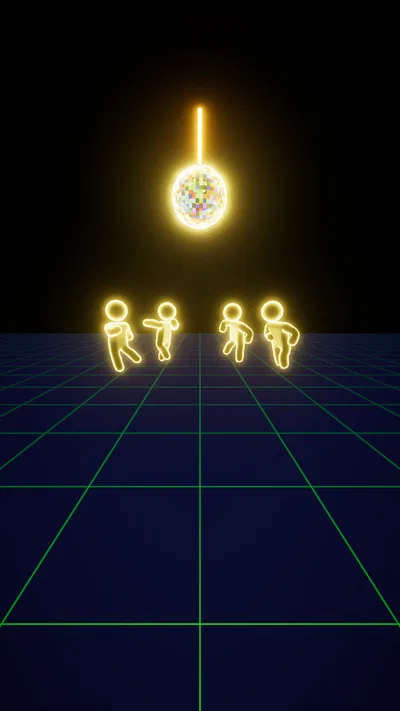
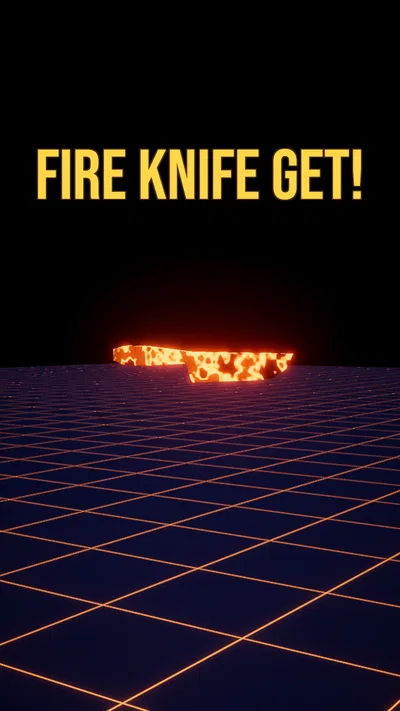

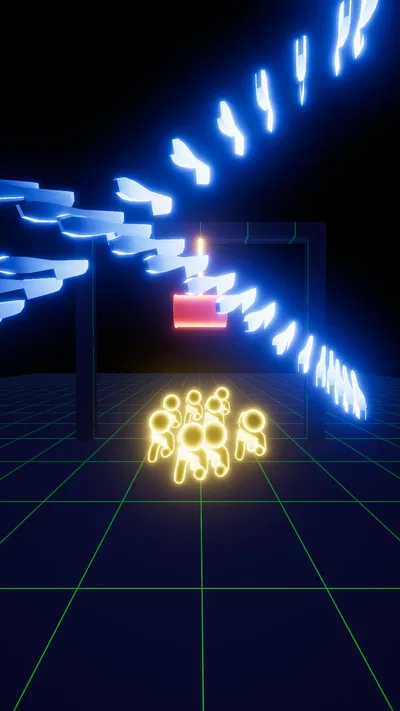
 Analysis byAppsAward
Our review of Slow Mo Strike: Knives in Time
Slow motion turns a simple knife throw into a tiny action-movie moment. Slow Mo Strike: Knives in Time builds its appeal around that sharp contrast: time pauses, you trace a path, and the knives launch together in one satisfying burst. I like how clearly that idea comes across. There is no need for a complicated setup to understand the fantasy; the fun is in planning a strike and watching it unfold.
A quick first impression
This is an action game with an immediately readable hook. Its store summary captures the rhythm in a few words: time stops, the knives keep moving, and a traced plan becomes a flurry of action. That makes Slow Mo Strike easy to grasp even if you are only browsing for a quick game to try. The focus is less on explaining a sprawling world and more on making one central action feel dramatic.
The title also sets a clear expectation. “Slow Mo” points to the suspended moment before impact, while “Strike” promises a decisive release. The combination gives the game a compact, punchy identity. I find that kind of directness useful: before playing, I can already picture the basic rhythm—pause, trace, release—and the appeal rests on whether that sequence feels good in practice.
The game is free to play and has attracted more than five million installs, with a 4.7 average rating from around eleven thousand ratings. Those figures suggest it has found a sizable audience, but the more important question for me is whether the premise stays engaging beyond its first clever reveal. A slow-motion action idea works best when each pause feels purposeful and each release has enough visual impact to reward the planning that came before it.
A premise built around anticipation
What stands out is the way the game makes anticipation part of the action. Instead of treating the throw as a split-second reflex, the trace gives you a moment to consider the motion before the knives move. That change in timing creates a satisfying contrast: the player gets a calm planning beat, followed by a sudden burst of activity. It is a small concept, but it gives the game a distinct identity within mobile action games.
The promise of releasing all thirty knives in one burst gives that central moment an especially bold scale. Rather than presenting the action as a single isolated throw, the wording suggests a coordinated volley. I like the image this creates: a brief pause in which intention takes shape, then a release that makes the screen feel alive. The pleasure is not only in the impact, but in seeing a plan become motion all at once.
Visual language and setting
The game’s world is introduced through its action language rather than through a long explanation. Knives, a traced route, stopped time, and a sudden strike are enough to establish a focused mood. That restraint suits the concept. A more elaborate premise could distract from the simple pleasure of shaping a move, whereas this one keeps attention on the contrast between stillness and motion.
That contrast also gives the visual direction a natural job. During the pause, the player needs to read the situation and think about the intended path. When the knives are released, the scene needs to communicate speed and force. Even without leaning on extra lore, the central mechanic offers a clear visual arc: a held breath, a gesture, and a rapid payoff. It is an economical way to create drama, and I think it fits a game designed around quick, decisive action.
The title’s time-bending language supplies a playful action-fantasy frame without requiring a complicated backstory. “Time” is not just decoration here; it describes the feeling the game wants to create. The world becomes a stage for a brief tactical flourish, where the player can imagine the moment stretching out before everything happens together. That gives the game a coherent mood: controlled, theatrical, and a little over-the-top in a way that suits a knife barrage.
For players searching for an action game with slow-motion knife throwing, that clear visual premise is likely to be the first draw. It communicates the game’s personality quickly and keeps the central interaction easy to picture. I also appreciate that the concept does not need a pile of terminology to sound distinctive. The imagery itself does the work, making the game feel focused rather than generic.
Sound, silence, and the beat of a strike
The premise naturally invites a strong sound-and-rhythm contrast. A moment of suspension can make the eventual release feel more forceful, while a sharp burst can give the player a sense of completion. That is the kind of pacing I want from a game built around slow motion: not constant noise, but a deliberate alternation between calm and impact. The central idea already contains a musical shape, moving from a held beat to a quick crescendo.
Sound matters in action games because it can make an input feel consequential. A release that lands with a crisp audio cue feels different from one that passes without emphasis. In this case, the imagined rhythm of tracing and unleashing is especially important: the player has time to prepare, so the payoff should feel like a punctuation mark. The game’s premise gives the sound design a clear role, reinforcing the difference between planning and execution.
That same rhythm can help the experience feel coherent rather than merely busy. The pause is not dead air if it encourages the player to think; the burst is not noise if it gives the plan a visible and audible result. I find that distinction central to the game’s appeal. Its best moments should feel like a small performance, with the player setting up the action and then letting the movement take over.
The pacing also makes the concept approachable. A reflex-heavy action game can demand constant attention, but a deliberate pause offers a different kind of engagement. It gives the player room to read the moment before committing to a strike. That does not remove the action; it changes where the tension comes from. Instead of reacting only after something happens, the player helps compose the sequence in advance.
How the mechanic and mood fit together
The tracing mechanic is a natural match for the slow-motion theme because it turns intention into a visible gesture. The player is not simply waiting for a cutscene or watching an automatic flourish; the path itself is part of the action fantasy. That gives the pause a practical purpose. It is the point at which the player shapes what comes next, making the eventual release feel earned rather than purely cosmetic.
The promise of a thirty-knife burst further emphasizes the game’s preference for spectacle. A coordinated release sounds more memorable than a routine single throw, and it gives the mechanic a clear sense of scale. The key is the fit between the planning gesture and the payoff: if the player can feel that their tracing has shaped the outcome, the burst becomes satisfying for more than its visual drama. The concept is strongest when control and spectacle support each other.
That is why I see the game’s pacing as part of its mechanics, not just presentation. The frozen moment creates room for decision; the release closes that room and turns thought into action. The rhythm asks the player to move between two modes—careful and decisive—without making the central idea difficult to understand. This is a neat design foundation for a mobile action game, especially for people who enjoy a clear interaction they can learn quickly.
There is also a pleasing sense of theatricality in the premise. Tracing a route feels like setting a scene, while the release provides the payoff. That can make even a short play session feel more expressive than a simple tap-and-wait interaction. I enjoy games that find personality in the way they ask for input, and this one has a strong starting point: the player’s gesture becomes part of the performance.
Who may enjoy the experience
If you are drawn to compact action games with an easy-to-understand central hook, Slow Mo Strike: Knives in Time is easy to place on your shortlist. Its appeal is likely to be strongest for players who enjoy planning a move, then seeing it unfold with exaggerated force. The game’s identity is not built around a complex premise; it is built around the feeling of controlling a moment and releasing a burst of action.
It may also suit people who like games that make a small interaction feel dramatic. The pause gives the player a moment to focus, and the release promises a clear payoff. That structure can be satisfying in brief sessions because the main idea is easy to grasp and the action has a natural beginning and end. For me, that kind of clarity is a real strength in a mobile game.
The game is rated for teens, and it sits firmly in the action space. Its knife imagery and strike-focused premise make its tone more stylized than cozy, but the time-freezing concept gives it a playful, cinematic slant. Players looking for a richly explained setting may be more interested in games that foreground story, while those who want a focused action fantasy can appreciate how directly this one presents its central idea.
Where the atmosphere lands
Overall, the game’s strongest quality is the coherence between its premise, pacing, and intended mood. The stopped-time setup gives the player a planning beat; the traced route turns that beat into a choice; the burst of knives supplies the dramatic release. Each part supports the next, so the game’s identity feels clear from the outset. That kind of unity matters more to me than adding extra layers that would pull attention away from the main action.
As a mobile action game, it has an appealingly focused pitch: slow motion, a deliberate gesture, and a satisfying strike. The aesthetic is tied closely to the mechanic, which helps the experience feel like more than a collection of visual effects. I especially like the idea of the player creating a moment of calm before setting off a coordinated burst. It gives the action a sense of authorship—the player is not just watching the spectacle, but helping arrange it.
The game was released on May fourteenth, two thousand twenty-six, and its current version is zero seventeen. It supports Android five point one and later, making it accessible to a broad range of compatible devices. Those details are useful for players checking whether they can try it, while its free price removes a cost barrier to giving the central mechanic a shot.
A final take on the mood
I come away with a clear impression of a game that knows what it wants its action to feel like. It takes the familiar excitement of a knife strike and reshapes it around a pause, a trace, and a sudden release. That creates a compact, cinematic rhythm that can make a simple action feel deliberate and expressive. The sound and visual mood have a natural role to play in that rhythm, emphasizing the transition from quiet focus to kinetic payoff.
For anyone browsing for a free slow-motion action game, this is an appealing concept with a strong identity. Its most convincing draw is the relationship between mechanic and atmosphere: time stops so the player can shape the moment, then the knives turn that intention into a burst of action. I would recommend giving it a try if that kind of focused, theatrical gameplay sounds fun. It is a straightforward idea, but one with a satisfying dramatic pulse at its center.
Pros
- Easy-to-learn controls make it approachable for quick play sessions.
- Slow-motion effects make knife throws feel dramatic.
- Short rounds suit casual gaming breaks.
- Timing challenges reward patience and observation.
- The central concept is clear from the start.
Cons
- Repeated knife-throwing challenges may become predictable.
- Precise timing can feel unforgiving for some players.
- The slow-motion presentation may lose its impact over time.
- Progress can feel limited if you prefer varied objectives.
- The focus on timing may not appeal to every player.
Best Action Game 2026
Our verdict
Time stops. Your knives don't. Trace, release all 30 in one satisfying burst!
Frequently Asked Questions
What is Slow Mo Strike: Knives in Time?
Slow Mo Strike: Knives in Time is an action game built around launching knives and other projectiles at targets in dramatic slow motion. Its central appeal is watching each throw unfold and trying to judge the right timing and direction. The exact stages, weapons, and mechanics can vary by version, so check the store listing and screenshots to see what the current release offers before downloading.
How do you play Slow Mo Strike: Knives in Time?
The game is generally designed for quick, touch-based play: you aim or time a throw, release a knife, and watch its path toward a target. Slow-motion presentation makes the action easier to follow, but success still depends on responding to the specific controls and obstacles in each level. Read any in-game prompts at the start, since the precise aiming and throwing gestures may differ between versions.
Is Slow Mo Strike: Knives in Time free to download?
Whether the game is free, paid, or supported by optional purchases depends on its current listing and region. Even games that cost nothing to install may include advertising, in-app purchases, or other monetization. Before downloading, review the price, purchase details, and recent store information for your device. If you are setting it up for a child, check purchase controls and ask an adult to review the listing.
Does Slow Mo Strike: Knives in Time work offline?
Offline availability should be confirmed in the store description or by testing the game after installation, because requirements can change between releases. Some games allow their main levels to run without a connection but use the internet for advertisements, optional content, updates, or account features. If you plan to play while travelling, install it beforehand and check whether the parts you want to use remain accessible in airplane mode.
Is Slow Mo Strike: Knives in Time suitable for children, and what should I check before installing it?
The knife-throwing theme involves simulated weapon use, so suitability depends on a player's age and household preferences. Check the age rating, content descriptors, privacy information, and permissions shown on the official app-store page rather than relying on the title alone. Also confirm that your phone or tablet meets the listed requirements and review advertising or purchase options, especially if a child will use the device.