- Award score
- 4.8Rating
- 10,000,000+installs
- Free
App information
Screenshots
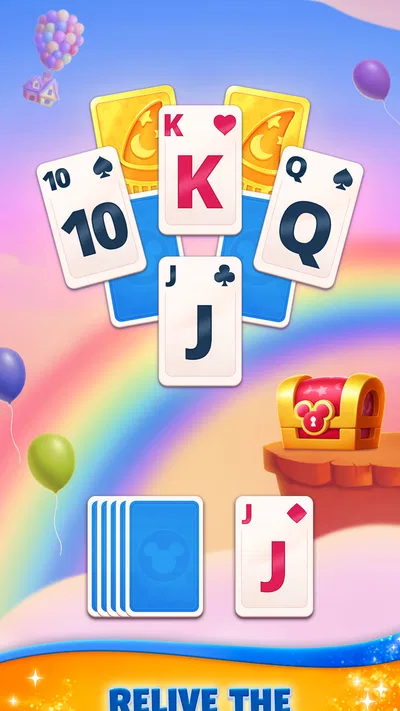
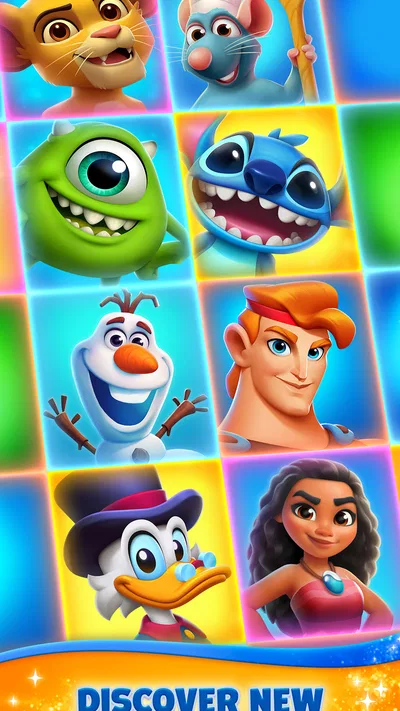
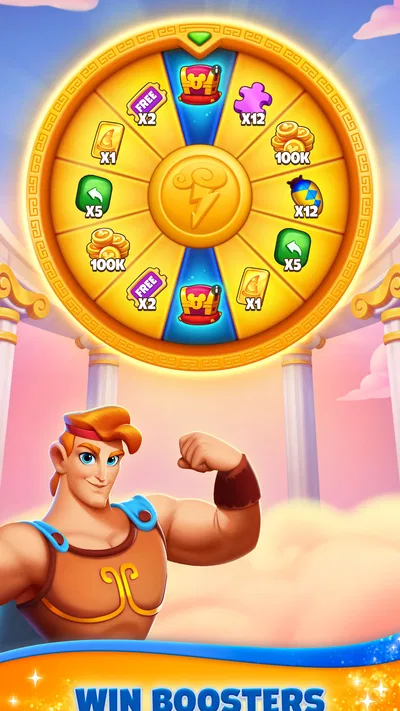
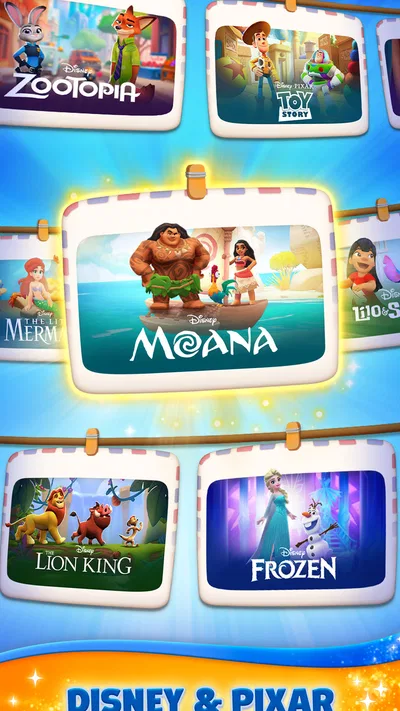

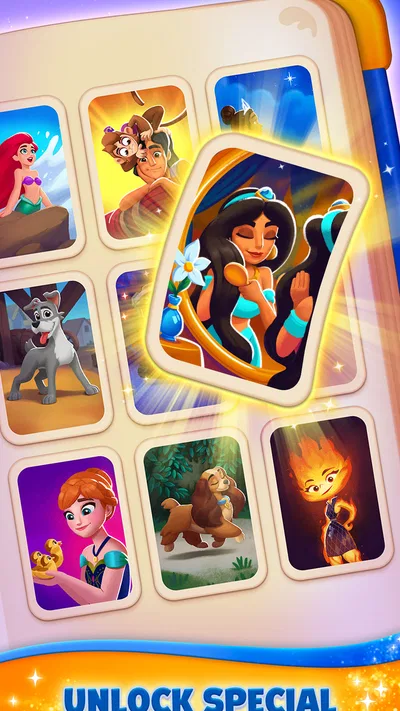
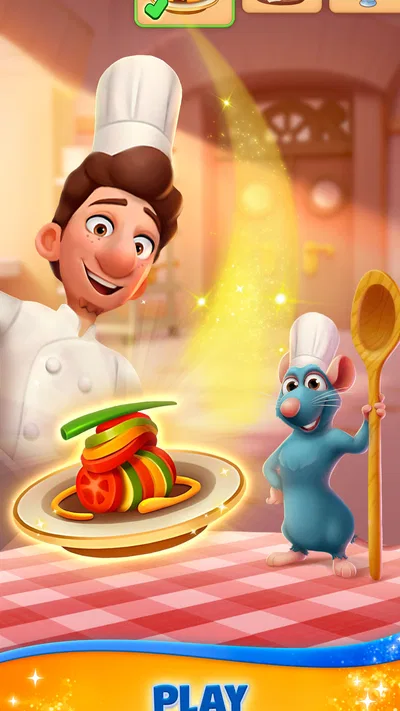
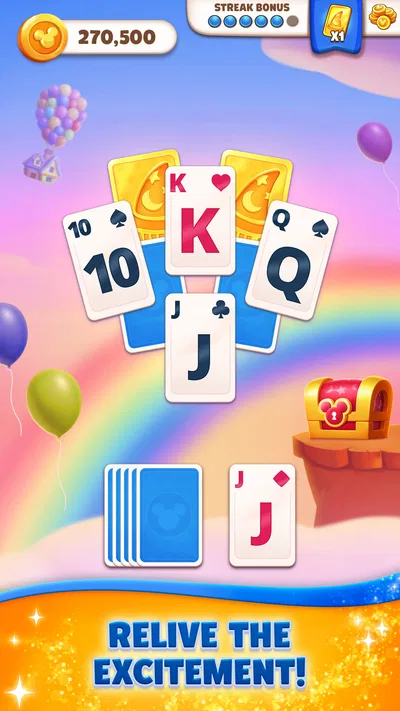
 Analysis byAppsAward
Our review of Disney Solitaire
What I like most about Disney Solitaire is the way it gives a familiar card-game routine a clear sense of purpose: each challenge is tied to a Disney-themed memory to unlock. That makes a round feel a little more inviting than playing solitaire simply to clear a board. It is still a casual card game at heart, though, so the appeal depends on whether you enjoy solving card layouts and are happy to take the challenges at their own pace.
Why the memory-unlocking idea matters
SuperPlay’s free card game is built around a simple loop: play card challenges, then make progress toward themed memories. The Disney setting gives that progression its personality. Rather than asking me to care about an abstract score, the game gives me a recognizable kind of destination to work toward, which can make one more round feel worthwhile.
That framing is most effective in short sessions. I can open the game for a quick break, focus on the puzzle in front of me, and leave with a small sense of progress. It is not the same as a deep story game, and I would not approach it expecting character-driven adventures. The memories are a reward context for the card play, not a substitute for it.
The distinction matters when choosing between this and a plain solitaire app. A traditional version is often better if all I want is an uncluttered deck and a score to beat. Here, the Disney theme and collection goal add a layer of motivation, but they also mean the experience is less purely about the cards. The central trade-off is atmosphere and progression in exchange for a less bare-bones solitaire feel.
What a round asks of you
The practical question is whether the card challenges themselves hold up. They need to be engaging enough that the reward track feels earned, rather than a decorative reason to repeat the same action. I find the strongest way to approach a session is to treat each layout as its own small puzzle: look for the cards that open up more choices, and avoid spending a move just because it is immediately available.
That is useful advice for casual players, because card games can make a tempting move look better than it is. When several choices are open, I try to favor the one that reveals or preserves options instead of focusing only on the next card I can clear. It is a small habit, but it makes the play feel more deliberate and can reduce the frustration of reaching a point where the remaining choices are awkward.
I also recommend setting a modest goal for a session. Rather than deciding in advance that I will finish a whole collection or play until a particular reward appears, I focus on a few challenges and stop when I have had my fill. That keeps the game in its best role: a light puzzle for a spare moment, not a task that follows me around the day.
A good fit for spare moments
Imagine waiting for a friend at a café or sitting through a quiet stretch of a commute. This is the kind of everyday situation where a themed solitaire game can work well: the rules are familiar, the challenge is easy to understand, and a short session can feel complete without requiring a long stretch of attention. If the memory goal gives you a reason to return, that can make the game more appealing than opening a generic card app.
It is less suitable when you need something you can abandon instantly without caring about continuity, or when you want a game that demands sustained concentration and develops a complex strategy over many sessions. Solitaire offers decisions, but its basic appeal remains compact and repetitive. The Disney presentation can refresh that loop for fans; it cannot turn the underlying card format into a different genre.
One practical way to decide is to ask what you want from a break. If you like familiar card play with a themed goal in the background, the game has a clear reason to be on your phone. If you would rather use the time for a story, an action game, or an entirely stripped-down solitaire challenge, another option is likely to suit you better.
Where the format can feel limiting
Even a pleasant progression loop can become repetitive if the card challenges stop feeling fresh to you. The game’s main activity remains card play, so players who tire quickly of solitaire may find that the Disney layer only delays that feeling. I would not choose it on the assumption that themed memories will make every round feel dramatically different.
There is also a difference between a gentle reward goal and a reason to keep playing longer than intended. If you are prone to chasing the next unlock, it helps to decide on a stopping point before opening the game. That is especially sensible in a free-to-play title with optional purchases: the game is free to start, while in-app items range from $0.99 to $149.99 each. I would treat purchases as optional conveniences, not as part of the basic value proposition, and set a spending boundary before buying anything.
For a player who wants a no-cost pastime, the free entry point is attractive. For someone who dislikes in-app purchase prompts or any pressure to spend, the existence of a wide range of optional items may be unwelcome even if they never buy one. That is a personal tolerance issue, but it is worth considering before making the game a daily habit.
Who is likely to enjoy it most
I would recommend it first to Disney fans who already enjoy casual card games. The theme gives them an extra reason to care about progress, while the familiar format keeps the learning curve approachable. It can also suit someone who wants a low-commitment game for small breaks and likes having a collection-style goal to work toward.
It is a weaker match for players who want competitive card play, a complex deck-building system, or a long-form narrative. Those expectations point toward different kinds of games. Likewise, if you prefer solitaire without themed presentation or progression, a simpler alternative will probably feel more direct and less distracting.
The broad audience is reflected in its Everyone age rating, but that does not mean every player will find it engaging. The key is the combination of Disney presentation and repeated card challenges. If both sound appealing, the game has a coherent hook; if only the theme interests you, the card loop may feel like a barrier rather than a bonus.
Popularity, compatibility, and value
The game has an average rating of 4.8 from around 883,000 ratings, with about 63,000 written reviews and over 10 million installs. Those figures suggest that it has reached a large audience and been well received, but they cannot tell me whether its particular mix of Disney imagery and solitaire will suit you. I would use them as context, not as a replacement for thinking about your own taste.
It was released on April 16, 2025, and the current version is 1.26.3. The minimum operating-system requirement is 7.1, so checking your device’s software compatibility before installing is a sensible first step. The developer is SuperPlay, and the free starting price makes trying the core experience less of a commitment than buying a paid game upfront.
For value, I would judge it by how often the memory progression makes me want to return, not by how many items are available to purchase. If I can enjoy the card challenges without spending, the game does its job as a casual pastime. If I feel that I need to pay to make the sessions satisfying, I would stop and reconsider whether the format is actually working for me.
My verdict on the central idea
Disney Solitaire works best when its themed memories give familiar card challenges a little extra meaning. That is a focused, understandable appeal, and it makes the game an easy recommendation for Disney fans who want a relaxed puzzle to dip into. The progression can give a short session a satisfying endpoint without asking for a major time commitment.
I would be more cautious if you already know that solitaire grows stale for you, or if optional in-app purchases make free-to-play games frustrating. The Disney theme is a reason to try the game, not a guarantee that the card play will hold your attention indefinitely. My practical advice is to install it only if the cards themselves sound enjoyable, then let the memory goals be a bonus. For the right player, that balance makes a familiar pastime feel warmer; for everyone else, a simpler solitaire game or a more substantial adventure may be a better use of a break.
Pros
- Disney characters add a familiar touch to classic solitaire.
- Card designs feature colorful scenes inspired by Disney stories.
- Short rounds make it easy to play during brief breaks.
- Progression gives players goals beyond completing individual hands.
- The rules are approachable for casual card game fans.
Cons
- Some levels may rely heavily on luck.
- Limited moves can make certain puzzles feel restrictive.
- Progression may slow as later challenges become tougher.
- Frequent play can make the core solitaire loop feel repetitive.
- Players seeking deep strategy may find the gameplay simple.
Best Card Game 2026
Our verdict
Explore Disney Solitaire! Complete card challenges & unlock magical memories!
Frequently Asked Questions
What is Disney Solitaire?
Disney Solitaire is a mobile card game that combines familiar solitaire-style play with Disney characters, settings, and themed artwork. You clear cards from the layout by choosing cards in sequence, while completing levels and progressing through a story-driven presentation. The exact characters, events, and available content can change with updates, so check the current app listing for details about what is included.
How do you play Disney Solitaire?
The game uses familiar solitaire mechanics: select an available card that is one rank higher or lower than the current card, and continue making matches to clear the board. If no useful move is available, you can draw another card, though the number of draws may be limited by the level. Objectives, layouts, boosters, and difficulty can vary, so each stage may call for a different approach.
Is Disney Solitaire free to download and play?
Disney Solitaire is generally offered as a free download, but it may include optional in-app purchases and advertisements. Purchases can provide items such as currency, extra moves, or other gameplay benefits, depending on the current version. You can usually play without buying anything, although progression may take more time when a level is challenging. Review the app-store listing and purchase settings before downloading, especially on a shared device.
Can I play Disney Solitaire offline?
Some parts of a solitaire game may work without an internet connection, but features that depend on online services—such as events, account synchronization, rewards, or store purchases—may require connectivity. Offline availability can also vary by version and device, and the game may ask you to reconnect to continue. If playing without internet access matters to you, check the current store description and test the game before relying on it while travelling.
Is Disney Solitaire suitable for children, and what should parents know?
Disney Solitaire presents family-friendly Disney themes, but parents should still check the age rating and content information shown in the Apple App Store or Google Play. The game may include advertisements, social or online features, and optional purchases, depending on the version and region. To avoid unexpected spending, use parental controls or disable in-app purchases, and review any privacy information before allowing a child to create an account or share data.