- Award score
- 4.9Rating
- 50,000,000+installs
- Free
App information
- Version
- 7.5.1-26092176
- Updated
- Requires
- 6.0
- Price
- Free, in-app purchases
- Developer
- Guru Puzzle Game
- Content rating
- Everyone
Screenshots
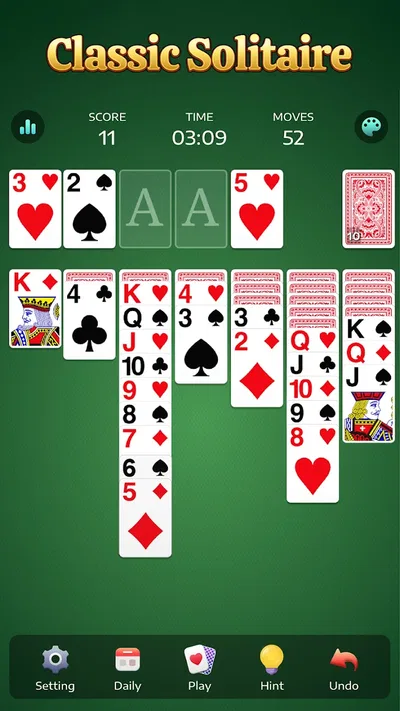
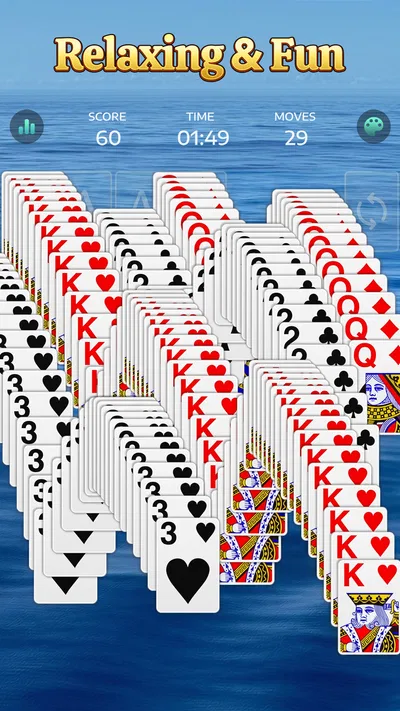
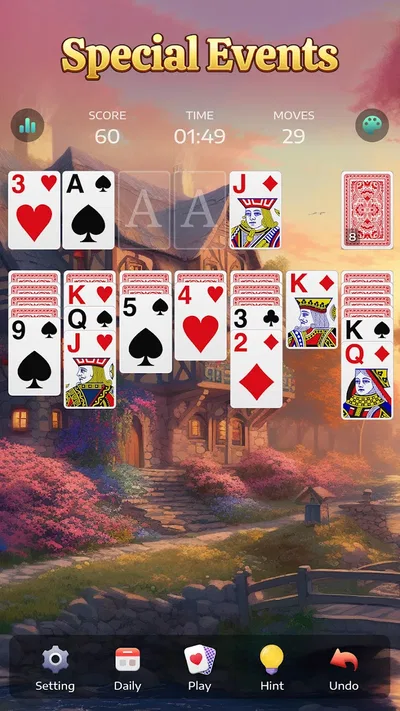
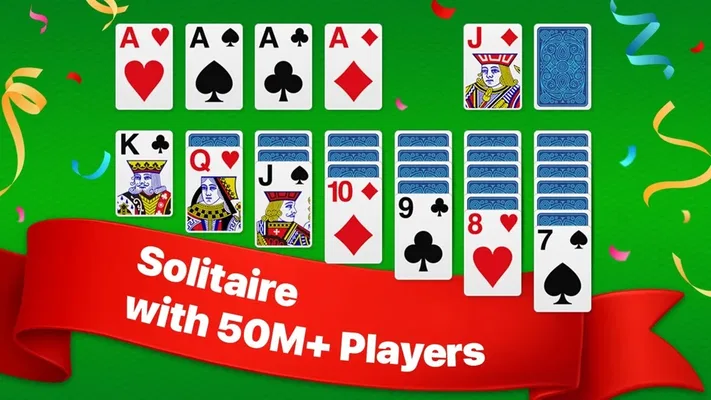
 Analysis byAppsAward
Our review of Solitaire - Classic Card Games
The appeal of Solitaire - Classic Card Games is easy to understand: a familiar deck, a simple opening move, and a puzzle that can fill a short break without asking you to learn a complicated system. I like how classic solitaire gives each session its own small question: can I organize the cards well enough to uncover the moves that lead to a finish? This card game from Guru Puzzle Game keeps that recognizable challenge at its center, making it an approachable choice whether you are returning to solitaire or trying it for the first time.
A familiar first move
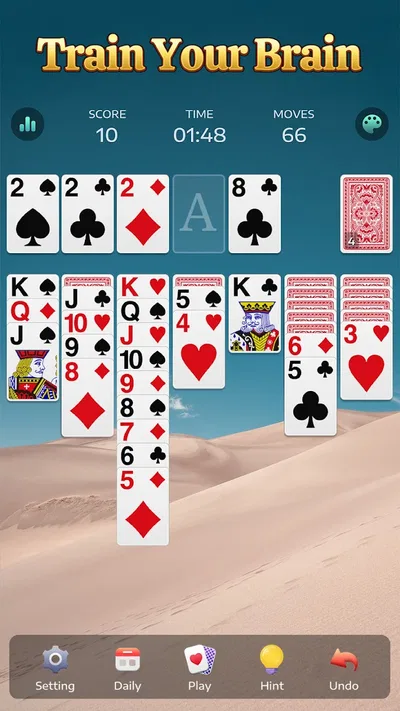
Starting a game is pleasantly straightforward. You look over the cards, identify a move that seems useful, and begin rearranging the layout. The appeal is not in a long introduction or an elaborate premise; it is in getting straight to the decision-making. For a classic solitaire game, that direct start matters. It lets me settle into the puzzle quickly, whether I have a few spare minutes or feel like spending longer with a card layout.
The basic routine is familiar to anyone who has played solitaire: consider the visible options, make a move, then see what the new arrangement reveals. That simplicity is part of the game’s strength. I do not have to keep track of a story or master a collection of unrelated mechanics before I can enjoy a round. The cards themselves provide the problem, and each decision nudges the layout in a new direction.
Solitaire - Classic Card Games is free to play, with optional in-app purchases listed from $0.99 to $59.99 per item. That gives players a chance to try the game without an upfront purchase, while making it worth paying attention to any purchase choice. The game is rated Everyone, so its straightforward card-game premise is suitable for a broad audience.
Small decisions, clear consequences
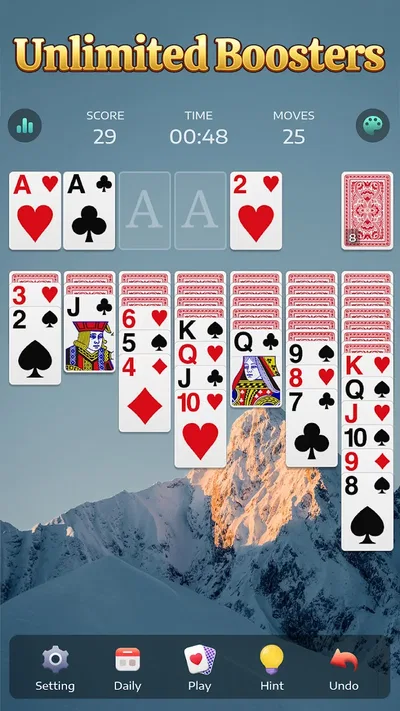
Solitaire is at its most engaging when a move looks modest but changes what I can do next. I might shift a card because it opens a space or makes another card accessible; then the next glance across the layout brings a fresh set of possibilities. The pleasure comes from connecting those little decisions, rather than from any single dramatic moment. When a move works, I feel that I have made progress. When it does not, I have a new arrangement to think through.
That is a useful kind of challenge for a mobile game. It is active enough to hold my attention, yet measured enough to feel relaxing. I can pause to weigh the options instead of racing against a story or reacting to a barrage of instructions. The classic format also means the central objective is easy to grasp: keep sorting and uncovering cards until the puzzle comes together.
The rhythm of a round
The feedback in solitaire is quiet but constant. Every move changes the visible state of the game, so I can immediately inspect what has opened up and decide whether my choice helped. A run of useful moves builds momentum: one newly available card may create the opening for another, and the board starts to feel less tangled. When options narrow, the pace naturally slows, inviting a closer look instead of demanding a quick reaction.
This rhythm makes the game well suited to casual play. A round can feel like a small mental reset: focus on the cards, test a possibility, and adjust when the layout changes. I enjoy that balance between calm and concentration. Solitaire is not just something to tap through; the player has to notice opportunities and choose an order for acting on them. Even a familiar layout can ask for a different approach as the visible cards change.
The result is a steady loop of action and feedback. I make a move, read the new arrangement, and decide whether to continue along that line or consider another option. There is no need for a complicated explanation to make the loop satisfying. The board itself tells me what has changed, and the next decision follows naturally from what I can see.
Progress feels earned
When a round starts to come together, the reward is the sense that a series of small choices has paid off. A card becomes available, a blocked area opens, or the remaining puzzle looks more manageable. Those are modest victories, but they are exactly the kind that suit solitaire. The satisfaction builds as I turn a cluttered arrangement into a more orderly one, with each useful move making the goal feel closer.
There is also value in the thinking that happens before a move. I may spot one tempting option, then realize another choice could reveal more of the layout. That moment of reconsideration gives the game its strategic texture. It encourages patience without making every decision feel weighty. I can experiment, learn from the changing board, and enjoy the process even when a round does not unfold as smoothly as I hoped.
That balance is why the classic card format remains so easy to revisit. The rules are familiar, but the sequence of visible opportunities gives each deal its own shape. I am not relying on a new feature to make the experience interesting; the pleasure comes from reading the cards and finding a workable path through them.
Why another session begins
Solitaire has a natural reset built into its structure. A round reaches its conclusion, and the next one offers a fresh arrangement to examine. That clear boundary makes it easy to play in short bursts: I can finish a puzzle and put the game aside, or start again because I want to see how the next layout will challenge me. The restart is not a complicated commitment. It is simply another chance to organize the cards.
That reset also helps keep the experience from becoming one long, demanding task. Each new session gives me a clean problem, so I can return with a fresh eye rather than carrying a complicated progression from one round to the next. If I have only a little time, one round can be enough. If I am in the mood to keep playing, the familiar cycle makes it easy to begin again.
The game’s large audience reflects how widely this kind of play can appeal: it has more than 50 million installs, alongside an average rating of 4.9 from around 731,000 ratings. Those figures fit the sense that the formula is accessible and enduring, though the personal appeal still comes down to whether you enjoy thoughtful card puzzles. For me, the dependable structure is the draw: a clear start, a sequence of choices, and a natural point to reset.
Who will enjoy this card game?
I would recommend it to players looking for a familiar solitaire card game that is easy to pick up and centered on a steady puzzle loop. It suits people who enjoy taking a moment to consider a move, watching the layout respond, and working toward a satisfying finish. It can also be a good fit for casual players who want a game they can return to without needing to remember a sprawling set of systems.
Those seeking a fast, competitive action game may find this pace too gentle. Solitaire’s appeal is quieter: concentration, pattern recognition, and the satisfaction of making progress one move at a time. That is not a drawback for the audience it serves, but it does define the experience. I appreciate that the game does not need to pretend to be something else. It offers the simple pleasures of a classic card puzzle and lets the player set the pace.
Guru Puzzle Game released it on April 25, 2021, and the current version is 7.5.1-26092176. It runs on Android 6.0 or later. These details make it easy to understand the game’s place as a straightforward mobile option for people who already enjoy solitaire and want to play it on a phone or tablet.
A relaxing loop worth returning to
What makes Solitaire - Classic Card Games work is the connection between its simple actions and the next reason to keep playing. I choose a move, see how the cards shift, enjoy the progress when a useful opening appears, and begin another round when I am ready for a fresh puzzle. That action-feedback-reward-reset cycle is uncomplicated, but it gives the game a satisfying shape.
My overall impression is of a welcoming, easy-to-understand card game that values the pleasures of classic solitaire: a calm pace, thoughtful decisions, and the little lift of seeing a layout fall into place. It is free to start, rated Everyone, and supported by optional purchases. If you want a familiar mobile solitaire game for a quick mental break or a longer stretch of casual play, this is a solid choice. The loop is simple enough to enter immediately and engaging enough to make one more round feel tempting.
Pros
- Simple rules make it easy for new players to get started.
- Offline play works well when an internet connection is unavailable.
- Undo and hint tools can help players learn from each move.
- Short rounds fit well into brief breaks.
- Classic solitaire offers a familiar and relaxing pastime.
Cons
- Random deals can sometimes feel difficult or unwinnable.
- Hints may reduce the challenge for experienced players.
- Ads can interrupt play depending on the version.
- Small cards may be harder to read on compact screens.
- Repeated rounds may feel less varied than other card games.
Best Card Game 2026
Our verdict
Relax Now! The Most Addictive Classic Solitaire Card Games for You!
Frequently Asked Questions
What is Solitaire - Classic Card Games?
Solitaire - Classic Card Games is a mobile card game centered on the familiar Klondike solitaire format. Players arrange cards into descending sequences with alternating colors, then move completed suits to the foundations. The app is intended for quick solo games and may include options such as draw-one or draw-three play, hints, undo, and score tracking. Exact features can vary by version, so check the app listing for current details.
How do you play Solitaire - Classic Card Games?
In a standard Klondike round, you move face-up cards between tableau columns to build descending sequences that alternate red and black. Turning over hidden cards can reveal useful moves, while aces and subsequent cards are placed in suit order on the foundation piles. You draw from the stock when no suitable tableau move is available. Depending on the selected mode, you may draw one card or three at a time.
Does Solitaire - Classic Card Games work offline?
Many solitaire games support offline play because the core card game does not require live multiplayer or an internet connection. However, features such as advertisements, daily challenges, cloud saves, leaderboards, or optional purchases may need connectivity. Offline availability can also differ between app versions and devices. If playing without internet access is important, review the store listing and test the game before relying on those extra features.
Is Solitaire - Classic Card Games free to download and play?
The game may be available as a free download, but free-to-play solitaire apps commonly display advertisements and may offer optional in-app purchases. These could relate to removing ads, hints, themes, or other extras; availability depends on the specific version. Check the Google Play or App Store listing for current pricing, purchase details, and any subscription terms before downloading, especially if you want an uninterrupted experience.
Is Solitaire - Classic Card Games suitable for beginners, and what permissions should I check?
Solitaire is generally easy to learn, and features such as hints, undo, and clear card layouts can make a mobile version approachable for new players. Before installing, check the app’s age rating, privacy information, and requested permissions in the relevant app store. A basic solitaire game should not need access to unrelated personal data, though advertising or optional online services may involve additional data practices.