
- Award score
- 4.8Rating
- 10,000,000+installs
- Free
App information
Screenshots
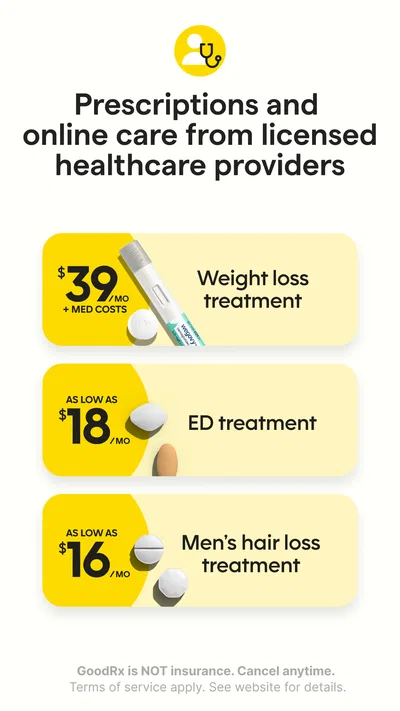
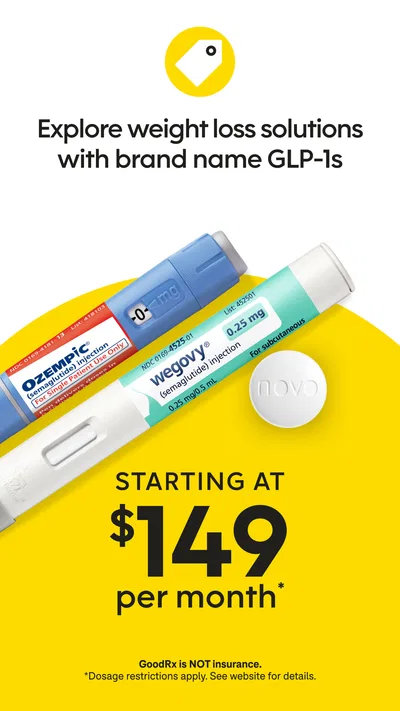
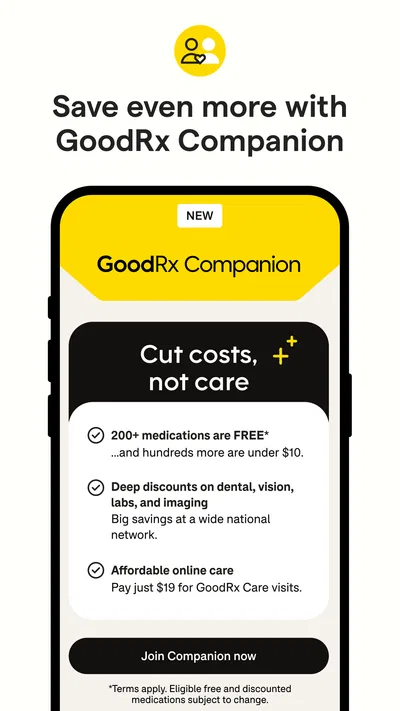

 Analysis byAppsAward
Our review of GoodRx: Prescription Coupons
When someone in a household needs a prescription filled, the first question is often not which pharmacy is closest but what the medicine will cost there. I see GoodRx as a useful place to begin that comparison, especially when several people are trying to sort out separate prescriptions and nobody wants to make avoidable calls or trips. It is a free medical app from GoodRx, built around helping people look for more affordable prescription medication. Its value is practical, but it works best as a price-checking aid rather than a replacement for a pharmacist, prescriber, or health plan.
One household, several prescriptions
A realistic use for GoodRx is a shared household conversation: one person has a prescription ready for pickup, another is renewing a regular medicine, and someone else is helping an older relative compare options. Instead of treating the first quoted price as final, I would use the app to check what is available for each prescription and then confirm the details with the pharmacy before anyone sets out. That small pause can make a difference when the household is managing more than one medication and cost matters.
The important distinction is that coordination does not mean every family member should treat one phone or one app view as a complete medical record. A person helping with a parent’s prescription can use the app as a comparison tool, while the patient or their caregiver remains responsible for checking the medicine, pharmacy, and pickup arrangements. I would keep the conversation focused on the exact prescription and the person it belongs to; similar names or strengths are not interchangeable just because they appear in the same household discussion.
For a shared device, I would also avoid leaving prescription details visible when passing the phone around. That is a simple privacy habit, not a special feature claim: close the relevant screen when the next person takes the device, and do not assume that a family member’s information belongs in someone else’s account or search history. GoodRx is most helpful when it supports a clear conversation, not when it blurs who is making a health decision.
Check before making the trip
My preferred workflow is to compare first, then call or speak with the pharmacy to verify the price and the exact prescription. A displayed offer or estimate should not be treated as a guarantee that every pharmacy will handle it the same way. The pharmacy can confirm whether the information applies to the medicine and quantity prescribed and explain what the patient needs to present. This final check is especially worthwhile when a prescription has changed or when someone else is picking it up.
That habit also prevents a common household mix-up: comparing a price for one version of a medicine and assuming it applies to another. Prescription names can be confusing, and details such as strength and form matter. I would have the prescription label or the prescriber’s instructions nearby while comparing, then make sure the pharmacy is discussing the same item. The app can help narrow the search, but it cannot resolve an unclear prescription on its own.
Keep the roles clear
When one person is doing the research for someone else, I find it useful to separate the helper’s task from the patient’s decision. The helper can look for possible savings and share what they found; the patient, caregiver, pharmacist, or prescriber can decide what is appropriate. A lower price alone is not a reason to change a prescribed medicine, skip a dose, or substitute a product without professional guidance.
This distinction matters most when a household is coordinating across different pharmacies or insurance arrangements. A coupon-based price and an insurance price may not be handled in the same way, so I would ask the pharmacy to compare the actual options rather than assume one automatically wins. If the person has questions about coverage, eligibility, or how a particular offer is processed, the pharmacy is the right place to clarify before checkout.
What the app is good at—and where it needs a human check
GoodRx is strongest as a practical starting point for cost comparisons. Compared with the usual alternatives—asking one pharmacy for a quote, relying only on an insurer’s estimate, or searching broadly online—it gives a household another way to investigate the price of a prescription. Those other routes still matter: a pharmacy can confirm what it will charge, and an insurer can explain how a plan treats a medication. I would use the app alongside those sources, not in place of them.
A useful, less obvious approach is to compare at the moment the prescription is being filled, rather than relying on a price remembered from a previous refill. Prices and pharmacy handling can differ, so an old screenshot or a relative’s experience may not settle today’s question. If a household is weighing options, note the pharmacy and the prescription details being discussed, then confirm the current terms directly. That turns a vague “it was cheaper last time” into a checkable decision.
Another trade-off is convenience versus certainty. Searching for a lower-cost option can be worthwhile, but changing pharmacies may create extra coordination: someone has to confirm the prescription is there, understand the pickup process, and make sure the right person collects it. For a one-time saving, that effort may be reasonable; for a time-sensitive medicine or a person who depends on a familiar pharmacy, staying with the current pharmacy and asking about available options may be the better choice.
I would also avoid treating a coupon as a substitute for advice about whether a medicine is suitable. GoodRx is a cost-focused medical app, not a clinician’s assessment. If a person is unsure whether to take a medication, has a possible side effect, or is considering changing treatment because of cost, they should speak with a pharmacist or prescriber. The app can help frame a price conversation, but it does not make the clinical decision.
Setup and household boundaries
For a household, the safest setup is to decide in advance who is using the device and who is handling each prescription. If one person helps several relatives, I would keep each search tied to the correct patient and avoid sharing account credentials or personal details casually. Do not assume the app provides family profiles, caregiver permissions, or a shared medication record; a household should coordinate through its own clear routines unless those functions are explicitly available in the app.
On a shared phone or tablet, people should also consider what remains visible after a search. A prescription can reveal personal health information, so a household may prefer that each adult use their own device or handle their own searches. Where that is not practical, agree on when the device is being used for someone else and close the relevant screens afterward. These are ordinary boundaries that help prevent confusion without relying on a feature the app may not provide.
For a caregiver helping someone who is not comfortable with apps, I would use the phone together and read the details aloud rather than making choices on the person’s behalf. That keeps the patient involved and gives them a chance to correct a mistaken medicine or pharmacy. If the patient cannot participate, the helper should follow the patient’s established care arrangements and verify decisions with the appropriate professional.
Age, trust, and who should use it
The app is marked for everyone, and it has been available since December 12, 2012. That broad age context does not mean every child should manage prescription decisions. I would treat it as an adult or caregiver tool for comparing costs, with a responsible adult overseeing any use involving a child’s medication. A young person might help read a screen, but the patient’s caregiver and pharmacist should confirm the prescription and purchase details.
Trust is also about knowing what the app can and cannot settle. GoodRx is developed by GoodRx, and its scale suggests that many people use it: it has more than 10 million installs, an average rating of 4.8, and hundreds of thousands of ratings. Those figures can help a new user understand that it is established, but they do not guarantee that a particular quote will apply to a particular prescription. I would judge it by whether it helps me ask better questions and verify a useful option locally.
The current version is 9.22.0, with support for operating systems starting at version 8.0. If a family member’s phone is older, checking compatibility in the relevant app store before planning a shared workflow is sensible. The app is free, which makes trying it for a price comparison relatively straightforward, but “free” does not mean a displayed prescription price is automatically the final amount a person will pay. The pharmacy should confirm the terms.
Who will benefit, and who may prefer another route
I would recommend trying GoodRx if you regularly compare prescription costs, help a relative navigate a refill, or want an additional source to consult before choosing where to fill a medicine. It is particularly useful when someone is comfortable checking details and following up with a pharmacy. Its practical strength is not that it removes every step; it gives the user a focused way to start a cost conversation.
It may not be the best choice for someone who wants a complete medication-management system, expects the app to coordinate a family’s prescriptions automatically, or needs clinical advice. If a person’s main concern is insurance coverage, a direct conversation with the insurer or pharmacy may answer more than a coupon comparison. If the prescription is urgent, a familiar pharmacy that can confirm availability and timing may matter more than searching for another price.
In everyday use, I would keep it simple: check the exact prescription, compare the available option, and confirm the result with the pharmacy before traveling or changing where it is filled. For a household, assign one person to help with the search while keeping the patient involved and their information private. That is a more dependable routine than forwarding a screenshot without context or assuming every family member can use the same details.
My household verdict is positive, with a clear boundary. GoodRx can make the cost side of prescription shopping easier to investigate, and it is worth having available when a refill or a family member’s medicine raises a price question. I would not rely on it alone for insurance decisions, medical advice, or coordination between relatives. Used as a comparison tool—with the pharmacy confirming the final details—it is a sensible, free addition to the household’s routine; used as a substitute for those checks, it asks the app to do more than it should.
Pros
- Free to use with no membership required.
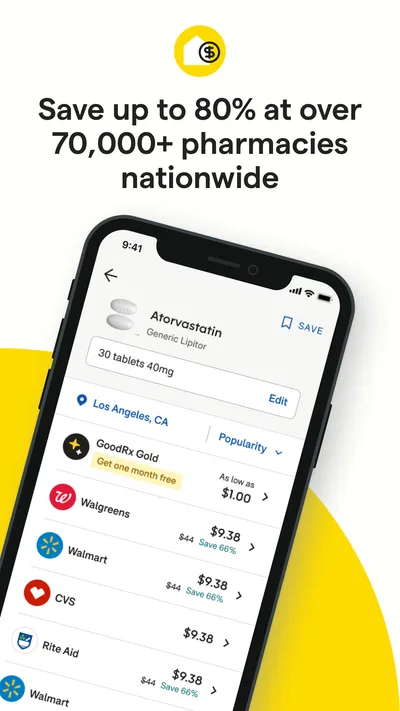
- Shows prices from nearby pharmacies.
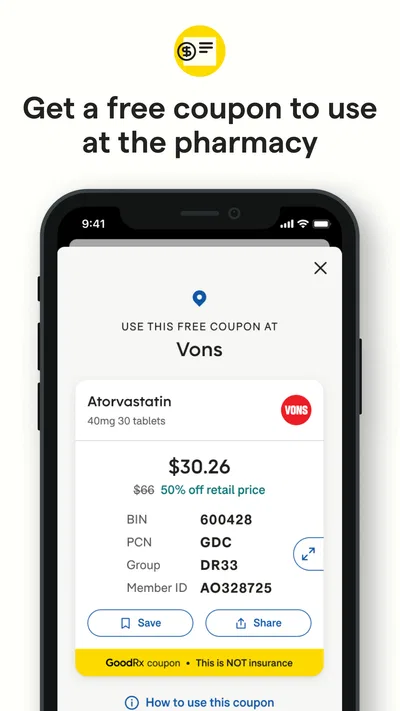
- Coupons can be saved for later use.
- Works for many common prescription medications.
- May help people without insurance pay less.
Cons
- Discounts do not apply to every medication.
- Coupon prices can vary between pharmacies.
- Cannot be combined with insurance for the same purchase.
- Some pharmacies may not accept every coupon.
- Savings are not guaranteed to beat your insurance copay.
Best Medical App 2026
Our verdict
Find affordable prescription medications for you and your family with GoodRx.
Frequently Asked Questions
What is GoodRx: Prescription Coupons, and how does it help lower prescription costs?
GoodRx is an app and online service that helps people compare prices for many prescription medications at participating pharmacies. It provides coupons or discount codes that you can show at checkout, usually instead of using insurance for that purchase. Savings vary by medication, pharmacy, location, and coupon terms, so compare the displayed price with your insurance copay before deciding which option to use.
How do I use a GoodRx coupon at a pharmacy?
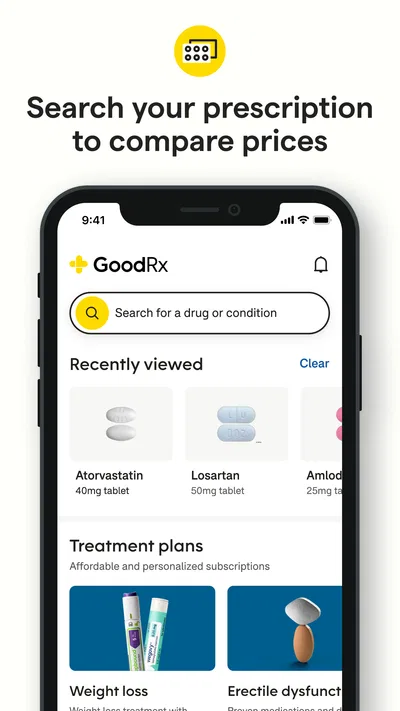
Search for your medication in the app, select the correct strength and quantity, and compare nearby pharmacy prices. Choose a pharmacy and present the coupon details to the pharmacist before the prescription is processed. The pharmacy may need the coupon’s numbers or a barcode, depending on its system. Confirm the final price at the counter, since prices and availability can change and coupon rules may apply.
Can I use GoodRx with health insurance or Medicare?
GoodRx coupons generally cannot be combined with insurance, Medicare, or another prescription benefit for the same purchase. You can ask the pharmacy to compare your insurance copay with the GoodRx price and choose one payment method. A purchase made with a coupon may not count toward your insurance deductible or out-of-pocket maximum. Check your plan’s rules if you are unsure how a discounted purchase will be treated.
Are GoodRx coupons free, and are they accepted at every pharmacy?
GoodRx coupons are generally free to access, but they are not accepted for every medication or at every pharmacy. The app lists participating locations and estimated prices, while individual pharmacy participation and coupon terms can vary. A listed price is not a guarantee, so call the pharmacy to confirm that it can process the coupon for your exact prescription before making a trip, especially for less common medicines.
Does GoodRx provide prescriptions, medical advice, or a guarantee of savings?
GoodRx is primarily a prescription price-comparison and discount service; a coupon does not replace a prescription or a conversation with a licensed clinician. The app may offer other healthcare services depending on location, but availability and terms can differ. Discount amounts are not guaranteed, and the lowest displayed price may not be the price you pay. Verify the details with the pharmacy and consult your clinician about medication decisions.