
- Award score
- 4.4Rating
- 1,000,000,000+installs
- Free
App information
Screenshots

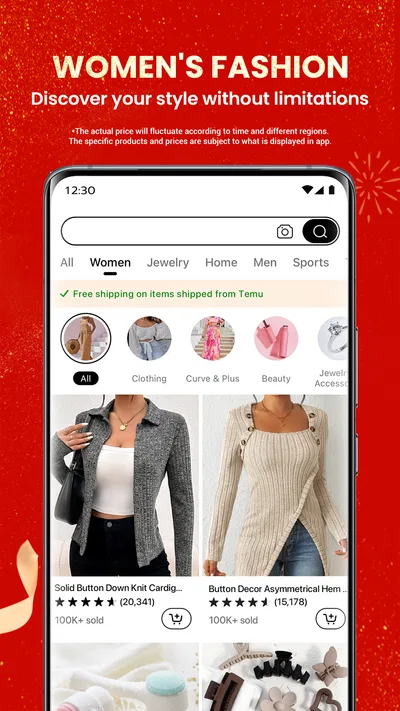
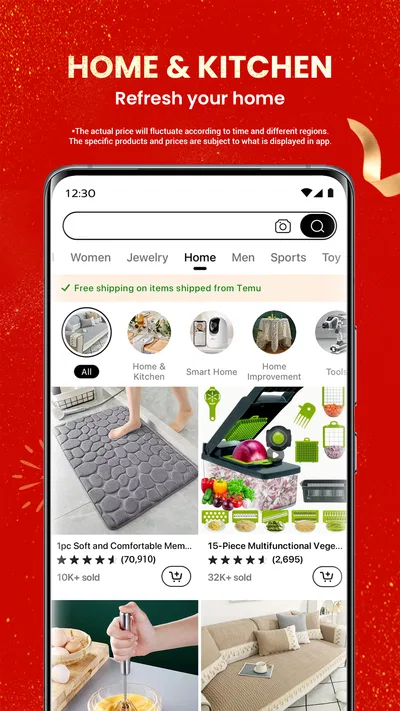
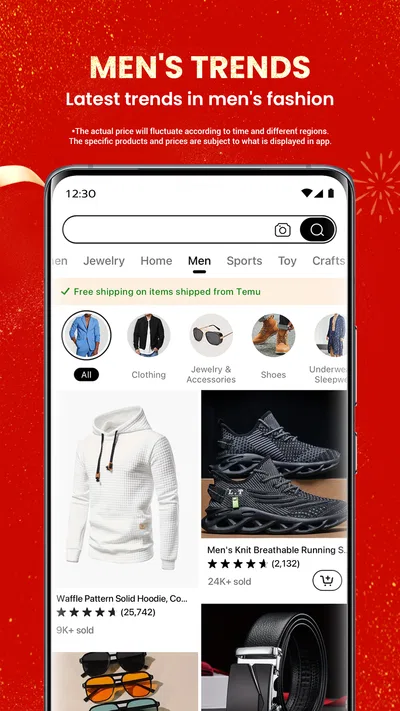
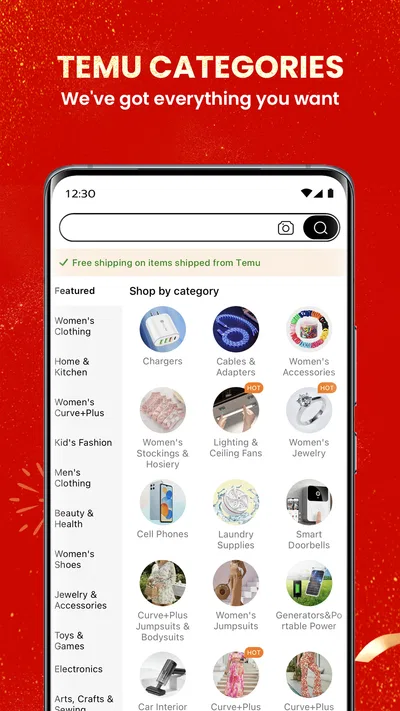


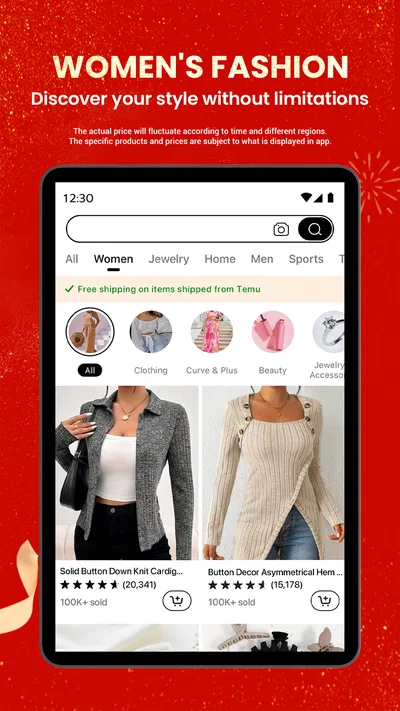
 Analysis byAppsAward
Our review of Temu: Shop Like a Billionaire
I can see why Temu catches people’s attention during a first visit: it turns browsing into a steady stream of small discoveries, from household odds and ends to accessories and hobby supplies. After spending time with it, I think its real appeal is less about one must-have product and more about how easily it lets you explore a wide range of inexpensive-looking possibilities. That can be fun when you have a loose shopping list, but it also means you need a little discipline to keep browsing from becoming the activity itself.
What the first week feels like
Temu is a free shopping app from Temu, released on August 25, 2022. It is rated for Teen users, and the Android version requires Android 6.0 or later. The current version is 4.92.0. Its simple starting point is familiar: browse products, look for appealing offers, and decide whether anything is worth ordering. The app’s broad selection makes it easy to move from one kind of item to another without changing shopping destinations.
The first-week experience is likely to be most enjoyable if you arrive with a purpose. I’d use the search bar for something specific, then compare several listings rather than treating the first attractive image as a recommendation. For a drawer organizer, craft accessory, or spare cable, that approach turns a sprawling catalog into a manageable shortlist. If you open the app with no plan, the endless variety can make it surprisingly easy to lose track of what you meant to find.
Articles related to Temu: Shop Like a Billionaire
Temu has a scale that shapes the experience. It has more than a billion installs, an average rating of 4.4, and around 13 million ratings, alongside roughly 621,000 written reviews. Those figures suggest that the app has reached a very large shopping audience, but popularity is not a substitute for checking whether a particular listing suits your needs. In a catalog this broad, the quality and usefulness of an individual item matter more than the platform’s overall reputation.
My practical first impression is that the app works best as a discovery tool with a checkout attached, not as a guarantee that every result is a bargain. Product images can make an item look obvious, while the useful details are often in the description, options, and customer feedback. Before adding anything, I’d check dimensions, materials, quantity, and any variations carefully. A low-cost item that arrives too small or differs from what you expected is not a saving.
Build a useful shortlist instead of browsing on autopilot
A simple habit makes the first visit much more productive: search for one need, open a few plausible candidates, and compare like with like. For storage products, compare measurements and how many pieces are included. For clothing or accessories, read the option labels closely instead of assuming a pictured color or style is the selected one. For a small tool, check what is included and whether the listing describes the intended use clearly.
I’d also separate “interesting” from “needed.” If something catches your eye, pause and ask where it will live, what it replaces, and whether you would still want it tomorrow. That small check is particularly useful in an app designed for easy exploration. It helps preserve the fun of finding unexpected items without turning every appealing listing into an impulse purchase.
Does it earn a place month after month?
The long-term value depends on whether Temu solves recurring, low-stakes shopping needs for you. If you regularly look for small household accessories, craft materials, or inexpensive extras, it can be convenient to keep one broad marketplace available and search when a need appears. If you only shop occasionally, the app may not deserve a prominent place on your home screen; opening it when a specific errand comes up can be enough.
Compared with a local shop, Temu offers more browsing from one place, while a nearby retailer can be better when you need to inspect an item, get it immediately, or speak with someone before buying. Compared with a specialist online store, Temu may feel broader and more exploratory, but a focused retailer can make it easier to judge technical specifications or find a consistent range. I would choose based on the item: a decorative organizer is a different decision from a product where fit, reliability, or precise performance matters.
For an everyday scenario, imagine that you are tidying a small kitchen and realize you need a few extra hooks and a compact storage accessory. I’d use Temu to explore options, then compare each listing’s size and included quantity against the actual space. I would not fill the cart with adjacent items just because they appear while browsing. That workflow makes the app useful for planning small improvements, while the measurements keep the purchase grounded in the room you are trying to organize.
To judge whether an item is truly good value, I’d think beyond its displayed appeal. Consider whether it solves a real problem, whether the listing gives enough detail to choose confidently, and whether a more dependable alternative is worth paying for. A cheap purchase that gets used often can be worthwhile; a handful of novelty items that stay in a drawer can make a cart look like a deal without delivering much value.
Keeping the experience manageable
The main maintenance burden is not complicated upkeep; it is managing attention and expectations. A large catalog can invite repeated checking, and a shopping app is easiest to live with when you open it for a reason. I recommend keeping a short note of things you genuinely need, searching those items, and leaving the app when you have finished comparing. This is a more reliable routine than browsing whenever you have a spare minute.
Before placing an order, I’d review the cart as if I were checking a grocery basket: remove anything that no longer has a clear purpose, verify the selected options, and make sure the total still feels sensible. That second look is especially helpful when items have similar photos or several variations. It also prevents a common shopping mistake: confusing a low individual cost with a low overall spend.
Another useful habit is to keep expectations proportional to the item. For a simple decorative accent or a basic organizing accessory, small imperfections may be acceptable if the details match your needs. For something where safety, durability, exact sizing, or dependable performance matters, I’d look for clearer specifications and consider a specialist seller instead. The right choice is not always the cheapest one; it is the one that fits the consequences of getting it wrong.
Where the novelty can turn into fatigue
The same abundance that makes Temu entertaining can become tiring. When every browse exposes you to more possibilities, it takes effort to distinguish a useful find from a passing distraction. I find that the app is less satisfying when I open it simply to see what is there, because that puts the catalog in charge of the session. A defined search gives the experience a beginning and an end.
There is also a decision-making cost. A large number of similar listings can make comparison feel like work, particularly when you only wanted one small item. In those moments, a nearby shop or a specialist retailer may be the calmer option, even if it offers fewer choices. If you value quick certainty more than browsing, the breadth of Temu may feel like friction rather than a benefit.
Another reason to be selective is that bargain shopping can encourage buying things that are merely amusing. I’d treat a cart as a draft, not a commitment: leave it alone briefly, then revisit it and remove anything you cannot explain a use for. That pause is a small but effective way to make the app support your shopping habits instead of creating new ones.
Who should keep it, and who can skip it
I think Temu is most useful for people who enjoy comparing low-stakes everyday items and are comfortable checking product details before ordering. It can suit someone furnishing a space gradually, stocking a craft drawer, or collecting a few practical accessories without needing a specialist catalog for each search. Its free download makes trying the app easy, but that does not mean every shopper will find the browsing style rewarding.
I’d skip it as a regular destination if you prefer to see products in person, need an item immediately, dislike sorting through many similar options, or depend on precise specifications and predictable performance. It may still be useful for occasional browsing, but those preferences point toward a local or specialist alternative for many purchases. Teen is the app’s content rating; regardless of age, I’d encourage shoppers to make deliberate choices and involve a parent or guardian where appropriate.
My long-term verdict
Temu earns lasting space only when it becomes a tool for specific shopping errands rather than a habit of constant browsing. I like the breadth and the possibility of finding useful little items in one place, but I would not treat every striking offer as proof of value. The strongest approach is to search with a purpose, compare the details that affect whether an item will work, and review the cart before buying.
For me, that makes it a worthwhile option for occasional, low-stakes shopping and exploratory searches, with clear limits. When a purchase demands immediate availability, careful hands-on inspection, or stronger confidence in technical details, I’d choose another route. If you can keep that distinction in mind, the app can remain handy after the initial novelty fades—without letting an endless catalog decide what you need.
Pros
- Frequent coupons can make selected purchases more affordable.
- Product pages include customer photos and buyer reviews.
- The broad catalog makes it easy to compare many product types.
- Order tracking helps shoppers follow deliveries in the app.
- Multiple payment options are available at checkout.
Cons
- Product quality can vary noticeably between sellers.
- Delivery may take longer than shopping from local retailers.
- Returns can involve extra steps depending on the order.
- Some listings provide limited sizing or material details.
- Promotions and countdowns can encourage rushed purchases.
Best Shopping App 2026
Our verdict
shop on Temu for amazing offers
Frequently Asked Questions
What is Temu: Shop Like a Billionaire?
Temu is a shopping app where you can browse products across categories such as clothing, home goods, electronics accessories, beauty items, and everyday essentials. The app presents listings from different sellers, often with frequent promotions and low advertised prices. Product selection, quality, shipping times, and return terms can vary by listing, so check the item details, seller information, customer reviews, and checkout terms before placing an order.
Is Temu safe to use for shopping and payments?
Temu provides an in-app checkout and publishes information about payment and privacy practices, but no online marketplace can guarantee that every listing or transaction will suit every shopper. Use a payment method with protections, keep purchases and messages within the app, and avoid sharing sensitive information outside the checkout process. Review the app’s current privacy policy and permissions, and inspect product and seller reviews before buying.
How long does Temu shipping take, and can I track an order?
Delivery estimates depend on the product, destination, shipping option, and fulfillment process, so an order may not arrive as quickly as a local retailer’s shipment. Temu typically displays an estimated delivery window during checkout and provides order updates and tracking information when available. Check the estimate for each order, allow for possible delays, and use the order page in the app for the latest tracking status.
What is Temu’s return and refund policy?
Return eligibility, deadlines, shipping arrangements, and refund options can depend on the item and the terms shown for your order. Before purchasing, read the listing and the current return policy in the app; some products may have restrictions. If an item arrives damaged, is missing, or differs from its description, open the relevant order and follow Temu’s support instructions. Keep packaging and photos if they may help explain the issue.
Are the products on Temu good quality, and are the discounts reliable?
Product quality can differ considerably because Temu offers many items from different sellers and manufacturers. A low price or promotional label alone does not establish that an item is durable, accurately sized, or comparable to a familiar brand. Check recent reviews, customer photos, measurements, materials, and the full product description, and compare prices where useful. Treat deals as offers to evaluate rather than guarantees of a particular quality or saving.

Download Temu: Shop Like a Billionaire
Similar apps
View all 9.4
Walmart: Shopping & Savings
Shopping
 9.0
Vinted: Shop & sell pre-loved
Shopping
 9.5
Whatnot: Shop, Sell, Connect
Shopping
 9.2
Walgreens
Shopping
 9.6
DealSeek: Coupons & Discounts
Shopping