
- Award score
- 4.5Rating
- 100,000,000+installs
- Free
App information
Screenshots
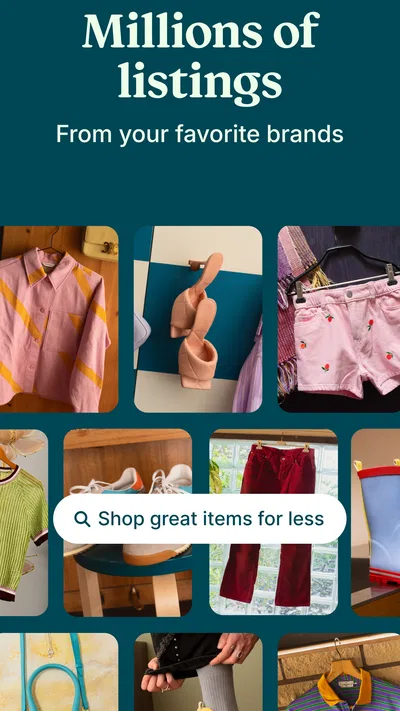
 Analysis byAppsAward
Our review of Vinted: Shop & sell pre-loved
I would recommend Vinted to a friend who wants to give clothes and other second-hand finds a new home, but I would set expectations first: it is a marketplace, not a curated shop. The experience depends on what individual members list, how clearly they describe it, and whether you are willing to browse and ask questions. That flexibility is the appeal, and also the main thing to keep in mind as a first-time user.
What to expect from this second-hand marketplace
Developed by Vinted, this free shopping app connects people buying and selling pre-loved items. It has an average rating of 4.5 from about 2.4 million ratings, and more than 100 million installs. Those figures suggest a large, active community, though the quality of any particular listing still comes down to its seller and the information they provide.
Rather than shopping from a conventional retailer’s fixed catalogue, you browse items posted by other members. That changes the rhythm: a particular garment may be available only once, and its condition, photos, and description matter more than polished product copy. I find this suits shoppers who enjoy hunting for a specific style or a less expensive alternative, and sellers who are happy to photograph items and answer practical questions.
Articles related to Vinted: Shop & sell pre-loved
The app is listed for teens, and it runs on Android 8.0 or later. Its current version is 26.41.1. It is free to download, which makes it easy to explore before deciding whether this style of shopping suits you. I would still treat every listing as an individual purchase decision rather than assuming that a familiar brand or attractive photo guarantees a good fit.
How it differs from ordinary online shopping
On a retailer’s site, stock is usually presented in consistent sizes, product shots, and descriptions. On Vinted, the seller’s listing is the product page. That means a quick glance may not answer the questions that matter: how an item sits, whether a flaw is visible, or whether the stated size matches the fit you want. The trade-off is worth it when you like the item enough to inspect the details and communicate.
Compared with broad classified marketplaces, Vinted is focused on second-hand shopping and selling rather than being a general place for unrelated goods and services. Compared with charity shops, it lets you browse from your phone and compare individual listings, but you do not get the chance to handle a garment before buying. If touching fabric, trying something on, or getting it immediately is important, an in-person shop is the better choice.
Set up with a clear idea of what you want
For a first session, I would avoid opening the app with the vague goal of “finding something nice.” Pick a practical target: a jacket in a particular style, a replacement for a worn-out item, or a piece you can wear to an upcoming event. A defined search makes it easier to judge whether a listing is genuinely useful rather than simply tempting.
As you browse, compare the whole listing, not just its first photo. Read the description, look for pictures that show the item from more than one angle, and note any signs of wear the seller mentions. If a detail could change your decision, ask about it before committing. A short, specific question is more useful than a general “Is it okay?” For example, ask whether a mark is visible in daylight or whether the item has any damage not shown in the photos.
It also helps to decide your limits before you fall in love with a listing. Think about what condition you will accept, how much effort you are willing to spend checking details, and whether a second-hand item needs to arrive by a certain time. I would not treat a low asking price as the only measure of value: an item that does not fit your needs is not a bargain, even if it looks appealing on screen.
Your first useful purchase: inspect, ask, then decide
A realistic first success might be finding a pre-owned coat for everyday use. I would shortlist a few listings, compare their photos and descriptions, and check whether each seller has answered the basic questions that matter to me. If one coat looks promising but the listing does not show the cuffs or lining, I would ask for clarification instead of guessing. That small pause is one of the most useful habits for avoiding disappointment.
Once you have enough information, make the decision based on the item’s condition and suitability, not on the pressure of browsing. If you are unsure about sizing, compare the seller’s description with clothing you already own and like; ask for measurements if the listing leaves a key point unclear. A label size alone can be a weak guide, especially when the fit or cut matters more than the number on the tag.
For a seller, a meaningful first result begins with a listing that answers questions before they are asked. Use clear photos, describe the condition plainly, and mention flaws rather than hoping a buyer will overlook them. A useful description is specific about what someone can see and feel: wear, marks, missing details, or anything that could affect how the item is used. Honest detail may make a listing less glamorous, but it helps the right buyer decide with confidence.
Where new users commonly get stuck
The biggest source of confusion is treating a member’s post like a professionally prepared retail listing. Photos can be uneven, descriptions can be brief, and two sellers may describe similar items very differently. I would not assume that an omitted detail means the item is in perfect condition. If it matters, ask. If the seller cannot give a clear answer, move on rather than filling the gap with an optimistic guess.
Another easy mistake is letting a good-looking listing rush the decision. Second-hand stock can feel scarce because a specific item is often a one-off, but urgency does not make a poor fit or unclear condition any better. Save your attention for listings that match your actual needs. When you are comparing options, keep a simple mental checklist: condition, fit, useful photos, and whether the seller has addressed your concerns.
There is also a difference between a low price and a low-risk purchase. A discounted item may still be wrong for you if it is damaged, difficult to size, or unsuitable for the occasion. I recommend checking the current purchase and delivery details shown in the app before deciding, since those practical terms affect the overall value of a particular transaction. Avoid making assumptions based on what you have experienced with a different marketplace.
Making a listing that gives buyers confidence
If you are using Vinted to clear out a wardrobe, start with items you can describe accurately and photograph well. Lay the item out neatly, show the details a buyer would inspect in person, and make wear easy to understand. A photo of a flaw is more helpful than a vague apology in the description. This is a non-obvious advantage of preparing carefully: good information can reduce back-and-forth and help a buyer decide whether the item suits them.
Be realistic about the time involved. Selling is not simply uploading a picture and forgetting about it; you may need to respond to questions and keep the listing information clear. I would choose a few items that are in usable condition rather than posting a large batch without checking them. That approach makes it easier to answer buyers and avoids creating expectations you cannot meet.
Who will enjoy it—and who may prefer another option
I think Vinted is a strong fit for patient bargain hunters, people who like extending the life of clothing, and sellers willing to put in a little work to present items honestly. It is particularly useful when you have a flexible idea of what you want and can compare several listings. The community scale gives browsing room, but it does not remove the need to check each item carefully.
I would skip it for a purchase that has to be exact, immediate, or effortless. If you need a guaranteed fit for an event tomorrow, want consistent product photography, or would rather return to a physical rack and try things on, a conventional retailer or local shop is likely less frustrating. It may also not suit people who dislike messaging sellers or making decisions from photos. Those are not minor preferences; they shape the whole experience.
After the first purchase or sale
Once you have completed one transaction, use what you learned to make the next one smoother. If a fit was different from what you expected, note what description or measurement would have helped. If you sold an item, notice which photos and details prompted useful questions, then improve future listings accordingly. This kind of feedback is more practical than browsing endlessly without refining what you look for.
My overall view is that Vinted makes second-hand shopping approachable, but it rewards thoughtful users more than impulsive ones. I would start with one clear need, inspect listings as carefully as I would inspect an item in person, and ask about any detail that could change my decision. For selling, I would prioritize accurate photos and candid descriptions over trying to make an item sound perfect. If that balance of discovery and personal checking sounds appealing, the app is well worth trying; if you want a polished, predictable retail experience, another option will suit you better.
Pros
- Built-in shipping labels simplify sending sold items.
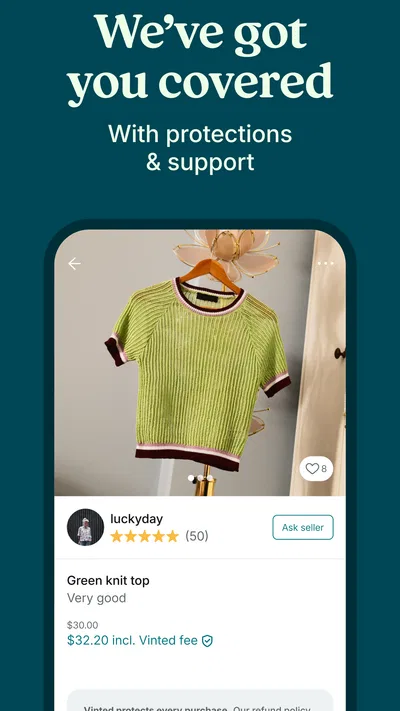
- Buyer protection adds reassurance when shopping from strangers.
- Saved searches help track specific brands or items.
- Bundle offers make it easier to buy several items from one seller.
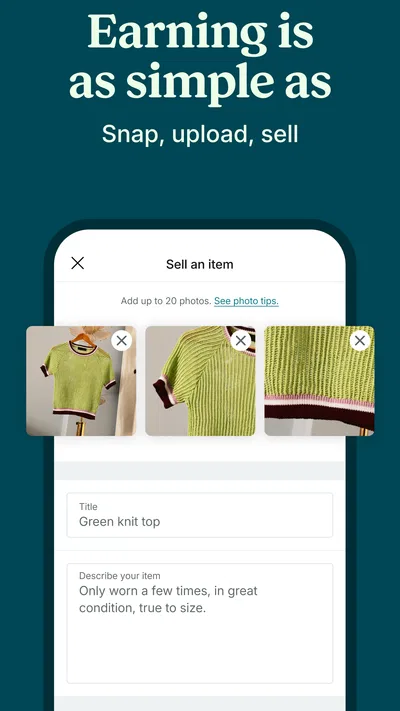
- Listing items is straightforward with photos and basic details.
Cons
- Some listings may have inaccurate sizing or condition details.
- Shipping fees can make inexpensive purchases less appealing.
- Selling requires time to photograph and describe each item.
- Disputes may take time to resolve through support.
- Availability of items varies by location.
Best Shopping App 2026
Our verdict
Join a community of millions of members buying and selling second-hand items.
Frequently Asked Questions
What is Vinted, and what can you do with it?
Vinted is a marketplace app for buying and selling pre-loved items, especially clothing, shoes, accessories, and other goods available in your region. You can browse listings, search by category or filters, message sellers, and list items you no longer need. The exact categories, payment options, and features can vary by country, so check the app’s local availability before relying on a particular service.
Is Vinted free to use, or are there fees?
Creating an account and listing items is generally free for individual sellers, but the total cost of a purchase may include a buyer protection or service fee and shipping charges. Fees and their names can differ depending on your location and the transaction. Review the checkout breakdown before paying, and check the current terms in the app because pricing and policies may change.
How do shipping and payments work on Vinted?
When an item sells, Vinted typically provides transaction instructions and, where supported, a shipping label or delivery options. Buyers pay through the app, and the seller’s earnings are released according to Vinted’s process after the order is completed. Available carriers, delivery methods, timelines, and payout options vary by country. Follow the in-app steps and keep communication and payment within Vinted for a clearer transaction record.
How can you stay safe when buying or selling on Vinted?
Check a seller’s profile, ratings, photos, description, and recent activity before buying, and ask questions through Vinted’s messaging tools if anything is unclear. Sellers should describe an item accurately and photograph any wear or defects. Keep payment and transaction arrangements on the platform, avoid sharing sensitive personal information, and use the app’s reporting or support options if a listing or message seems suspicious.
What should you do if an order is missing, damaged, or not as described?
Start by checking the order status and delivery information in the app. If an item arrives damaged or differs substantially from its listing, or if a parcel appears lost, use Vinted’s order issue or help process promptly and follow the instructions shown for your transaction. Deadlines and eligibility depend on the current policy and local rules, so do not confirm that everything is fine until you have checked the item.

Download Vinted: Shop & sell pre-loved
Similar apps
View all 8.9
Temu: Shop Like a Billionaire
Shopping
 9.4
Walmart: Shopping & Savings
Shopping
 9.5
Whatnot: Shop, Sell, Connect
Shopping
 9.2
Walgreens
Shopping
 9.6
DealSeek: Coupons & Discounts
Shopping