
- Award score
- 4.4Rating
- 1,000,000+installs
- Free
App information
Screenshots

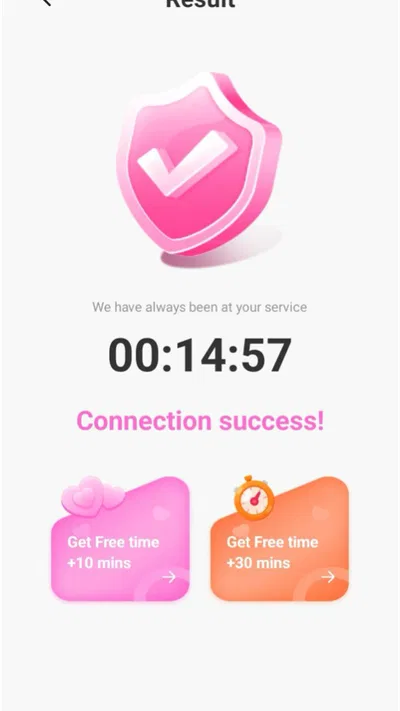
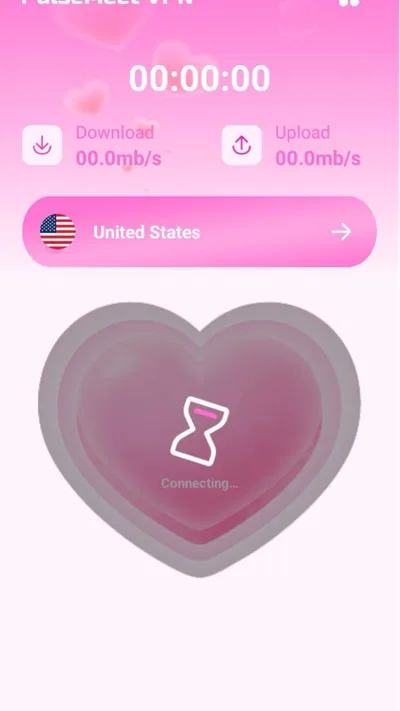
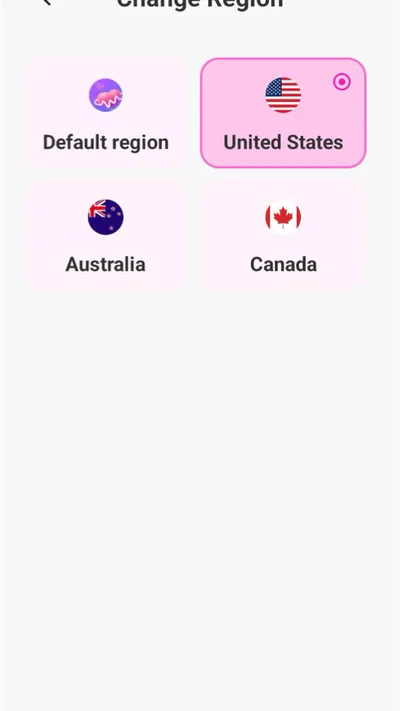


 Analysis byAppsAward
Our review of PulseMeet — Wherever You Are
I judge a connection-focused app by what it asks of me when I’m busy, moving, or dealing with a patchy signal—not just by how it sounds when everything works. PulseMeet is a free beauty-category app from Z&Atexit, with a brief pitch centered on connecting and then getting on with the day. That makes it an unusual fit for the category: its appeal seems less about browsing beauty content and more about whether staying connected can feel unobtrusive. My main takeaway is that it is worth considering if that promise matches your routine, but the short description alone does not tell you what kind of connection it provides or how it behaves in difficult conditions. I would keep those questions in mind before making it part of an important daily workflow.
What the connection-first idea means in practice
The available app identity is clear enough to set expectations: it is listed as PulseMeet, its short description is simply “PulseMeet,” and its category is beauty. The broader summary emphasizes opening the app, connecting, and carrying on with fewer interruptions. That is a restrained premise, not a detailed feature list. I would not assume that it is a video-call tool, a social network, a messaging service, or a beauty consultation platform without seeing those functions in the app itself.
That distinction matters because “connect” can mean very different things. It may describe joining a service, linking with other people, or establishing some other kind of connection. Before relying on it, I would check the first screen and onboarding language to understand what is being connected and what information the app asks me to provide. The most useful early test is simple: can I understand the purpose and reach the main action without having to guess? If not, the promise of fewer interruptions may feel at odds with the experience.
Its adoption figures suggest that it has reached a substantial audience: PulseMeet has over one million installs and an average rating of 4.4 from around 1,200 ratings. Those numbers can help a prospective user see that it is not obscure, but they do not explain whether the app works well on a particular phone, network, or use case. I treat them as context, not a substitute for checking whether its actual connection flow suits me.
Why network conditions are part of the experience
For an app whose central idea involves connecting, network quality is not a background detail. A stable connection may make the opening flow feel immediate, while a weak signal can turn even a small step into a delay. Since the app’s brief description focuses on resuming the day with fewer interruptions, I would pay attention to whether it clearly indicates when it is connecting, whether it leaves me unsure if an action has gone through, and whether it gives me a sensible way to try again.
My practical advice is to test it first in a low-stakes moment. Open it at home on a reliable connection, learn what the main action does, and then try again later while switching between Wi-Fi and mobile data. I would not do this during an appointment or when I need an immediate response. This small comparison can reveal whether the experience is consistently understandable or whether a change in network leaves you wondering what happened.
Using it between errands, appointments, and quiet moments
There is a useful everyday scenario for a connection-oriented app: you have a short break between errands, open it to complete the thing you came for, and close it before your next stop. In that situation, the best experience is not necessarily packed with options. It is one in which the purpose is clear, the connection step is easy to follow, and you can leave without feeling pulled into unnecessary activity. That is the standard I would use to judge whether PulseMeet genuinely fits a busy routine.
On the move, interruptions can come from more than signal strength. You may switch networks, receive a call, lock the screen, or need to put the phone away. I would test those ordinary transitions rather than only tapping through the app while sitting still. If an interrupted attempt is easy to recognize and restart, the app may be convenient for short sessions. If you need to reconstruct where you were or repeat unclear steps, it may suit a calm, deliberate setting better than a rushed one.
The app is rated for Everyone, which makes its age classification broad. That should not be mistaken for a promise that every connection or interaction is appropriate for every situation. I would still read the app’s on-screen prompts carefully, especially before sharing personal details or connecting with someone I do not know. For family use, I would first explore the experience together rather than assuming that a general audience rating answers practical questions about how people interact.
What I would check when a connection fails
A sensible connection workflow should make failure legible. If a screen appears to stall, I would first give it a moment rather than tapping repeatedly; repeated actions can make it harder to tell whether the first one completed. Then I would check whether the phone still has network access, return to the app only if the screen offers a clear way to do so, and avoid entering the same information again until I know the previous attempt did not succeed.
This is especially important when an app’s main action is not fully explained in its brief description. I would look for a clear status message, a retry option, or an obvious indication that the connection is active. If none of those is apparent, my confidence would drop—not necessarily because the service is unreliable, but because uncertainty is a real usability cost. For a casual check-in, that may be tolerable. For a time-sensitive conversation or task, I would keep a familiar alternative available.
Version 5.5.5 is the current release, and the minimum operating-system requirement is Android 7.0. Those details make compatibility worth checking before installation, particularly if you use an older device. The version number by itself does not tell me how the app handles a dropped connection, so I would judge recovery by what happens on my own phone rather than assuming that an update guarantees a particular behavior.
Keeping mobile-data use in perspective
If you are careful with a limited mobile-data allowance, the key question is what the app does while connecting and how often you leave it open. I would use it deliberately at first: open it when needed, complete the intended action, and close it instead of keeping it running while I move between places. That is a practical habit, not a claim about the app’s background behavior. It also helps you notice whether the experience seems to depend on repeated loading or long periods of active use.
When possible, I would explore the app over Wi-Fi before using it away from home. That gives you a chance to understand its screens and avoid spending mobile data while figuring out what each step means. If you are on a metered plan, watch your device’s own data-usage controls during normal use; they are more useful for checking your personal pattern than guessing from an app’s category or name. I would also avoid leaving any connection open longer than necessary if the task is finished.
Compared with more established alternatives, the right choice depends on what “connect” means to you. If you mainly need dependable communication, a messaging or calling app you already know may be the safer option, especially for urgent exchanges. If you are looking for beauty advice or inspiration, a dedicated beauty community or content app may fit more directly. PulseMeet makes most sense when its particular connection flow addresses a need you have and proves easy to use; the category label alone is not enough reason to choose it over a familiar tool.
Who may find it useful—and who should look elsewhere
I would consider trying it if you are curious about its connection-first approach, want a free app to explore, and can test it without depending on it for anything urgent. It may also suit someone who values a short, purposeful interaction over a large collection of features, provided the actual app experience supports that preference. The developer is Z&Atexit, and the app has a reported eight written reviews alongside its rating and install history, so I would read any available comments with care rather than treating a small set of detailed opinions as a complete picture.
I would hold off if you need guaranteed access in places with poor coverage, if your mobile-data allowance is tight and you cannot monitor use, or if you need a specific feature such as group calls, beauty tutorials, or appointment booking. Those needs should be matched to an app that clearly offers them. I would also skip it as a primary tool for an important task until I had personally tested how it responds to interruptions and reconnection.
PulseMeet was released on December 12, 2025, and is free to install. Free access lowers the barrier to trying it, but I would still review any prompts and choices inside the app as I go. My recommendation is modest: give it a low-stakes trial if its connection idea sounds relevant, and decide based on how clearly it behaves on your network and device. For a dependable fallback, keep the communication tool you already trust close by until PulseMeet has earned a place in your routine.
My connectivity verdict: this is a potentially convenient option for brief, intentional use, not one I would choose blindly for situations where a lost connection would matter. The most revealing test is not a perfect signal at home but an ordinary change of context—moving from Wi-Fi to mobile data, pausing the app, and returning to it. If the connection status and next step remain clear, it may deliver the low-friction experience you want. If they do not, a more familiar alternative is the sensible choice.
Pros
- Makes it easy to connect with people from different locations.
- The location-focused concept can help users find nearby connections.
- Useful for keeping conversations going while traveling.
- The app name and purpose are easy to understand.
- May suit users looking for a more location-aware social experience.
Cons
- The experience may be limited if few users are active nearby.
- Location-based features can raise privacy concerns.
- Finding compatible people may take time.
- Users may need to share location details for the app to work well.
- The app's value depends on an active user community.
Best Beauty App 2026
Our verdict
Open it, connect, and continue your day with fewer interruptions
Frequently Asked Questions
What is PulseMeet — Wherever You Are?
PulseMeet — Wherever You Are is presented as an app for connecting and communicating with people from different locations. Before downloading, check the app’s store listing for its current features, such as whether it supports profiles, messaging, calls, or location-based discovery. The name alone does not confirm which tools are available, so review the description and screenshots to make sure the app suits the way you want to meet or stay in touch.
Is PulseMeet — Wherever You Are free to download and use?
The app may be free to download, but that does not necessarily mean every feature is free. Some social and communication apps offer optional subscriptions, in-app purchases, or paid upgrades. Check the current Google Play or App Store listing for pricing, trial terms, and available purchases before signing up. If you begin a subscription, review its renewal and cancellation details in your app-store account to avoid unexpected charges.
What information or permissions might PulseMeet — Wherever You Are request?
Depending on the features it offers, PulseMeet may request access to information such as your camera, microphone, contacts, or location. Only grant permissions that are necessary for features you intend to use; location access, for example, may be optional in some apps. Read the privacy policy and the data-safety information on the relevant app-store listing to understand what information may be collected, how it is used, and whether you can control sharing.
Can I use PulseMeet — Wherever You Are to meet people safely?
Use the same care you would with any app that helps you interact with people you do not know. Avoid sharing passwords, financial details, or sensitive personal information, and be cautious about requests to move a conversation elsewhere or send money. Review the app’s blocking, reporting, and privacy controls if available. If you arrange an in-person meeting, choose a public place and let someone you trust know your plans.
Which devices support PulseMeet — Wherever You Are, and how do I check before downloading?
Compatibility can depend on your device, operating-system version, and the app’s current release. Open the app’s official Google Play or App Store page on the device you plan to use and check its compatibility information, age rating, developer details, and latest update date. Also confirm that you have enough storage and a reliable internet connection. These checks can help prevent installation problems and clarify whether the app is maintained.




