- Award score
- 4.6Rating
- 5,000,000+installs
- Free
App information
Screenshots

 Analysis byAppsAward
Our review of Ulta Beauty: Makeup & Skincare
I would use Ulta Beauty: Makeup & Skincare as a shopping companion when I want to explore beauty products without turning a quick errand into a long trip through store aisles. It brings Ulta’s beauty retail experience to a phone, with haircare and fragrance among the reasons to browse. In my view, its strongest role is helping shoppers narrow down what they want and keep product discovery in one place—not replacing every store visit or serving as a neutral guide to the entire beauty market.
What to expect when browsing
Shopping apps can feel sluggish when they make every move a fresh search, so I judge them by how naturally they let me go from an idea to a shortlist. With Ulta Beauty, I would approach browsing as a series of small decisions: start with the kind of product I need, compare possibilities, and save the final choice for when I am ready to shop. That is a more useful mindset than expecting an app to instantly identify the perfect shade or routine.
The app is free, and Ulta Inc. is its developer. It sits in the beauty shopping space, where the practical value depends on whether the retailer’s selection suits your preferences. Its average rating is 4.6 from around 221,000 ratings, while more than 5 million installs suggest it is a familiar option for many shoppers. Those figures offer context, but they cannot tell you whether the app will feel quick on your particular phone or whether you will like the products it carries.
For a useful first session, I would avoid browsing everything at once. Think about the actual job—replacing a shampoo, finding a fragrance gift, or checking makeup options—and use that as your filter. This reduces the chance of getting lost in an expansive catalog and makes it easier to decide whether the app is helping or merely giving you more things to consider.
Use a focused shortlist instead of endless scrolling
A small but valuable shopping habit is to compare a few candidates against the same need rather than opening one product after another without a plan. For haircare, that might mean deciding whether you are replacing a familiar product or trying a different type. For fragrance, it may mean choosing whether you are shopping for yourself or for someone whose preferences you know. These distinctions help keep browsing purposeful, even when you are looking at a broad range.
I would also treat product discovery and product selection as separate stages. Browsing can reveal possibilities, but it does not make a shade match or fragrance preference certain. If a choice depends on color, texture, scent, or how a product feels on your skin, an in-person check may still be the more dependable final step. The app is most useful when it helps you arrive at that check with a clearer shortlist.
One practical trade-off is retailer focus. If you already shop at Ulta or are looking for products available through it, keeping research and shopping together can be convenient. If you want a broad comparison across many retailers, a general shopping search or another retailer’s app may be a better starting point. Ulta’s app is not a substitute for comparing the wider market; its value is in making its own beauty selection easier to explore.
When a session gets demanding
Heavy use is less about a single tap and more about how long you keep changing direction: moving between product types, revisiting possibilities, and reconsidering a choice. In that situation, I would expect the experience to depend on both the app and the phone’s current condition. A device with little free storage or many tasks already running may feel less responsive than a phone with room to spare, so I would not blame every pause on the app itself.
For a longer shopping session, I would make a simple note of the decision I am trying to make before opening the app. “Find a replacement hair product” is easier to act on than “see what is new.” This is a small workflow change, but it limits aimless browsing and makes it easier to resume after an interruption. It also helps when shopping for someone else: keep their known preferences in mind rather than relying on a product’s appeal in a thumbnail or name.
A realistic use case is a quick lunch-break search for a fragrance gift. I would use the app to explore options and identify a few plausible choices, then decide whether I have enough information to buy. If I do not know what scents the recipient likes, I would treat the browsing as preparation rather than assume that an attractive listing makes a safe gift. That is where the app can save time without pretending to remove the uncertainty inherent in fragrance shopping.
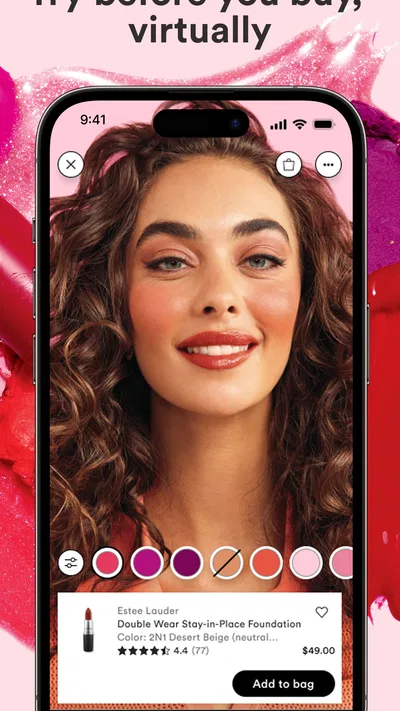
For makeup, a similar caution applies to color-sensitive choices. A phone display can make a product easier to inspect, but it is not the same as seeing a shade in person under ordinary lighting. I would use app browsing to reduce the number of candidates, then seek a direct comparison when an exact match matters. That workflow is more reliable than making a costly-feeling decision based only on how a color looks on a screen.
Reliability and getting back to a decision
I value a shopping app that lets me continue a decision without having to remember every item I considered. In practice, the most reliable approach is to keep the session simple: browse with a clear purpose, pause once you have a manageable set of options, and return to the app when you are ready to choose. If the app or phone momentarily feels slow, waiting briefly and reopening the relevant area is a sensible first response before repeating a search several times.
I would not use any retail app as my only record of a shopping plan. If I am comparing products for a specific need, I make a short note of what matters—such as the product type or the person I am buying for—so I can recover my train of thought if I get interrupted. This is especially helpful when a session is split across several brief moments rather than completed at once.
That advice is not a claim that the app is unstable; it is a practical way to shop on a phone, where calls, messages, and other tasks can interrupt any session. The app’s rating and broad adoption are reassuring signs that it has found an audience, but they do not guarantee identical performance on every device. I would judge reliability by whether it works comfortably for my own routine rather than assuming a popular app will behave perfectly in every circumstance.
Device fit and everyday limitations
The app is listed for devices running OS version 9 or later, and its content rating is Everyone. If your phone meets that system requirement, the remaining question is whether you have enough available space and a comfortable connection for shopping. I would keep the app updated, too: the current version is 10.17.1. That is a practical maintenance step, not a promise that every device will run it at the same speed.
Beauty catalogs can involve lots of product images and category changes, so older or heavily loaded phones may make extended browsing less pleasant. If your device is already struggling with ordinary apps, I would keep sessions brief and search for one need at a time. When you only want to check a single product, a mobile browser or an in-store visit may be more efficient than installing and exploring a dedicated app.
There is also a personal-fit limitation that has nothing to do with speed. Shoppers who prefer independent, cross-retailer comparisons may find a single retailer’s catalog too narrow. People who want to test a scent or see a makeup shade on their own skin should not expect phone browsing to provide the same confidence as trying it in person. In those cases, use the app to prepare, not to replace the experience that answers the question.
Who will get the most from it
I would recommend Ulta Beauty to someone who already shops with Ulta, wants a convenient way to browse beauty options, or likes doing product research in short bursts. It can also help a shopper who knows the general category they need but wants to compare a few possibilities before committing. The release date is Nov 8, 2012, so this is an established app rather than a brand-new experiment, though age alone does not decide whether it fits your habits.
I would be less enthusiastic if you rarely shop for beauty products, strongly prefer sampling everything in person, or want one app to compare every retailer. In those cases, a physical store or a broader shopping tool may suit you better. The same is true if your phone is short on storage and you only need an occasional lookup: the convenience of a dedicated app may not outweigh the extra space and setup for you.
When comparing it with the usual alternatives, the choice is straightforward. A store visit is better for tactile judgments such as shade and scent; a general search is better for comparing retailers; and a retailer-specific app is better when you want to browse that seller’s selection from your phone. I see Ulta Beauty as the third kind. It is useful when that is the job you need done, but it is not the best tool for every beauty-shopping question.
My performance verdict
My overall take is that Ulta Beauty: Makeup & Skincare makes the most sense as a focused shopping aid, not an all-purpose beauty adviser. I would use it to explore Ulta’s range, build a shortlist, and make better use of a store visit or a planned purchase. The free price lowers the barrier to trying it, while the large audience and strong average rating make it a reasonable app to consider if its retailer focus matches your needs.
For the smoothest experience, I would keep searches purposeful, avoid making screen-based judgments where scent or exact color is decisive, and give the phone some breathing room during longer browsing sessions. Those habits address the main trade-offs without assuming the app will perform identically for everyone. If you want a convenient route into Ulta’s beauty shopping, it is worth trying; if you need a retailer-neutral comparison or hands-on testing, choose a different starting point.
Pros
- The app offers a broad range of beauty products from one retailer.
- Product pages include ratings that help shoppers compare options.
- The barcode scanner can help identify products while shopping in store.
- Users can save favorites for easier access later.
- The app supports browsing by category and beauty need.
Cons
- Some products may be unavailable for shipping or local pickup.
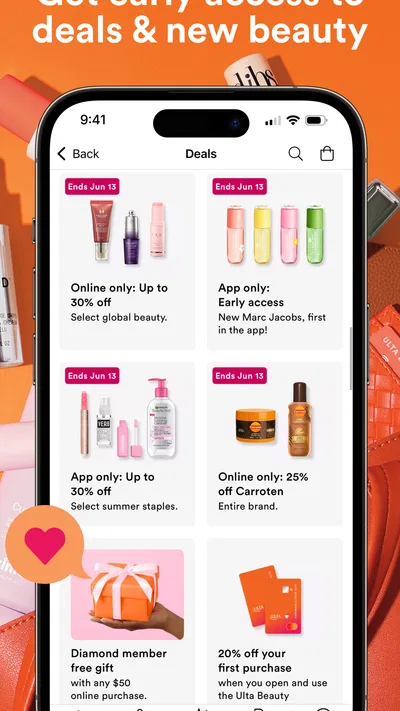
- Frequent promotional offers can make prices harder to compare.
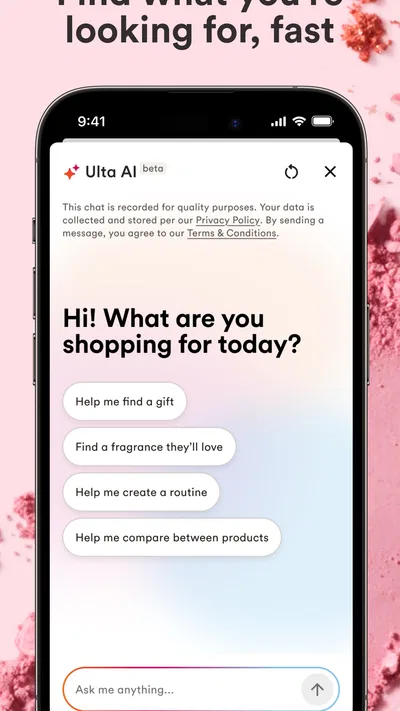
- Product recommendations may feel less useful without purchase history.
- The large catalog can take time to browse on a small screen.
- Some features may require location access to show nearby stores.
Best Beauty App 2026
Our verdict
Top brand haircare & fragrance
Frequently Asked Questions
What can you do with the Ulta Beauty: Makeup & Skincare app?
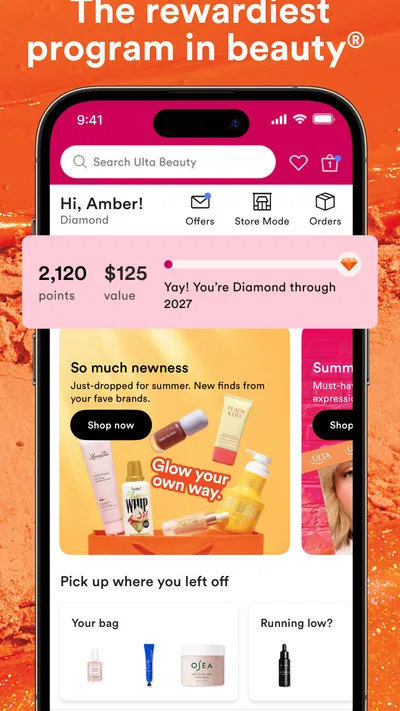
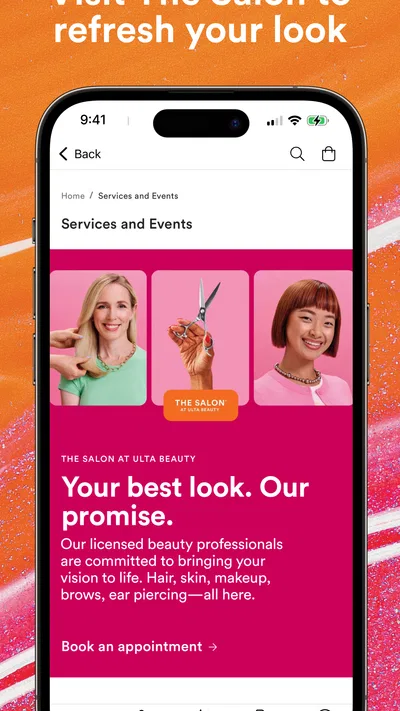
The app is designed for browsing and shopping for beauty products, including makeup, skincare, hair care, fragrance, and tools. You can explore product details, compare options, read customer reviews, and check offers. It also provides access to Ulta Beauty’s loyalty program and, where available, services such as appointment booking and store-related features. What you can use may vary by location and app version.
Can you earn and use Ulta Beauty rewards through the app?
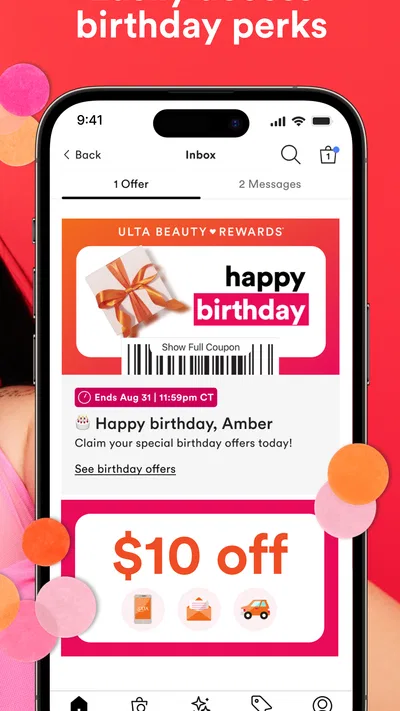
Yes, the app supports Ulta Beauty’s loyalty program, allowing eligible members to view their account information and rewards and to earn points on qualifying purchases. You can generally apply available points or offers during checkout, subject to program terms. Rewards, promotions, and account features may depend on your membership status, location, and current eligibility, so check the displayed terms before placing an order.
Can you shop online and pick up an order at an Ulta Beauty store?
The app may offer delivery and store pickup options for eligible products and locations. Availability, pickup timing, shipping charges, and fulfillment choices depend on your address, the items in your cart, and local store stock. Before completing a purchase, review the options and estimated timing shown at checkout. Store inventory can change, so an item displayed as available may not remain available when your order is processed.
Do you need an account to use the Ulta Beauty app?
You can typically browse products and view much of the shopping content without signing in, but an account is useful for managing orders, saving preferences, and accessing loyalty features. You may need to provide personal and payment information to complete a purchase or book certain services. Review the app’s privacy information and requested permissions, and share only the details needed for the features you choose to use.
Is the Ulta Beauty app free, and is it available on Android and iOS?
The app is generally free to download on supported Android and iOS devices, although purchases made through it cost money and delivery or service charges may apply. Availability can vary by country, device compatibility, and app-store region. Check the Google Play Store or Apple App Store listing for current system requirements, the latest version, and the applicable privacy and data-safety information before installing.