- Award score
- 4.6Rating
- 5,000,000+installs
- Free
App information
- Version
- 18.6.0
- Updated
- Requires
- 7.0
- Price
- Free, in-app purchases
- Developer
- Blub Blub Inc.
- Content rating
- Everyone
Screenshots
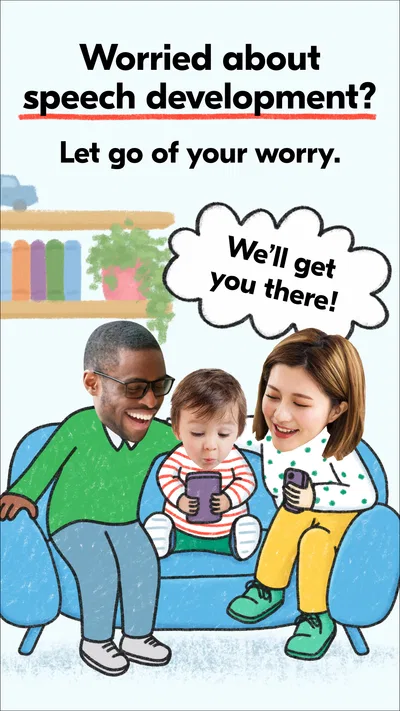
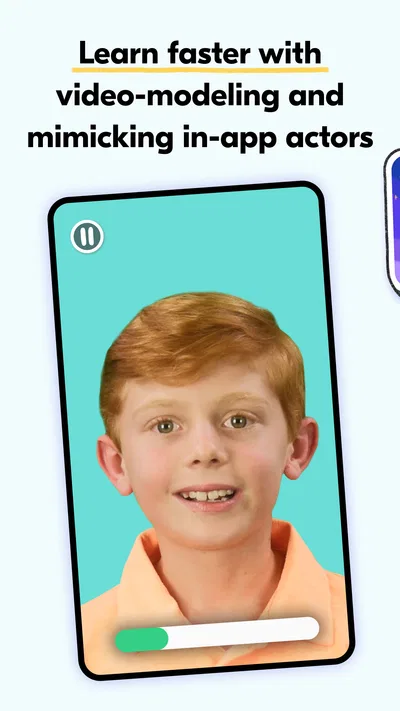
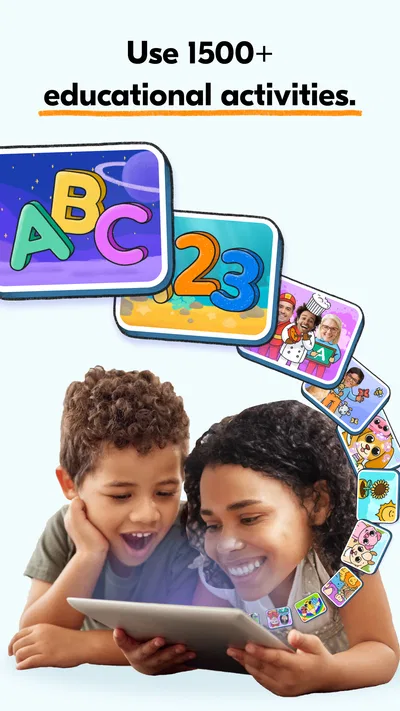
 Analysis byAppsAward
Our review of Speech Blubs: Language Therapy
I see Speech Blubs: Language Therapy as a useful way to bring speech practice into everyday family life, not as a substitute for an assessment or a therapist’s guidance. Its best idea is simple: give children a playful reason to watch, listen, and try sounds, then make short practice sessions easier to fit into a busy day. That can be a welcome change from asking a child to repeat words on demand. The important caveat is that an engaging activity is not automatically a suitable therapy plan for every child.
What makes the approach useful
Speech Blubs is a parenting app from Blub Blub Inc. Its focus is speech exercises presented in a child-friendly format, so the appeal is practical as much as educational: a parent can turn a few spare minutes into a shared activity rather than relying on a worksheet or a long sit-down lesson. I find that distinction valuable for families who struggle to make practice feel inviting.
The app has been available since November 3, 2017, and its current version is 18.6.0. It has a 4.6 average from around 31,000 ratings, with roughly 1,700 written reviews and more than 5 million installs. Those figures suggest that many families have tried it, though popularity alone cannot tell you whether its activities match your child’s particular speech needs.
In use, the strongest case for an app like this is repetition without making repetition feel like a test. Children can be more willing to imitate a sound when the activity feels like play and an adult joins in. A parent can model the sound, pause to give the child a turn, and praise the attempt rather than insisting on a perfect result. That approach is more supportive than correcting every slip, and it keeps the adult involved instead of treating the phone as the teacher.
A realistic example is the transition before dinner. If a child is restless while a meal is being prepared, a caregiver might sit nearby and do a brief activity together, then stop while the child is still interested. That is often more workable than promising a long session later and finding that everyone is tired. I would treat the app as a prompt for shared practice, not as something to leave running unattended while a child is expected to learn independently.
There is also a useful middle ground between doing nothing at home and trying to recreate a formal therapy session. A parent can use an activity to encourage attention to a sound, then carry that moment into ordinary conversation: repeat the word naturally during play or at the table, without turning every exchange into a drill. The real value is in helping a child encounter practice in a relaxed context. If the child becomes frustrated, stopping is better than pushing through just to finish an activity.
Where it fits beside other options
Compared with flashcards, picture books, or a parent inventing word games, a dedicated speech app offers a more structured starting point. Those low-tech alternatives can be excellent, especially when a child responds better to physical objects or face-to-face play. The app’s advantage is convenience: it can give a caregiver an activity to try when ideas are running low. Its disadvantage is the screen itself. A child who is easily distracted by devices may engage more with a toy, a story, or an adult’s conversation.
It also differs from working directly with a speech-language professional. An app can make home practice feel more approachable, but a professional can observe a child, tailor goals, and advise a family on what to practice and how to respond. I would use Speech Blubs as a companion to that support when appropriate, not as proof that a child’s speech is on track or as a reason to delay asking for help when a caregiver has concerns.
The limitations parents should weigh
The main trade-off is that a playful format can encourage participation without guaranteeing meaningful progress. Speech development varies, and the right practice depends on what a child finds difficult. A generic activity may be enjoyable yet still miss the skill a particular child needs. Parents should pay attention to how their child responds, and seek professional advice if they are uncertain about development or want a targeted plan.
Another point to consider is the business model. The app is free to download, but it includes in-app purchases priced from $9.99 to $99.99 per item. That is a wide range, so I would look carefully at what is included and the terms shown in the app store before committing to a purchase. A free download does not mean every part of the experience is free, and families should decide whether paid content is worthwhile for their routine rather than assuming they need it.
Because it is designed for children, an adult should also be the one who sets up and supervises use. That is good practice for any screen-based activity, particularly when a child is young or likely to tap through prompts. Keep sessions intentional, stay close enough to participate, and avoid treating screen time as a replacement for conversation. The app works best when the adult contributes the warmth and feedback that a device cannot provide.
It may not be the right choice for a child who dislikes imitation, becomes upset by structured prompts, or simply learns better through movement and hands-on play. In those cases, a parent-led game using familiar objects or a conversation with a speech professional may be a better starting point. Likewise, families looking for a diagnostic tool, individualized therapy, or a guaranteed outcome should not expect an app to provide those things.
Who is most likely to benefit
I would recommend trying Speech Blubs if you are a parent or caregiver who wants fresh ideas for short, shared speech-practice moments and your child enjoys learning from a screen. It can be especially handy when you want to make practice part of a routine rather than reserve it for a formal lesson. The app is rated for Everyone, but that age classification is not a claim that every activity will suit every child; an adult still needs to judge readiness and comfort.
Parents already working with a speech-language professional may find it most useful as a way to keep home practice engaging between appointments, provided the activities fit the guidance they have received. I would ask the professional how to adapt an activity if a child struggles, and whether it is appropriate for the child’s particular goals. That small check can prevent a well-intentioned app session from becoming a mismatched exercise.
If you are comparing it with free alternatives, try a simple test before spending money: see whether your child willingly joins a short session, whether you can participate comfortably, and whether the activity leads to a positive interaction afterward. If the answer is no, a book, pretend play, or everyday conversation may be a better fit. If the child enjoys it, keep the sessions brief and consistent rather than making completion or perfect pronunciation the measure of success.
The app’s scale is reassuring in one limited sense: it is an established option, with more than 5 million installs. Still, I would make the decision based on your child’s response and your family’s needs, not on download numbers. Its parenting focus makes the adult’s role central, and that is a strength when the app prompts real interaction—but a limitation if someone expects the phone to do the teaching on its own.
My recommendation
Speech Blubs is worth considering as a playful practice companion, with realistic expectations. I like the idea of making speech exercises easier to bring into ordinary family routines, and the free entry point gives parents a chance to explore before deciding whether any paid content makes sense. The clearest reasons to hesitate are the cost range for in-app purchases, the possibility that a child may not enjoy screen-based imitation, and the fact that an app cannot tailor support like a professional can.
My advice is to try it together, keep the first sessions relaxed, and judge it by whether it helps your child engage—not by whether it promises fast results. If your child enjoys the activities, it can add structure and variety to home practice. If they resist, or if you need guidance specific to a speech concern, choose a different activity or consult a qualified professional. That is the fairest way to use Speech Blubs: as one helpful tool in a broader, human-led approach to communication.
Pros
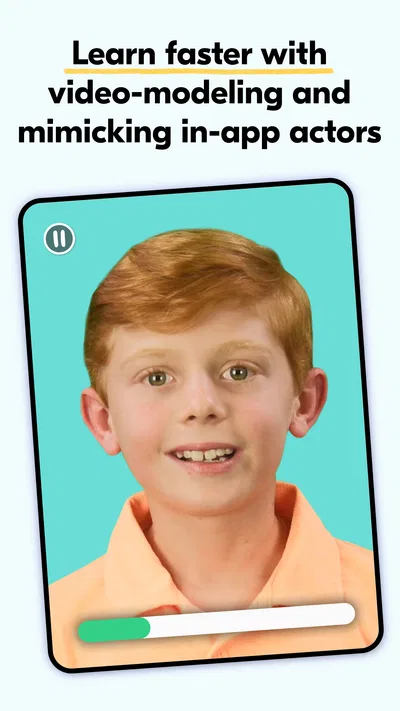
- Uses short videos to encourage children to imitate sounds and words.
- Offers activities focused on speech sounds and early language skills.
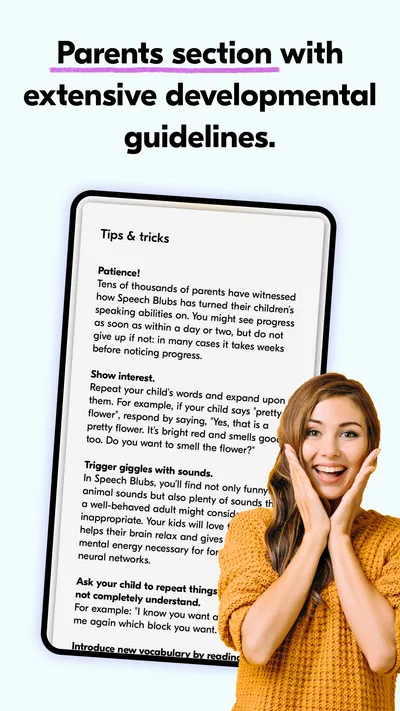
- Includes a progress tracker to help parents monitor practice.
- Provides themed activities that can make practice feel playful.
- Lets families practice speech skills at home between appointments.
Cons
- The subscription may be costly for families on a tight budget.
- Some activities may not match a child's specific therapy goals.
- Children need adult guidance to stay focused during practice.
- A stable internet connection may be needed for video content.
- The app cannot replace assessment or treatment from a speech therapist.
Best Parenting App 2026
Our verdict
Speech Therapy Exercises For All!
Frequently Asked Questions
What is Speech Blubs: Language Therapy, and who is it designed for?
Speech Blubs is a speech and language practice app for children, built around short activities, videos, and interactive games. It is intended to support early communication and speech practice at home, including for children working on particular sounds or language skills. The app is not a diagnostic tool, and children’s needs vary, so caregivers should consult a qualified speech-language professional when they have concerns about development.
Can Speech Blubs replace speech therapy or an assessment by a professional?
No. The app can offer structured practice and activities that families may use alongside guidance from a speech-language pathologist, but it cannot assess a child’s communication needs or provide individualized clinical care. A professional can recommend suitable goals, demonstrate techniques, and track progress in context. If a child’s speech or language development is causing concern, speak with a qualified clinician rather than relying on an app alone.
What does a child need to use Speech Blubs effectively?
A compatible Android or iOS device, a working camera, and an internet connection for downloading or streaming some content may be needed; exact requirements can vary by device and app version. Many activities involve watching examples and trying sounds, so a caregiver’s presence can help keep a young child engaged and ensure the practice is appropriate. Check the current store listing for device compatibility, permissions, and offline-use details.
Is Speech Blubs free, or does it require a subscription?
Speech Blubs may let families try some content before offering paid access, but the available activities and pricing can change by region, platform, or promotion. Review the in-app purchase details and subscription terms shown in the Google Play or Apple App Store listing before signing up. Pay attention to the trial length, renewal price, billing frequency, and cancellation steps, since deleting the app usually does not cancel a subscription.
How can parents protect a child’s privacy while using Speech Blubs?
Because the app is designed for children and may use the device camera for interactive activities, caregivers should review its privacy policy and the permissions requested during setup. Check how recordings, images, account details, and usage information are handled, and avoid entering information that is not necessary. Use the device’s parental controls and supervise sessions, particularly when the child is using a camera or interacting with online features.

Download Speech Blubs: Language Therapy
Similar apps
View all 9.7
FamilyAlbum - Photo Sharing
Parenting
 9.7
Pregnancy App & Baby Tracker
Parenting
 8.1
Findio: GPS phone tracker
Parenting
 8.6
AppClose: Co-Parent Essentials
Parenting