
- Award score
- 4.5Rating
- 100,000,000+installs
- Free
App information
Screenshots
 Analysis byAppsAward
Our review of Airbnb
I find Airbnb most useful when I treat it as a planning tool, not just a place to browse attractive rooms. It brings stays, local experiences, and services together in one travel app, which can make a trip easier to shape around how I actually want to spend my time. The trade-off is that a polished listing and a convenient booking flow still require careful checking: the details that matter most to a particular trip are not always the ones that first catch the eye.
From a broad search to a workable trip
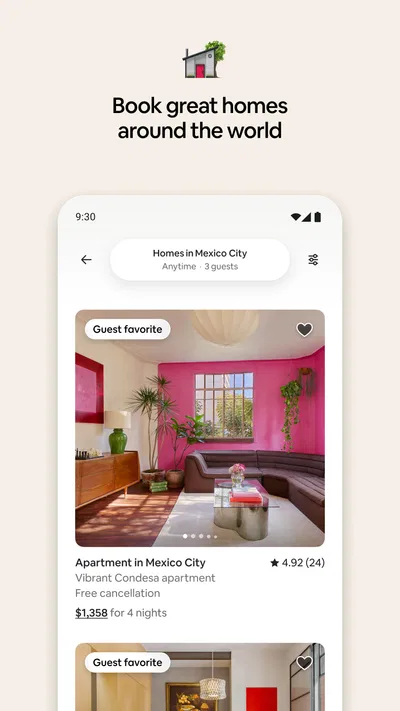
My baseline workflow is to begin with the practical constraints: destination, dates, number of guests, and the kind of stay that fits the trip. I then compare a small set of plausible options rather than scrolling indefinitely. A place that looks ideal in photos may be awkward for a late arrival, a family routine, or a short visit where location matters more than extra space. Airbnb is strongest when I use its breadth to find candidates, then slow down enough to check whether each one suits the actual plan.
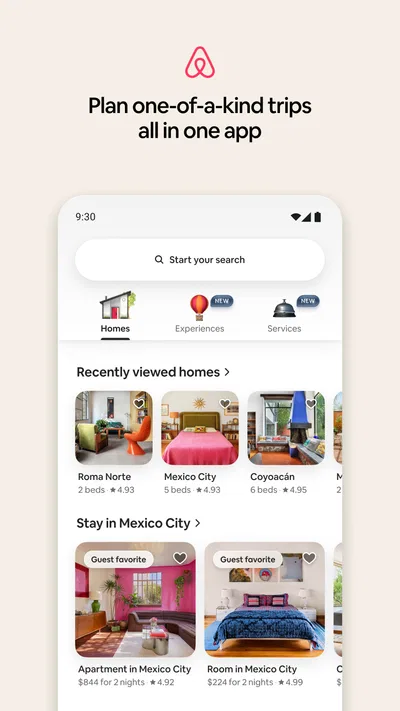
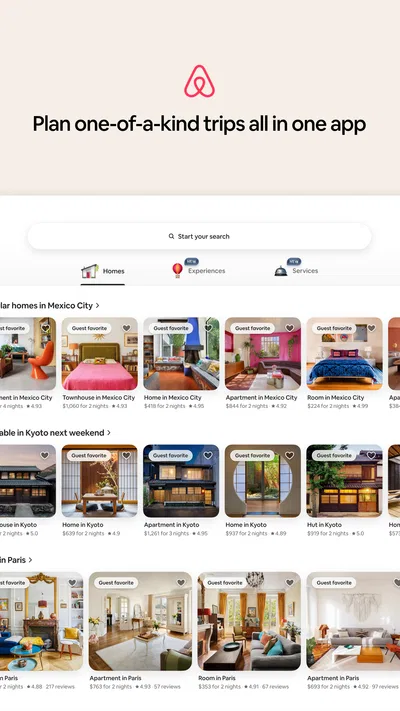
The app is a travel and local discovery app from Airbnb, and the booking experience now brings homes, experiences, and services into a redesigned interface. That combination is handy when I want to think beyond lodging: I can consider what to do nearby or whether a service could make the stay more convenient. I would still decide on the accommodation first if it determines the trip’s location and budget; activities are easier to adjust than a stay once the dates are fixed.
Articles related to Airbnb
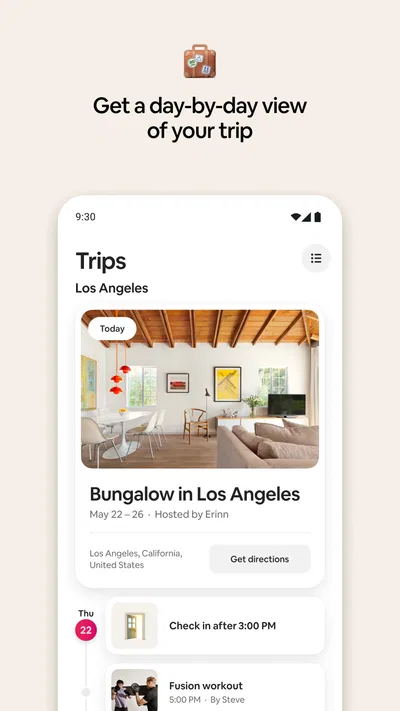
For a realistic everyday scenario, imagine arranging a weekend visit with a friend who arrives later than I do. I would shortlist homes based on location and sleeping arrangements, then read the listing carefully for arrival instructions and house expectations before committing. After booking, I would keep the reservation details and relevant messages easy to find rather than assuming I will remember them on travel day. That small habit matters more than browsing another dozen listings: it reduces last-minute confusion when plans are already busy.
The app’s value is not simply that it offers many options. It gives me a single place to compare different kinds of stays and, where useful, build more of the trip around them. But choice can create its own workload. I try to define what would make a listing unacceptable before I browse—such as an unsuitable sleeping setup or a location that complicates the schedule—so appealing photography does not quietly move the goalposts.
Read the listing for the trip you are taking
I pay attention to the practical description rather than treating photographs as a full account of the property. Before booking, I look for the details that could affect my routine: how the space is arranged, what the host expects, and whether the location fits the places I plan to visit. A home that works well for a long, relaxed stay may be less suitable for a quick city break, where transport and arrival logistics can dominate the experience.
One useful trade-off is to compare the total convenience of a place, not just its apparent charm. If a listing saves time getting to the reason for the trip, a smaller or less distinctive space may be the smarter choice. Conversely, for a longer stay, room to settle in may matter more than being close to every attraction. Airbnb supports this kind of comparison, but the judgment is still yours; I would not let a tidy interface substitute for reading carefully.
Check the choices that shape your booking
Experienced use begins with making the search reflect real needs. I set the trip details accurately, especially guest count and dates, and use the available search controls to narrow the field rather than relying on the first results. Then I revisit those choices if the shortlist feels wrong. A search that is too broad can bury suitable options; one that is too restrictive can exclude a workable stay before I have even considered its details.
I also make a deliberate pass through the listing and booking information before confirming anything. This is where I check the practical fit, not just the headline appeal. If I am traveling with someone else, I share the relevant details with them early enough to catch mismatched expectations—such as different assumptions about the sleeping arrangement or location. That simple review step is more reliable than trying to resolve a misunderstanding after plans are set.
Another setting worth treating as part of the decision is the trip itself: dates, party size, and the balance between location and accommodation style. Changing one of these can alter which options make sense, so I avoid comparing listings from searches with different assumptions. When I adjust the plan, I start the comparison again from the same baseline. It keeps the decision fair and prevents me from favoring a place merely because I first saw it under more convenient dates.
Airbnb is free to install, is rated for Everyone, and has a 4.5 average from around two million ratings. Those figures suggest broad familiarity, but they do not tell me whether a specific host, home, or trip will be a good fit. I use popularity as context, not as a substitute for reviewing the details of the booking in front of me.
Build faster habits without rushing the decision
The quickest reliable pattern I have found is to separate discovery from commitment. First, I gather a short list based on the trip’s non-negotiables. Next, I compare those candidates against the same questions: does the space fit the group, does the location work, and do the listing details match what I need? Only then do I move toward booking. This is faster than repeatedly opening attractive options without a consistent way to judge them.
For repeat travelers, keeping a simple personal checklist can make each search less tiring. Mine would include arrival timing, the amount of space I need, location priorities, and any routine that the stay must support. I do not assume a favorite type of accommodation will suit every journey. A solo stopover, a visit with relatives, and a longer break ask for different things, even if the destination is familiar.
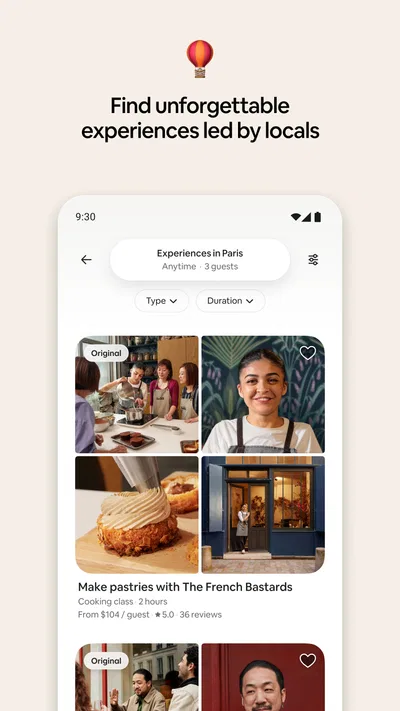
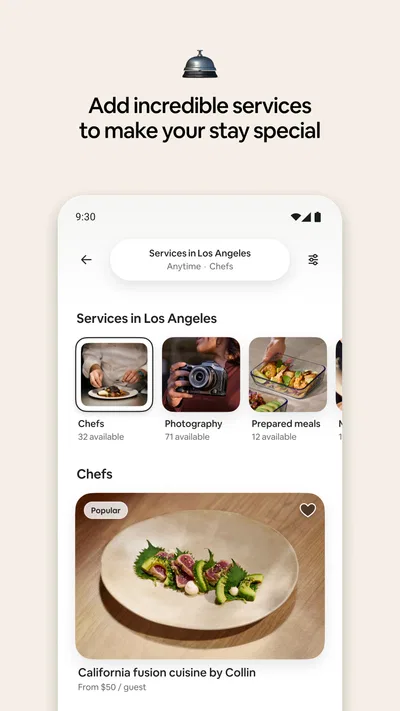
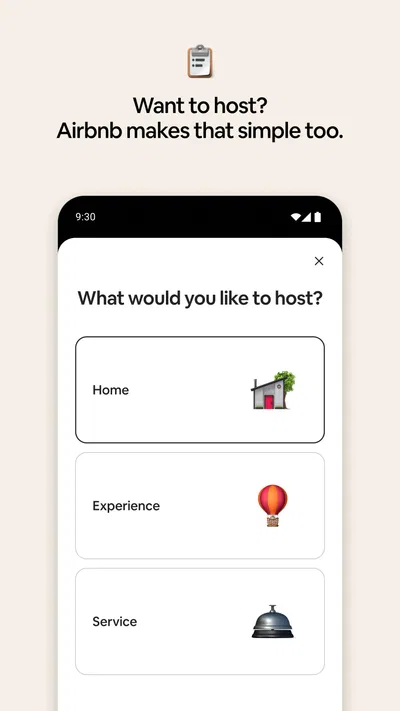
The app also makes it possible to consider experiences and services alongside homes. I find that most useful after the core stay is settled: it gives me a way to explore additions without letting them distract from the essential booking. If I am planning a tightly scheduled trip, I would keep the itinerary lean and avoid adding activities simply because they are available in the same app. Convenience should simplify a plan, not turn a short visit into a chain of obligations.
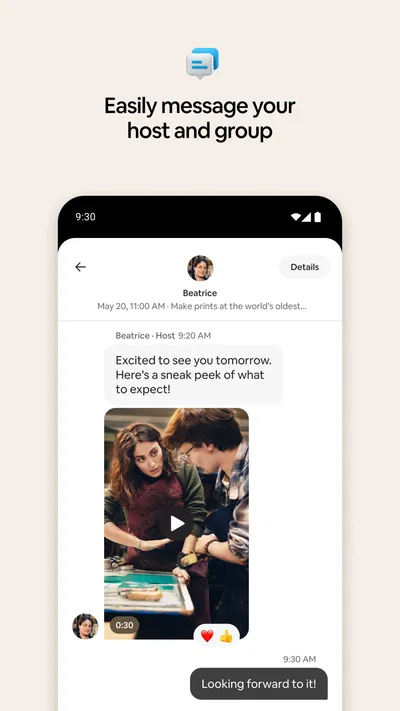
One small but important habit is to keep communication and booking information connected to the relevant trip. When travel plans change, I check the reservation details and the conversation around that booking rather than relying on memory or an old note. This is especially helpful when coordinating with another traveler. I would not expect an app to resolve every misunderstanding automatically; clear, timely communication remains part of using a home-rental platform well.
Where Airbnb’s strengths have limits
Compared with a conventional hotel-booking app, Airbnb is a better fit when I want a home-like space, a distinctive stay, or a way to browse experiences as part of trip planning. A hotel-focused service can be the more straightforward choice when I want standardized accommodation and a familiar, predictable setup. Neither approach wins in every situation. For a one-night stop with little time to investigate, I may prefer the simplicity of a conventional room; for a longer visit or a group needing more room, a home listing can be more appealing.
The main friction is the responsibility that comes with variety. Listings are individual offerings, so I need to read each one on its own terms instead of assuming that two places with similar photos will provide the same experience. House expectations, layout, location, and arrival arrangements deserve attention. If I do not want to spend time comparing those details, or if I need a highly uniform stay, a hotel may suit me better.
There is also a difference between browsing and certainty. A compelling listing can help me imagine a trip, but it cannot make the final choice for me. I weigh the written description and practical fit more heavily than presentation. If an important detail is unclear, I would resolve that question before booking rather than hoping it will be fine. That cautious approach can make the process feel slower, but it is a fair price for making a decision I understand.
The app has a substantial audience, with over one hundred million installs and around one hundred thousand reviews, and it remains free to use. I see that reach as a reason the service is easy to encounter, not a guarantee that every destination or travel style will suit it equally. The experience depends on the individual options available for a particular trip, and that is why patient comparison matters more than downloading the app alone.
On the technical side, the current version is 26.42 and it supports devices running Android 9 or later. I would check that compatibility before planning around the app on an older phone. Airbnb was released on January 17, 2012, and its long presence in travel does not remove the need to make a careful booking today. The useful question is whether its mix of homes, experiences, and services matches the way I want to organize this particular journey.
Who should make it part of the routine
I would recommend Airbnb to travelers who enjoy comparing accommodation styles, want more than a conventional hotel room, or like keeping stay planning and local ideas in one place. It can be especially useful for groups and longer trips, where space and the feel of a home may matter. It also works for people who are comfortable reading listings closely and making choices based on their own priorities rather than expecting every stay to follow one standard.
I would steer someone toward another option if they want the quickest possible booking with minimal review, need a standardized service, or do not want to assess property-specific expectations. Airbnb is not automatically the best answer just because a destination has listings. In a short, tightly timed trip, familiar accommodation may reduce decision effort; for a flexible visit, the broader selection can be worth the extra comparison.
My mastery verdict is practical: use Airbnb to widen the possibilities, then apply a repeatable checklist to narrow them. Keep the stay’s essential requirements separate from optional experiences, compare candidates under the same trip assumptions, and verify the details that affect your routine before booking. With that approach, the app’s range becomes useful rather than overwhelming. It is a strong travel companion for thoughtful planners, but the best results still come from a traveler who knows what matters and is willing to check.
Pros
- Search filters make it easier to find stays that fit your needs.
- Guest reviews offer useful insight into a property and its host.
- The app keeps booking details and messages in one place.
- Wish lists help you save and compare properties for later.
- You can contact hosts through the app before booking.
Cons
- Cleaning and service fees can make the final price much higher.
- Property quality may vary even among highly rated listings.
- Some bookings have strict cancellation policies.
- Host response times can delay answers to important questions.
- Availability and prices can change quickly during your search.
Best Travel & Local App 2026
Our verdict
Now you can book homes, experiences, and services—all in our redesigned app.
Frequently Asked Questions
What is Airbnb, and what can you do with the app?
Airbnb is a booking platform for finding short-term stays, vacation rentals, rooms, and certain experiences offered by hosts. In the app, you can search by destination and dates, compare listings, review amenities and house rules, message hosts, and manage reservations. Availability, features, and booking requirements vary by listing and location, so check the details before confirming.
How do you book a place on Airbnb, and is every reservation confirmed immediately?
Enter your destination, travel dates, and guest count to browse available listings, then review the price, cancellation terms, amenities, and house rules. Some listings offer instant booking, while others require the host to approve a request. A request is not the same as a confirmed reservation, so check the reservation status and wait for confirmation before making travel plans.
What fees and costs should you check before booking on Airbnb?
The total can include the nightly rate, cleaning or other host-set charges, Airbnb service fees, taxes, and any applicable extra-guest costs. The amounts vary by listing, trip, and location. Review the full price breakdown before submitting a booking request or paying, and check whether local rules or the host’s terms mention additional charges or requirements.
How do cancellations, refunds, and changes work on Airbnb?
Cancellation and refund terms depend on the listing’s policy, the booking type, and when you cancel. Check the policy shown during booking and in your reservation before confirming, because the amount refunded may change as the trip date approaches. For changes, use the app to contact the host or submit a trip-change request; approval and any price adjustment may vary.
Is Airbnb safe to use, and what should you check before downloading the app?
Airbnb provides tools such as host and guest profiles, reviews, in-app messaging, and reservation support, but these cannot guarantee that every stay will meet your expectations. Read recent reviews, verify the address and house rules, and keep booking and payment communications within Airbnb. Download the app from the official Apple App Store or Google Play Store, and review permissions and privacy information.

Download Airbnb
Similar apps
View all 9.6
Booking.com: Hotels & Travel
Travel & Local
 7.5
Google Earth
Travel & Local
 9.6
Expedia: Hotels, Flights, Cars
Travel & Local
 9.1
Upside: Gas & Food Cash Back
Travel & Local